
Introduction
In the fragrance industry, packaging is more than a container — it is a key part of brand identity. While brands often focus on bottles and caps, the perfume shoulder sleeve is an equally important component that influences aesthetics, functionality, and perceived product value.
Located at the neck-to-shoulder transition of a perfume bottle, the shoulder sleeve provides structural support, conceals assembly points, enhances grip, and creates a refined visual connection between glass and metal. As a result, it plays a critical role in shaping the first impression of a fragrance product.
This article explores how aluminum perfume shoulder sleeves support premium packaging design through material selection, dimensional accuracy, surface finishing, compliance requirements, and customization options. For fragrance brands, packaging engineers, and sourcing teams, understanding this component helps create products with stronger shelf appeal and reliable manufacturing performance.
What Is a Perfume Shoulder Sleeve and Why Does It Matter?
Anatomy and Function of the Shoulder Sleeve
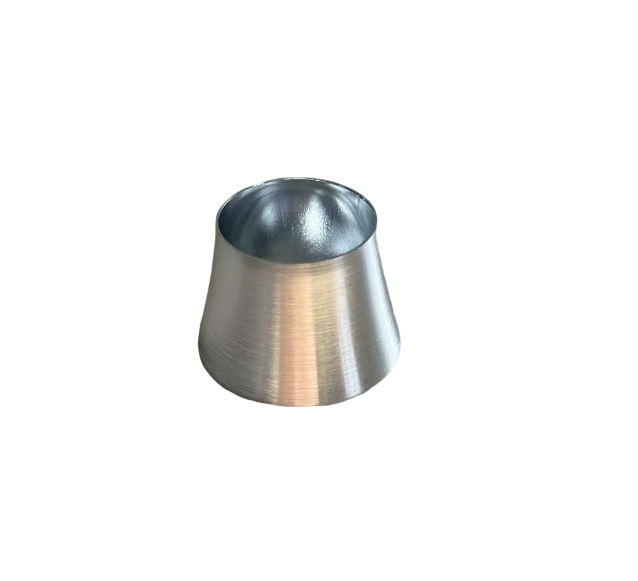
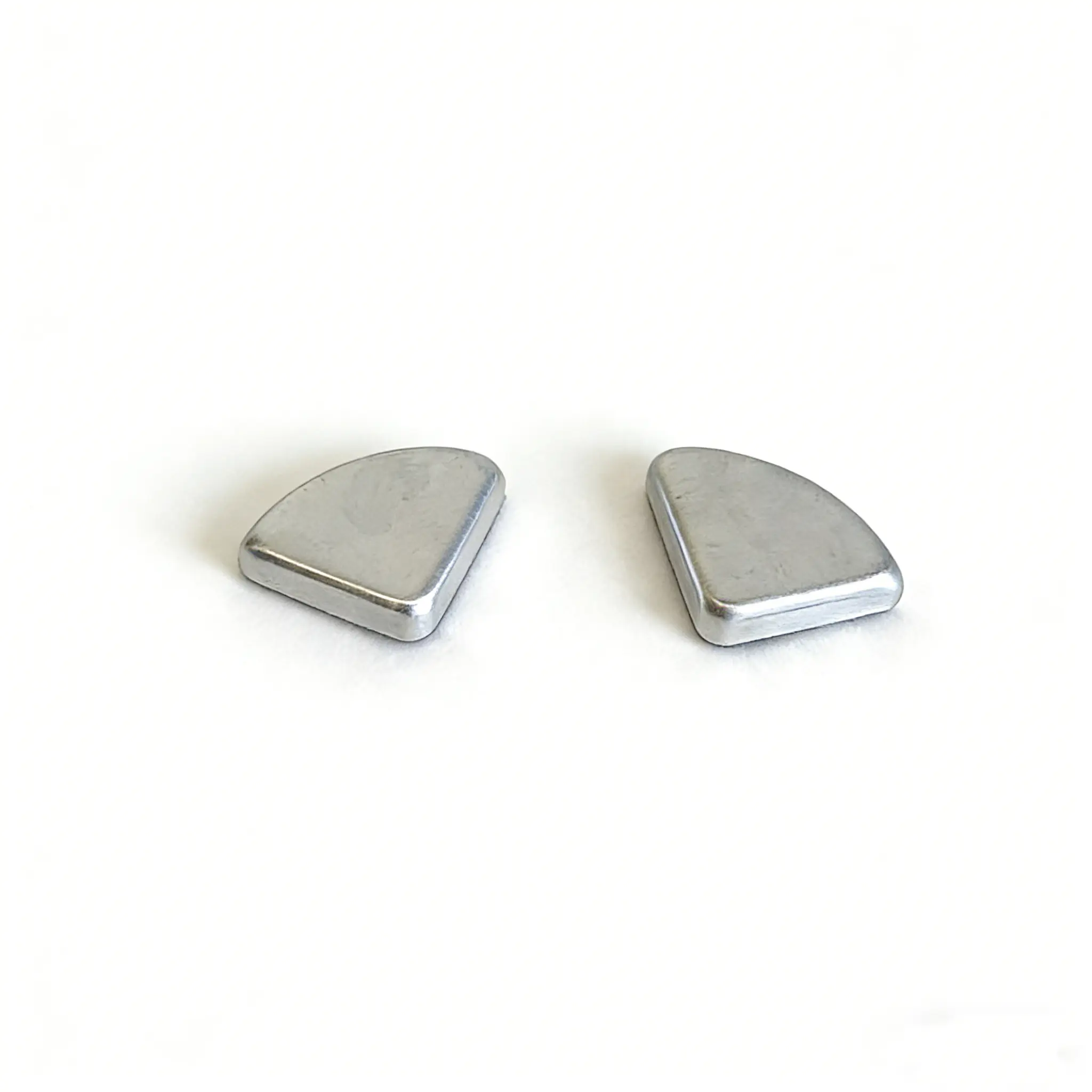
The Perfume Shoulder Sleeve occupies the neck-to-shoulder zone of a perfume bottle — the transitional region between the spray mechanism and the widest point of the vessel. Structurally, it serves three distinct functions: it reinforces the neck joint against torsional stress during pump actuation, conceals the mechanical interface between the cap collar and the glass body, and provides a tactile gripping surface that improves handling ergonomics for both end consumers and assembly-line operators.
From an aesthetic standpoint, the shoulder sleeve acts as a visual frame. It defines the bottle’s proportional geometry, creates a deliberate material contrast between glass and metal, and introduces a horizontal design element that draws the eye upward — toward the cap and brand mark. In premium perfume packaging, this visual hierarchy is not accidental; it is carefully engineered to enhance the overall appearance of the fragrance bottle.
Increasingly, brand specifications treat the shoulder sleeve as an important packaging component. In the prestige fragrance segment, a well-designed sleeve can improve perceived product quality and create a more refined presentation. Including a high-quality Perfume Shoulder Sleeve, by contrast, communicates attention to material selection and packaging details without requiring a complete reformulation or bottle redesign.
Aluminum vs. Alternative Materials — A Procurement Perspective
Three materials dominate the shoulder sleeve market: aluminum alloy, zinc alloy (zamak), and ABS plastic. Each material carries distinct trade-offs across weight, finish durability, tooling economics, production efficiency, and end-of-life recyclability.
Aluminum is the preferred specification for many mid-to-premium tier fragrance brands. It is lightweight (typically 3–8g per unit depending on wall thickness), supports anodizing and electroplating with reliable surface performance, and is fully recyclable — an increasingly important consideration for brands responding to sustainability requirements. Tooling costs are moderate, and aluminum surfaces can maintain their appearance under temperature and humidity variations commonly found in retail environments.
Zinc alloy offers superior detail resolution for complex decorative geometries but adds significant weight and generally requires higher tooling investment. It is often selected for ultra-luxury and customized applications where intricate designs and unique visual effects are prioritized over weight reduction.
ABS plastic is the lowest-cost option and is suitable for mass-market or promotional fragrance lines. However, compared with metal solutions such as aluminum, it provides a different tactile experience and may have lower surface durability in high-humidity retail conditions. For brands seeking a premium metallic appearance and long-term packaging consistency, aluminum shoulder sleeves remain a widely considered option.
| Material | Surface Finish Options | Weight (g) | MOQ (units) | Tooling Lead Time | Recyclability | Est. Price Range (USD/unit) |
|---|---|---|---|---|---|---|
| Aluminum Alloy | Anodizing, electroplating, UV coat, laser engraving | 3–8 | 500–1,000 | 3–5 weeks | High | $0.35–$1.20 |
| Zinc Alloy (Zamak) | Electroplating, powder coat, polishing | 12–25 | 500–2,000 | 5–8 weeks | Moderate | $0.80–$2.50 |
| ABS Plastic | Spray paint, UV coat, hot stamping | 2–5 | 1,000–5,000 | 2–4 weeks | Low | $0.08–$0.35 |
Technical Specifications and Customization Capabilities
Standard Dimensions, Tolerances, and Fit Compatibility
Industry-standard neck diameters for perfume bottles range from 13mm to 24mm, with 15mm and 18mm being the most common specifications for 50ml and 100ml bottle formats. Perfume Shoulder Sleeve designs are typically developed according to these bottle neck dimensions, with inner diameter tolerances generally controlled within ±0.05mm to ensure slip-fit or press-fit assembly without adhesive dependency — a critical requirement for automated filling and assembly lines operating at high throughput.
Wall thickness for aluminum Perfume Shoulder Sleeve components generally falls between 0.8mm and 1.5mm. Thinner walls help reduce material cost and overall weight but require precise alloy selection and tighter manufacturing control to prevent deformation during assembly. Thicker walls improve structural rigidity and tactile density, creating a quality perception that consumers often associate with premium fragrance packaging.
Compatibility with both glass and acrylic bottle bodies is standard, provided the sleeve’s inner surface geometry matches the bottle shoulder profile. Procurement teams sourcing aluminum Perfume Shoulder Sleeve products independently from bottles should request dimensional drawings in DXF or STEP format and verify fit accuracy against bottle mold specifications before committing to production tooling.
Surface Treatment and Branding Options
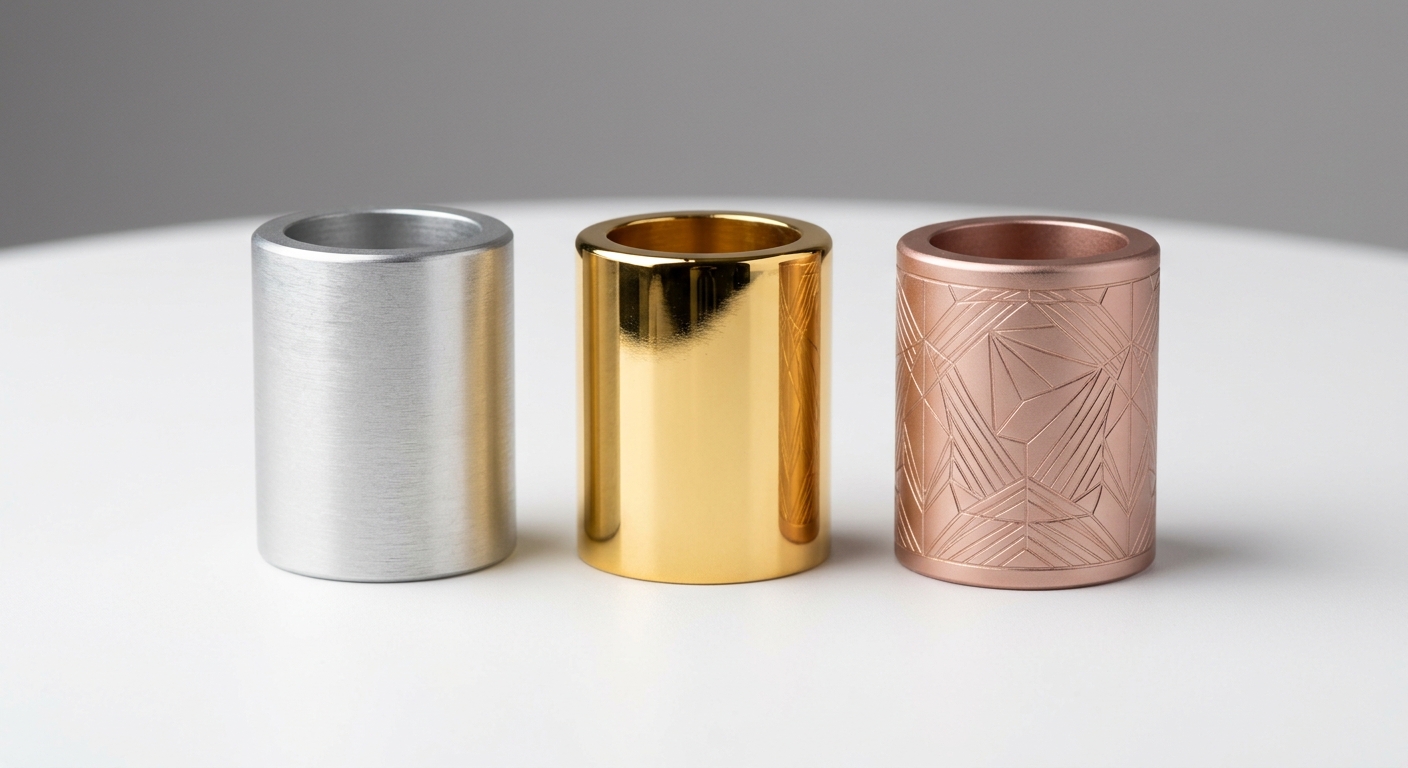
Surface treatment is where the shoulder sleeve transitions from a functional structural component into a brand communication element. For custom Perfume Shoulder Sleeve production, the four primary finishing processes serve different brand positioning objectives:
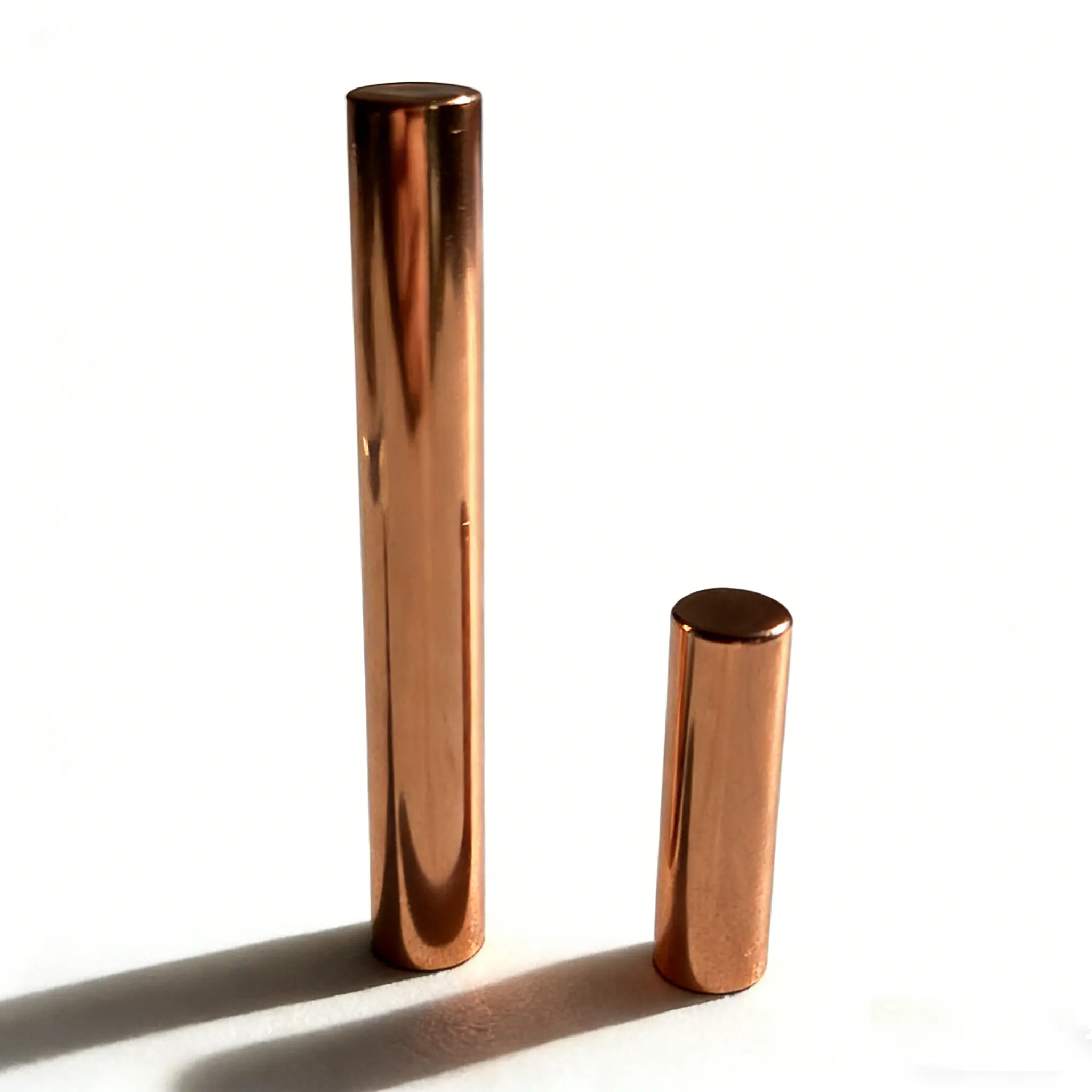
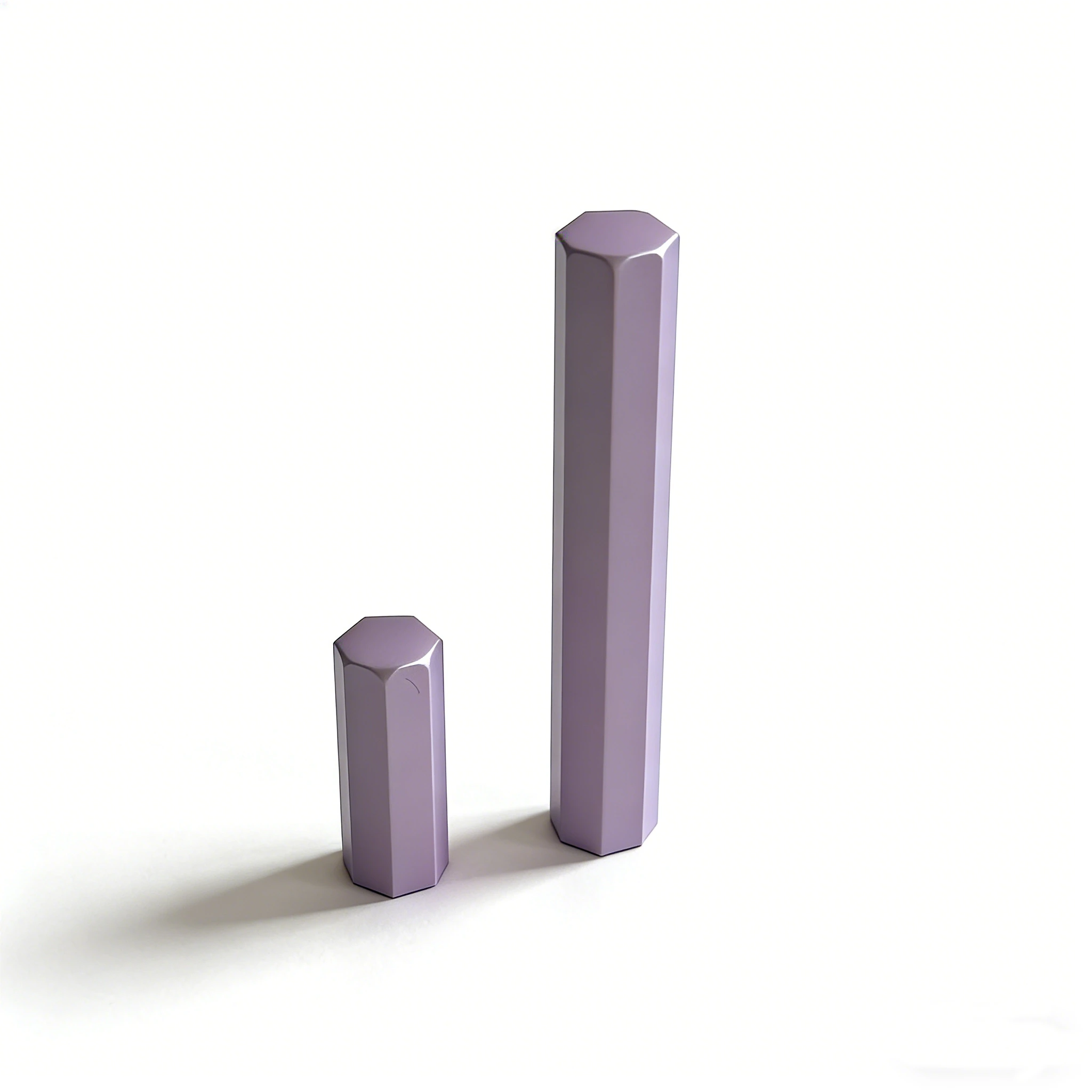
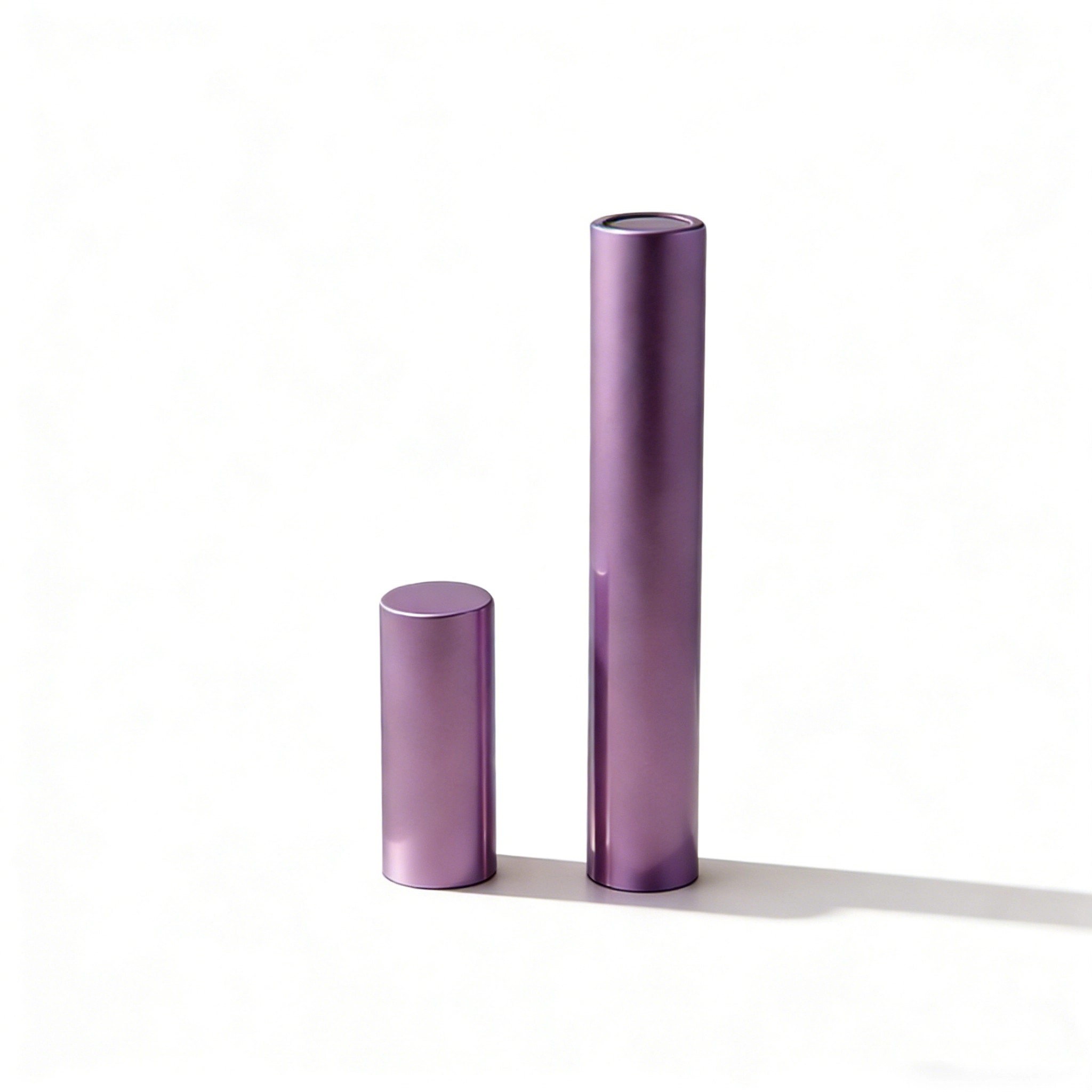
Anodizing: Creates a durable oxide layer directly on the aluminum surface. Available in a wide range of colors, it provides excellent corrosion resistance while maintaining the natural metallic appearance of aluminum. It is ideal for minimalist and contemporary fragrance brands.
- Electroplating: Deposits a thin layer of chrome, gold, rose gold, or nickel onto the surface. It delivers a high-gloss, mirror-like finish and requires REACH-compliant plating chemistry to meet many international market requirements. It is commonly selected for prestige and luxury fragrance packaging.
- UV Coating: Applies a clear or tinted protective layer over printed or painted surfaces. It is a cost-effective solution for multi-color graphics and decorative effects, with durability suitable for standard retail environments.
- Laser Engraving: Removes surface material to create permanent, tactile brand marks, including logos, patterns, and serial identifiers. It requires no additional consumables and is suitable for boutique and niche fragrance projects with flexible MOQ requirements.
MOQ thresholds vary by process. Anodizing and laser engraving are generally accessible for 500-unit production runs, while electroplating often requires 1,000+ units to effectively distribute setup and processing costs.
Compliance, Quality Standards, and Supply Chain Considerations
Regulatory and Safety Compliance for Fragrance Packaging Components
Aluminum Perfume Shoulder Sleeve products entering EU markets must comply with REACH Regulation (EC) No. 1907/2006, particularly regarding substances of very high concern (SVHC) that may exist in alloy compositions or surface treatment chemicals. For electroplated finishes, hexavalent chromium (Cr VI) is restricted in many regulated markets, and trivalent chromium (Cr III) processes should be clearly specified in supplier documentation.
For the US market, California Proposition 65 is an important compliance reference for evaluating heavy metal content in decorative finishes. Nickel release limits are especially relevant for components with potential skin contact. Procurement teams should request material safety data sheets (MSDS) and third-party testing reports — typically from SGS, Intertek, or Bureau Veritas — as part of the supplier qualification process.
Vendor Qualification Criteria for Custom Sourcing
A reliable supplier evaluation process for custom aluminum perfume shoulder sleeves should include the following checkpoints:
- Factory audit: ISO 9001 certification should be considered a baseline requirement. Assess whether CNC machining, stamping, and surface treatment processes are completed internally or managed through subcontractors.
- Sampling protocol: Request pre-production samples (PP samples) for dimensional verification, assembly testing, and finish approval before final tooling confirmation.
- Defect rate benchmarks: Apply AQL 2.5 for critical defects, including dimensional non-conformance and finish adhesion issues, and AQL 4.0 for minor cosmetic defects.
- Lead time expectations: Standard stock SKUs typically require 2–4 weeks, while custom-tooled Perfume Shoulder Sleeve projects generally require 6–10 weeks from drawing approval to first shipment.
- Supply chain transparency: Request subcontractor disclosure for plating, anodizing, and other outsourced processes to ensure consistent quality control throughout production.
Commercial Value and Application Scenarios
How Shoulder Sleeves Drive Perceived Value and Retail Performance
Retail shelf performance in the fragrance category is strongly influenced by the first few seconds of visual contact. During this initial interaction, consumers evaluate material quality, weight impression, and finish consistency before reading brand messaging or assessing the fragrance itself. A well-designed Perfume Shoulder Sleeve contributes directly to these important packaging signals.
Tactile response is equally significant. A weighted, smooth-finished aluminum sleeve communicates durability, precision, and craftsmanship — qualities that consumers often associate with premium product positioning and higher perceived value. Research in the premium beauty segment indicates that packaging material quality can significantly influence consumers’ willingness to pay, independent of fragrance evaluation.
For procurement teams, this creates a clear commercial consideration: a properly specified shoulder sleeve with a typical cost of $0.50–$1.20 per unit can support stronger retail positioning and enhance the perceived value of prestige fragrance products. Compared with many other decorative packaging components, the investment in a high-quality sleeve can deliver measurable brand differentiation.
Application Fit — Niche Perfumers, Private Label, and Mass-Market Brands
Shoulder sleeve customization can effectively support different fragrance brand categories, although specification priorities vary depending on market positioning. A customized Perfume Shoulder Sleeve allows brands to balance visual identity, production requirements, and budget considerations across different application scenarios.
- Niche and boutique perfumers: Laser-engraved aluminum sleeves with anodized matte finishes support artisanal brand narratives and unique product identities. Low MOQs (500–1,000 units) make customized designs and limited-edition releases more commercially feasible.
- Private label programs: Stock sleeve SKUs with custom color anodizing provide faster turnaround times and reduced tooling investment, making them suitable for retailers developing house fragrance collections under compressed production schedules.
- Mass-market and promotional brands: High-volume electroplated sleeves with standardized dimensions help optimize production efficiency and cost control across multiple SKU families. Finish durability and consistent appearance across different retail environments remain the primary specification considerations.
FAQ
Q1: What is the typical MOQ for custom aluminum perfume shoulder sleeves, and how does tooling cost factor into small-batch orders?
The typical MOQ for custom aluminum Perfume Shoulder Sleeve products is 500–1,000 units, depending on design complexity. Tooling costs usually range from $300–$3,000. Some suppliers offer tooling amortization plans to reduce upfront costs for small-batch fragrance projects.
Q2: How do I ensure dimensional compatibility between a shoulder sleeve and my existing perfume bottle molds?
Request the bottle neck-to-shoulder drawings in DXF or STEP format and share them with your sleeve supplier before tooling approval. A prototype fit test is recommended to verify compatibility before mass production.
Q3: What surface finishes are best suited for high-humidity retail environments without compromising plating integrity?
Anodized aluminum finishes generally provide better humidity resistance because the protective oxide layer is integrated into the material surface. For electroplated finishes, specify proper plating thickness and request corrosion test reports before approval.
Q4: What materials are commonly used for perfume shoulder sleeves?
Aluminum alloy, zinc alloy, and ABS plastic are the most common materials. Aluminum is widely selected for premium fragrance packaging because of its lightweight structure, recyclable properties, and versatile surface finishing options.
Q5: Can perfume shoulder sleeves be customized with brand logos or decorative patterns?
Yes. Custom Perfume Shoulder Sleeve designs can include laser engraving, embossing, anodized colors, electroplating, and other surface treatments to create unique brand identities and enhance packaging differentiation.
Q6: How long does production take for custom aluminum perfume shoulder sleeves?
Production lead time usually ranges from 6–10 weeks after drawing confirmation and tooling approval. The timeline depends on design complexity, surface treatment requirements, order quantity, and supplier production capacity.
Conclusion
A well-specified aluminum Perfume Shoulder Sleeve is more than a decorative element. It is a precision-engineered packaging component that influences brand perception, manufacturing consistency, and buyer confidence across the fragrance market.
By evaluating material selection, dimensional accuracy, surface treatment, compliance, and supplier capabilities, procurement teams can achieve better product differentiation, retail performance, and supply chain reliability.
Although the shoulder sleeve represents a small part of total packaging investment, its impact on perceived quality and brand value is significant. Choose the right aluminum perfume shoulder sleeve solution to enhance your packaging performance. Contact Jaehawk to discuss your customization requirements.