
Abstract
Aluminum lip balm containers generally preserve fragrance better than plastic alternatives because aluminum provides superior protection against oxygen, moisture, and light exposure. For cosmetic brands and packaging buyers, material selection directly affects fragrance retention, formula stability, and product shelf life.
This article compares plastic and aluminum lip balm containers by analyzing barrier properties, sealing performance, chemical compatibility, and practical applications, helping procurement teams choose the right packaging solution based on formula needs and product positioning.
Understanding the Core Difference — Material Barrier Properties
How Aluminum Provides Superior Barrier Protection
One of the key advantages of an aluminum lip balm container is its excellent barrier performance. Unlike polymer-based materials, aluminum provides extremely low permeability to oxygen, moisture, and other external factors that may affect product stability. This makes it highly effective for protecting fragrance-sensitive lip balm formulas during storage and transportation.
At the molecular level, aluminum does not contain the polymer structures that enable volatile organic compounds (VOCs) to migrate gradually through plastic materials. Fragrance ingredients such as menthol, citrus extracts, and essential oils are sensitive to environmental exposure, and aluminum packaging helps preserve their original sensory characteristics for longer.
In addition, aluminum provides complete protection against light exposure due to its opaque structure. UV radiation can accelerate the degradation of certain fragrance compounds, leading to reduced aroma intensity and changes in product quality. By blocking light transmission, aluminum lip balm containers help minimize this risk without requiring additional UV-protection additives in the formula.
Plastic’s Permeability Limitations and Fragrance Loss Pathways
Common plastics used for lip balm packaging, including HDPE (High-Density Polyethylene) and PP (Polypropylene), offer good durability and cost advantages but have higher permeability compared with aluminum. Over extended storage periods, oxygen, moisture, and volatile fragrance compounds may gradually pass through the polymer structure, potentially affecting fragrance stability and formula performance.
Fragrance loss in plastic containers typically occurs through several pathways:
- Sorption: Fragrance molecules may be absorbed into the polymer structure, reducing the concentration remaining in the formula.
- Permeation: Volatile compounds can slowly migrate through the plastic wall and escape into the surrounding environment.
- Oxidation: Oxygen penetration may accelerate the degradation of sensitive fragrance ingredients, affecting aroma quality.
Clear or translucent plastic containers may also allow UV exposure, which can further accelerate the breakdown of fragrance components such as essential oils and botanical extracts.
| Parameter | Aluminum Container | Plastic Container (PP/HDPE) |
|---|---|---|
| Gas Permeability | Zero (absolute barrier) | Low but measurable (100–150 cc/m²/day) |
| Moisture Permeability (MVTR) | Zero | 0.5–2.0 g/m²/day |
| UV Light Resistance | 100% opaque | Translucent to transparent; requires additive |
| Fragrance Retention Period | 24–36 months (formula-dependent) | 12–18 months typical |
| Chemical Compatibility | Excellent (with anodized/lacquered lining) | Good; risk of VOC sorption into polymer |
| Recyclability | Infinitely recyclable (closed-loop) | Recyclable (downcycling risk; rPET exception) |
| Typical Wall Thickness | 0.2–0.4 mm | 0.8–1.5 mm |
Sealing Performance & Structural Integrity in Lip Balm Packaging
Cap and Closure Mechanisms — Threaded vs. Press-Fit Sealing
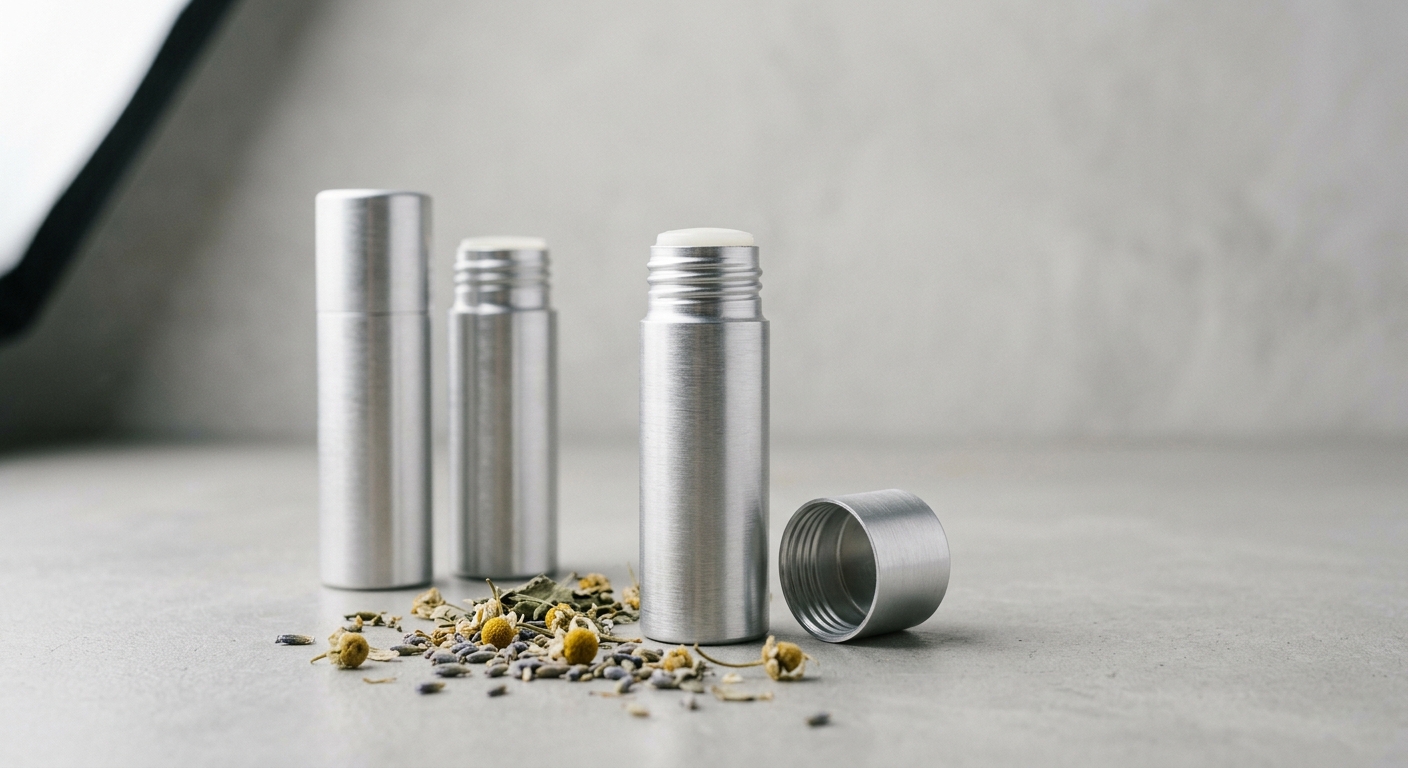
The barrier performance of an aluminum lip balm container depends not only on the material itself but also on the quality of its closure system. Threaded aluminum caps provide reliable sealing performance because aluminum offers excellent dimensional stability, allowing for precise thread control and consistent cap engagement.
A well-designed threaded closure helps reduce air exchange inside the container and limits the escape of volatile fragrance compounds during repeated opening and closing. This is especially important for lip balm formulas containing menthol, essential oils, or other fragrance-sensitive ingredients, where maintaining a consistent sensory experience is a key product requirement.
Plastic packaging often uses press-fit or snap-fit closures, which can provide cost and manufacturing advantages for high-volume production. However, variations in molding accuracy, material flexibility, and repeated use may gradually affect sealing performance. For premium or fragrance-focused lip balm products, aluminum threaded systems offer a more stable closure solution with better long-term sealing consistency.
Long-Term Seal Performance Under Temperature and Transit Stress
Lip balm packaging may experience various temperature changes throughout manufacturing, transportation, and retail distribution. From warehouse storage to international shipping and hot climate markets, repeated thermal changes can influence the dimensional stability of packaging materials and affect closure performance.
Plastic materials, especially PP, generally have higher thermal expansion rates than aluminum. Over time, repeated expansion and contraction may affect the fit between caps and containers, particularly in press-fit structures. This can potentially increase air exchange and impact fragrance stability during long-term storage.
Due to its lower thermal expansion and strong dimensional stability, aluminum lip balm containers can maintain more consistent closure performance across changing temperature conditions. This makes aluminum a preferred choice for brands requiring reliable fragrance protection during global transportation and extended shelf storage.
Regulatory Compliance, Formula Compatibility & Brand Positioning
Compliance Standards for Cosmetic Packaging Materials
Selecting the right packaging material for lip balm requires careful consideration of product safety, regulatory compliance, and formula compatibility. For aluminum lip balm containers, commonly referenced requirements include:
- ISO 22715: Provides guidance on cosmetic packaging and labeling requirements, with a focus on product safety and compatibility.
- EU Cosmetics Regulation (EC) No 1223/2009: Requires packaging materials to maintain product safety and prevent harmful interactions with cosmetic formulas. Aluminum containers typically use suitable internal coatings or treatments to ensure compatibility with lip-based products.
- FDA-related requirements: Products sold in the US market must use packaging materials that comply with applicable safety requirements for cosmetic product contact.
For plastic containers, key considerations include material compatibility, potential substance migration, and long-term interaction between polymers and oil-based formulas. Choosing packaging with appropriate material testing and compliance documentation helps ensure product stability throughout its shelf life.
Matching Container Material to Formula Type and Brand Positioning
Packaging selection should be aligned with the formula characteristics and target market. Natural and premium lip balm formulas containing beeswax, botanical oils, and essential oil blends often require packaging with strong barrier protection to help maintain fragrance, texture, and overall product quality.
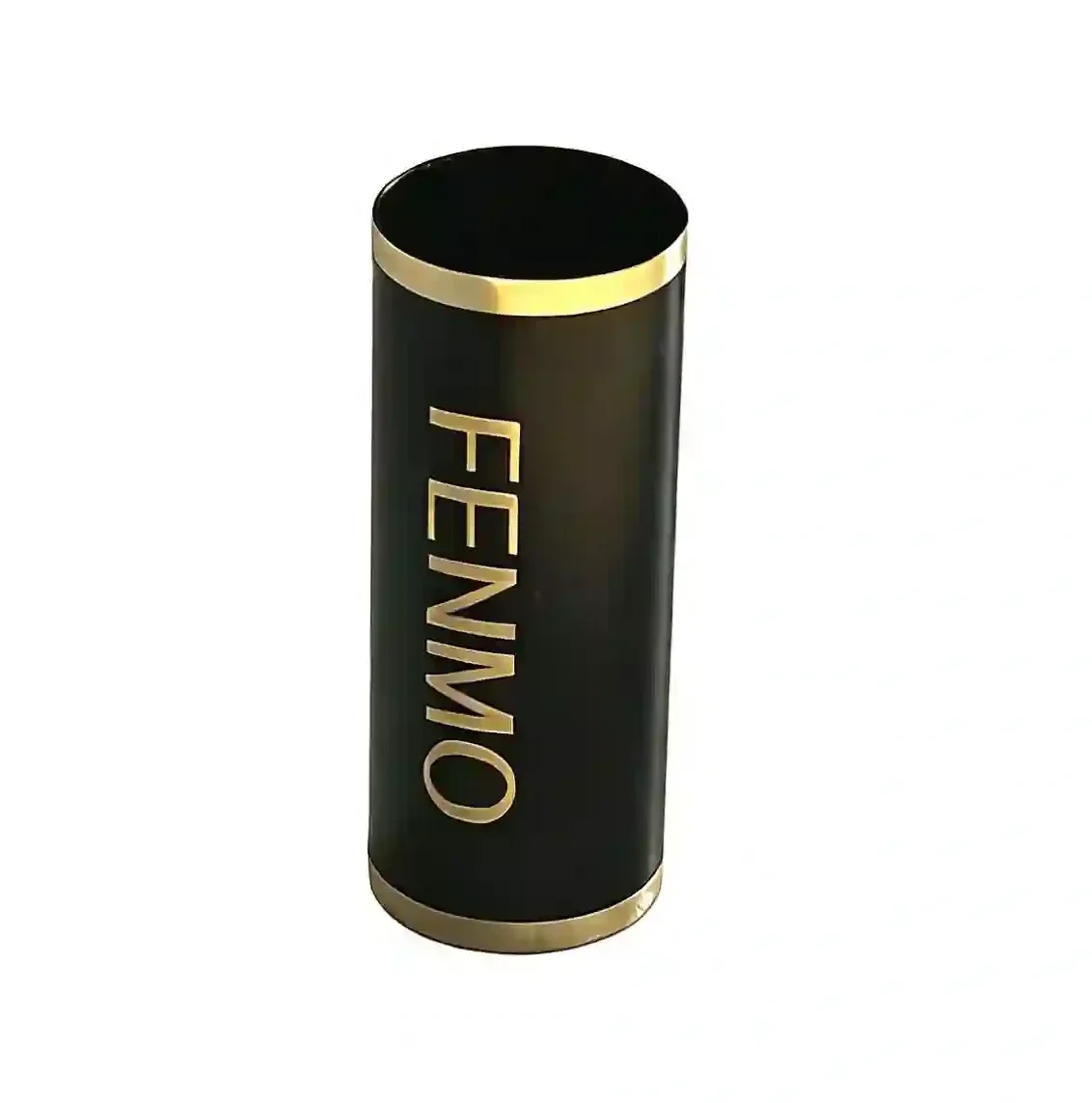
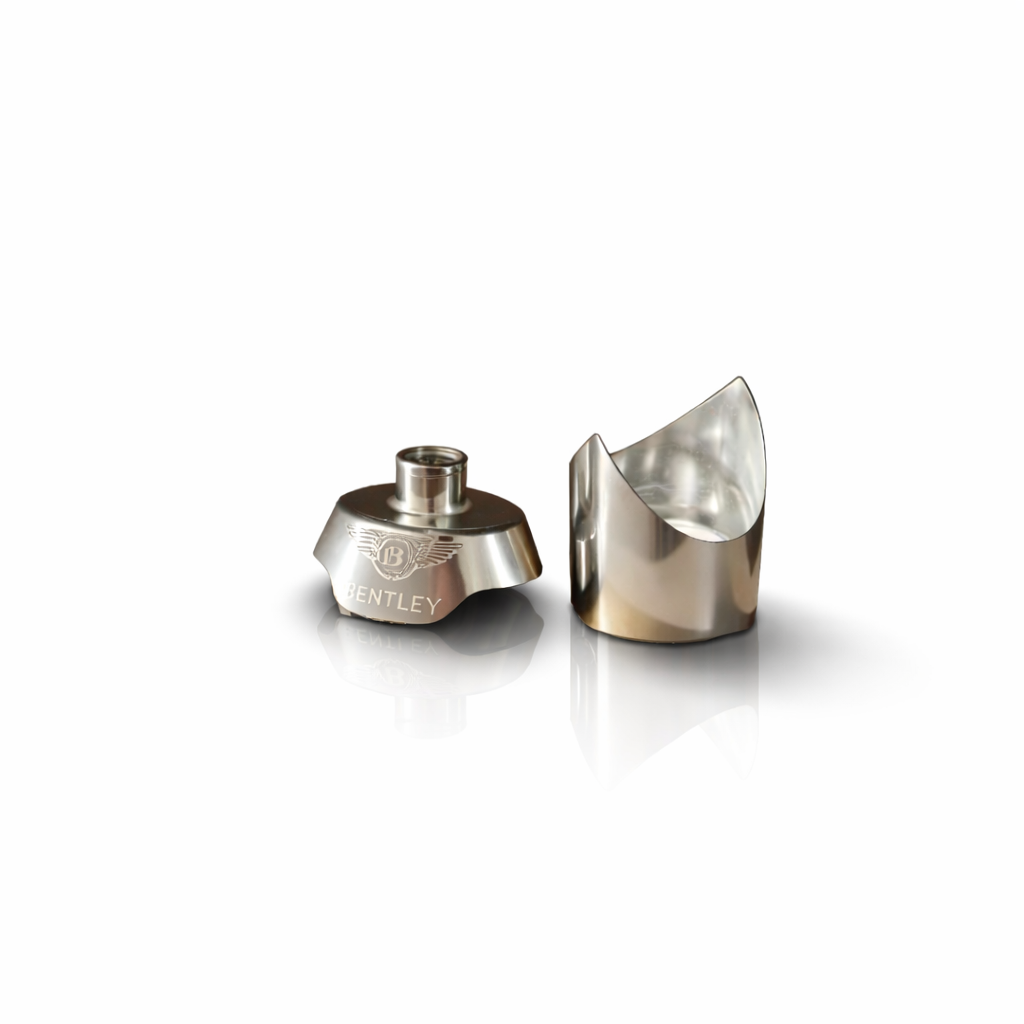
From a branding perspective, aluminum lip balm containers offer a premium appearance and tactile experience that supports luxury, organic, and specialty product positioning. The metallic finish, durability, and customizable surface options make aluminum packaging an attractive choice for brands selling through specialty retail, travel retail, and direct-to-consumer channels.
For private label and growing brands, the cost difference between aluminum and plastic packaging should be evaluated alongside factors such as product positioning, shelf-life requirements, customization options, and long-term brand value. At larger production volumes, aluminum packaging can become a competitive solution when performance and premium presentation are key priorities.
Aluminum vs Plastic Lip Balm Container: Which One Should Brands Choose?
| Factor | Aluminum | Plastic |
|---|---|---|
| Fragrance Protection | ★★★★★ | ★★★ |
| Cost Efficiency | ★★★ | ★★★★★ |
| Premium Appearance | ★★★★★ | ★★★ |
| Customization | ★★★★★ | ★★★★ |
| Large-scale Production | ★★★★ | ★★★★★ |
| Sustainability | ★★★★★ | ★★★ |
Application Scenarios & Sourcing Decision Framework
When to Choose Aluminum — Use Cases and Market Segments
Aluminum lip balm containers are particularly suitable for brands that prioritize fragrance protection, premium presentation, and long-term product stability, including:
- Luxury and specialty brands where packaging plays an important role in brand positioning and customer perception.
- Fragrance-focused lip balm products containing essential oils, botanical extracts, menthol, or other sensitive aromatic ingredients that require stronger barrier protection.
- Travel retail and export markets where products may experience longer transportation cycles and changing storage conditions.
- Natural and organic product lines that require packaging solutions aligned with clean-label positioning and formula compatibility requirements.
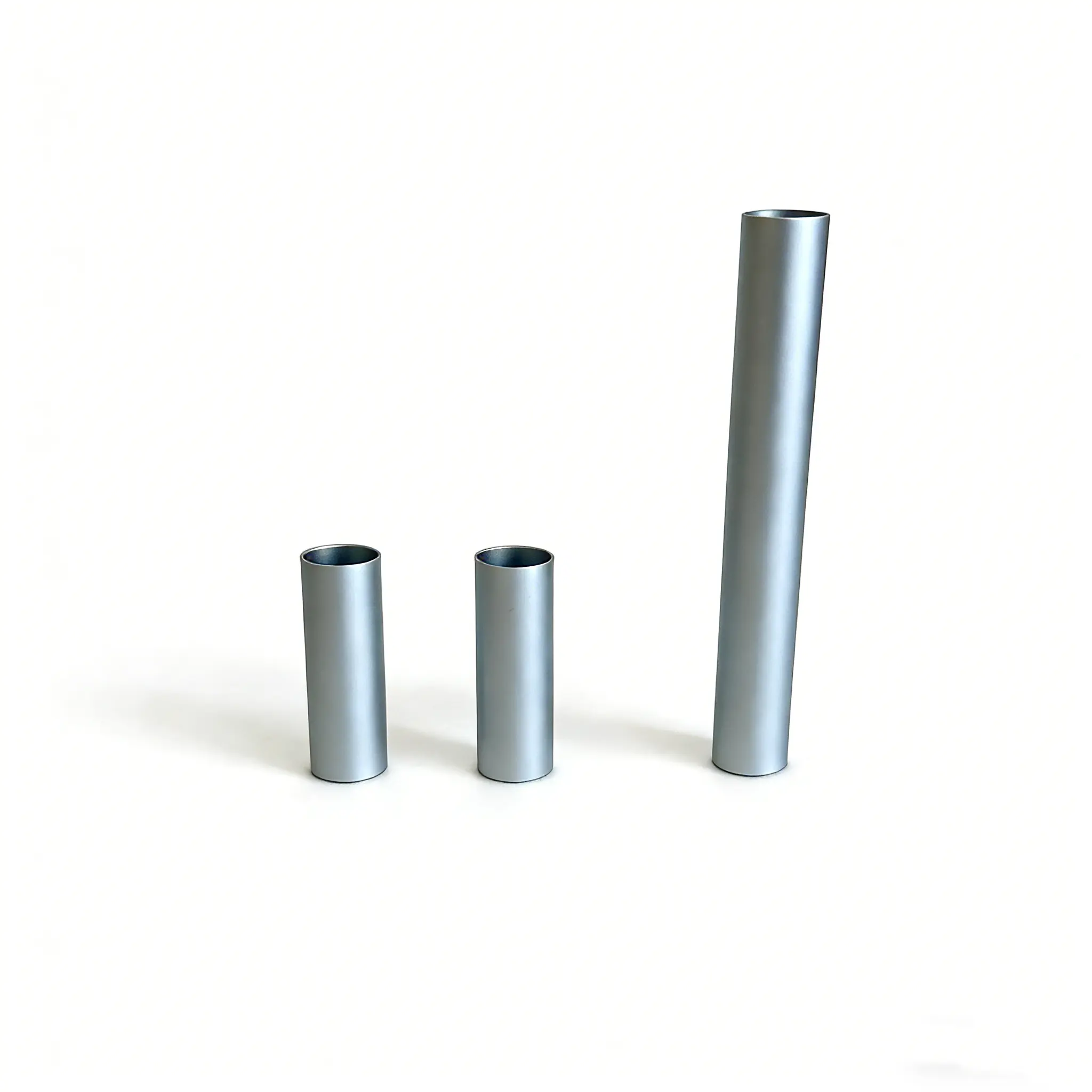
Common aluminum packaging formats include screw-top round containers, slide tins, and pocket tins. Different designs provide flexibility in capacity, decoration, and user experience, allowing brands to select formats based on product positioning and market requirements.
When Plastic Remains a Practical Option — Cost, Scale, and Format Considerations
Plastic lip balm containers remain a practical choice for certain applications where cost efficiency and production scale are primary considerations:
- Mass-market products where competitive pricing requires lower packaging costs.
- Large-volume private label programs that benefit from faster production cycles and established plastic manufacturing processes.
- Twist-up stick formats where plastic provides greater design flexibility for mechanical structures and high-speed filling operations.
For brands looking to improve sustainability while maintaining plastic packaging advantages, rPET (recycled PET) offers a more environmentally focused option. However, aluminum generally provides stronger barrier performance and a more premium packaging appearance.
How to Choose a Reliable Aluminum Lip Balm Container Supplier
Selecting the right aluminum lip balm container supplier is not only about comparing unit prices. For cosmetic brands, packaging quality, customization capability, and supply reliability directly influence product performance, launch timelines, and long-term brand reputation.
Before placing a bulk order, buyers should evaluate suppliers based on the following key factors:
Manufacturing Capability and Production Experience
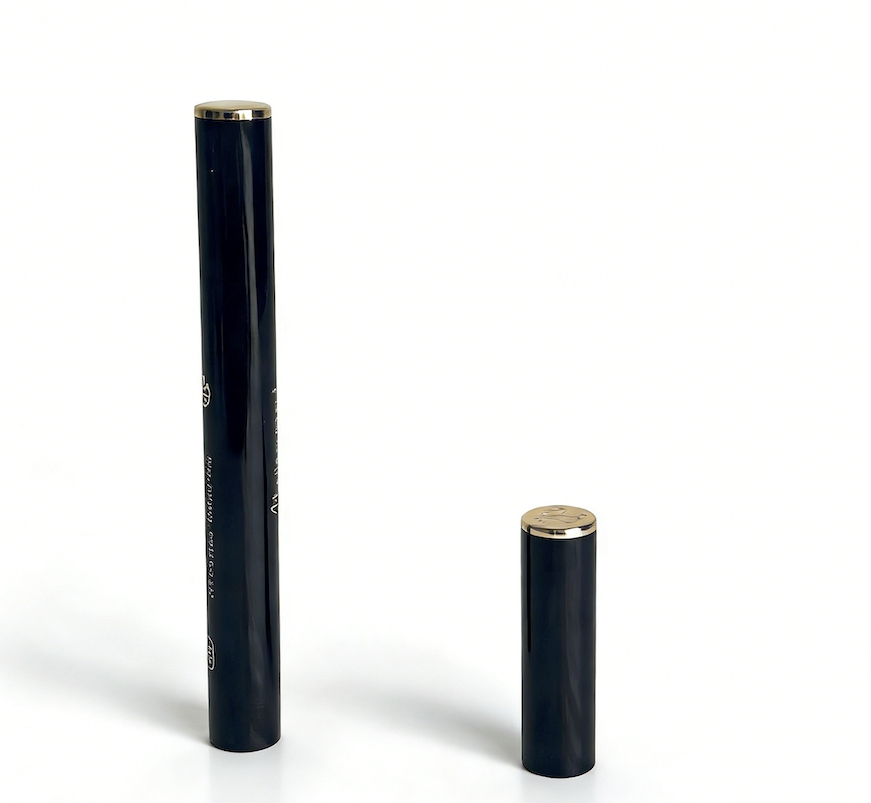
A reliable supplier should have proven experience in producing aluminum cosmetic packaging and the ability to support different container formats, including screw-top tubes, tins, and customized designs. Key factors to review include production capacity, tooling capabilities, surface treatment technology, and experience with export requirements.
Quality Control and Material Safety
Packaging quality directly affects product protection and consumer experience. Buyers should verify whether suppliers provide:
- Material composition certificates for aluminum substrates
- Food-grade internal coating or lining documentation
- Dimensional inspection reports for threads, caps, and container bodies
- Leakage and sealing performance testing records
- Heavy metal migration or compatibility test reports when required
Consistent quality control helps reduce risks such as poor sealing, coating defects, and formula compatibility issues during mass production.
Customization and Branding Support
For premium and private-label lip balm products, customization capability is an important supplier selection factor. Experienced suppliers should offer options such as:
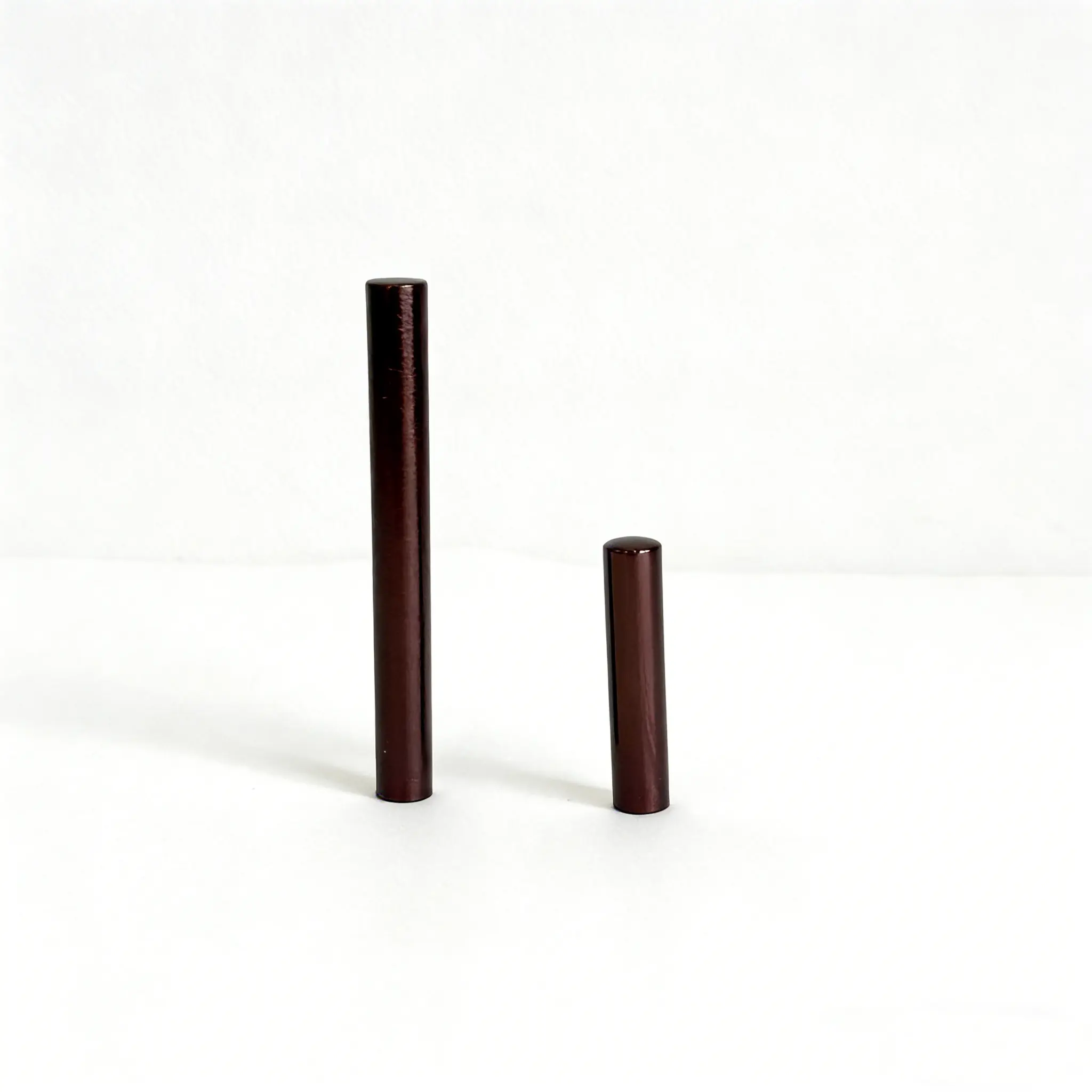
- Anodized colors and surface finishes
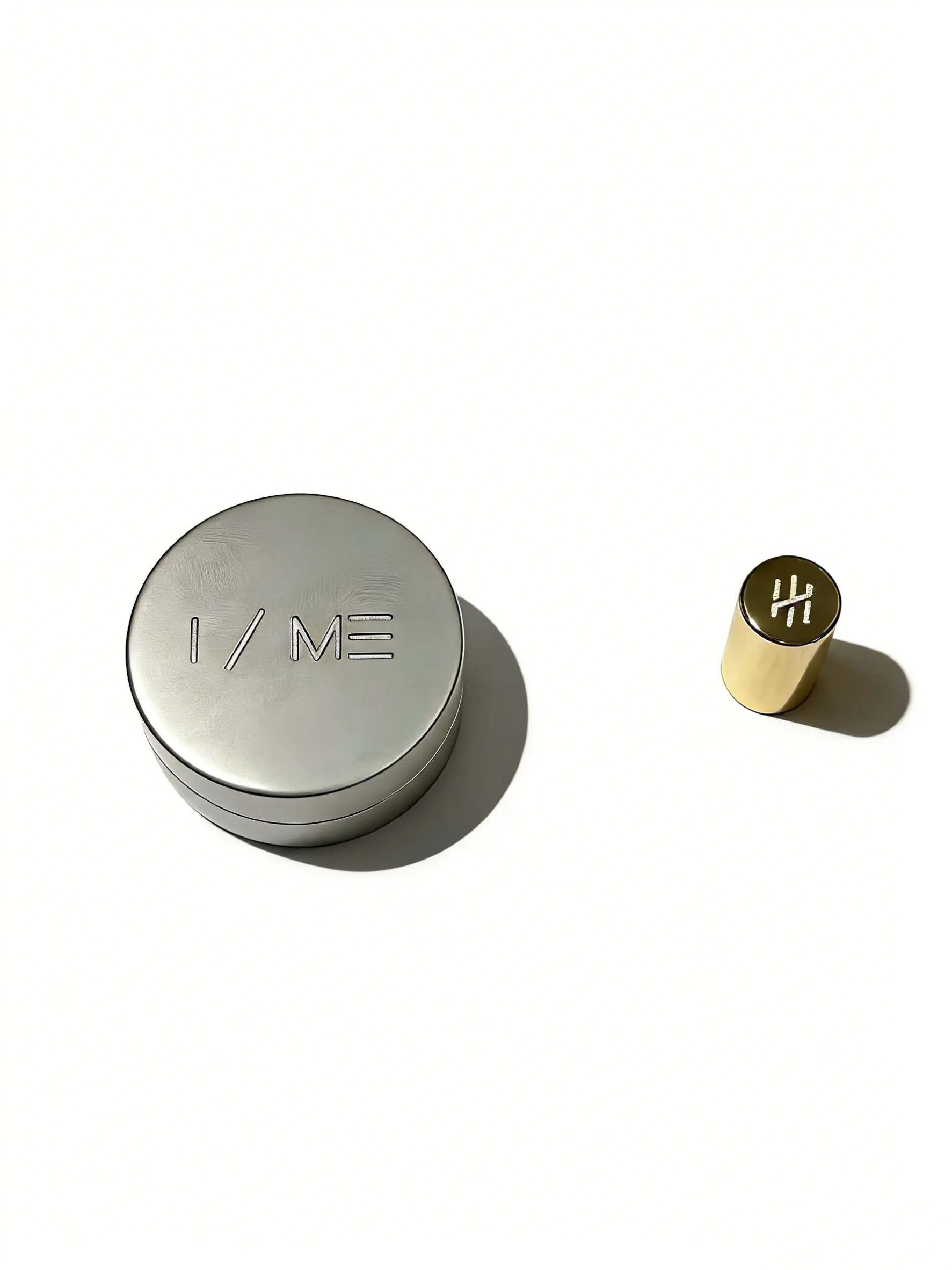
- Embossed or engraved logos
- Screen printing and decorative treatments
- Customized sizes, shapes, and packaging structures
These options allow brands to create differentiated packaging while maintaining the protective advantages of aluminum.
MOQ, Lead Time and Supply Flexibility
Buyers should also evaluate whether a supplier can meet their commercial requirements, including minimum order quantities, production schedules, and customization needs. A reliable partner should provide clear lead times, transparent communication, and flexible solutions for both initial product launches and long-term volume orders.
By evaluating manufacturing capability, quality standards, customization options, and supply reliability, brands can select an aluminum lip balm container supplier that supports consistent product quality and sustainable business growth.
FAQ
1. How much longer does an aluminum lip balm container preserve fragrance compared to plastic?
Aluminum lip balm containers generally provide better fragrance protection than plastic packaging due to their stronger barrier against oxygen, moisture, and light exposure. The actual shelf-life improvement depends on the formula, closure design, storage conditions, and packaging quality.
2. Are aluminum lip balm containers compatible with essential oils and natural wax formulas?
Yes. With a suitable internal coating or surface treatment, aluminum lip balm containers can be compatible with formulas containing essential oils, botanical extracts, and natural waxes. Brands should confirm material compatibility and safety documentation before production.
3. What MOQ and lead time should buyers expect for custom aluminum lip balm containers?
MOQ and lead time depend on the design, decoration, and customization requirements. Stock containers with custom printing may require lower quantities, while fully customized designs usually involve higher MOQs and longer production timelines.
4. Are aluminum lip balm containers recyclable?
Yes. Aluminum is highly recyclable and can be recycled repeatedly without significant loss of material properties. This makes aluminum packaging an attractive option for brands seeking premium packaging with strong sustainability advantages.
5. Can aluminum lip balm containers be customized with branding?
Yes. Aluminum lip balm containers support various customization options, including anodizing, embossing, laser engraving, and screen printing. These finishes help brands create distinctive packaging designs for premium and specialty lip care products.
6. Why do premium lip balm brands choose aluminum containers over plastic?
Premium brands often choose aluminum because it offers strong barrier protection, a high-end appearance, and excellent customization potential. It is especially suitable for fragrance-focused, natural, and luxury lip care products where packaging experience matters.
Conclusion
For brands that prioritize fragrance retention and formula protection, aluminum lip balm containers offer clear advantages over plastic alternatives through superior barrier performance, light protection, and sealing stability. These features help maintain product quality and support a consistent consumer experience throughout the product lifecycle.
When selecting packaging materials, buyers should consider barrier properties, formula compatibility, customization options, and total cost of ownership rather than focusing only on unit price. For premium, natural, or fragrance-focused lip balm products, choosing the right aluminum packaging solution can enhance both product performance and brand value.
Contact Jaehawk to explore custom aluminum lip balm container options, including sizes, finishes, and packaging solutions tailored to your product requirements.