
Abstract
Concerns about aluminum in cosmetics are increasing, but most discussions focus on aluminum salts used in antiperspirants and cosmetic active ingredients — not the aluminum materials used for packaging. When consumers see headlines about aluminum safety risks, they are usually referring to compounds such as aluminum chloride or aluminum zirconium used directly in personal care formulas. These ingredients are completely different from the cosmetic-grade aluminum alloy used in an Aluminum Lipstick Tube.
This article explains why an Aluminum Lipstick Tube is considered a safe and reliable packaging choice for cosmetic brands. It clarifies the difference between aluminum as an ingredient and aluminum as a packaging material, while addressing key concerns related to material safety, protective coatings, regulatory considerations, and sustainability. For brands seeking premium and recyclable aluminum cosmetic packaging, understanding this distinction helps build consumer trust and make more informed packaging decisions.
1. Understanding the Aluminum Safety Debate in Cosmetics
1.1 Where Does the Concern About Aluminum in Cosmetics Actually Come From?
Concerns about aluminum in cosmetics mainly originate from aluminum-based salts used as active ingredients in antiperspirant products, including aluminum chloride, aluminum chlorohydrate, and aluminum zirconium compounds. These ingredients are designed to reduce perspiration by temporarily interacting with sweat glands and are evaluated according to cosmetic ingredient safety standards.
Public discussion around aluminum safety increased after several early studies explored whether repeated exposure to aluminum salts through underarm application could contribute to increased aluminum levels in human tissue. These discussions led regulatory organizations, including the European Scientific Committee on Consumer Safety (SCCS), to review available evidence regarding exposure limits, ingredient safety, and long-term use of aluminum-containing cosmetic formulas.
However, these safety discussions focus specifically on aluminum compounds added as cosmetic ingredients. They do not apply to the aluminum alloy used in an aluminum lipstick tube, which functions only as a packaging material. Unlike active ingredients in cosmetic formulas, the aluminum used in lipstick packaging does not serve a biological function, does not become part of the formula, and is evaluated through packaging material safety and compatibility testing.
For cosmetic brands, clearly explaining this distinction helps prevent consumer confusion and allows sales teams to communicate packaging safety with greater confidence.
1.2 Why Is Aluminum Used in Cosmetic Packaging Different from Aluminum Ingredients?
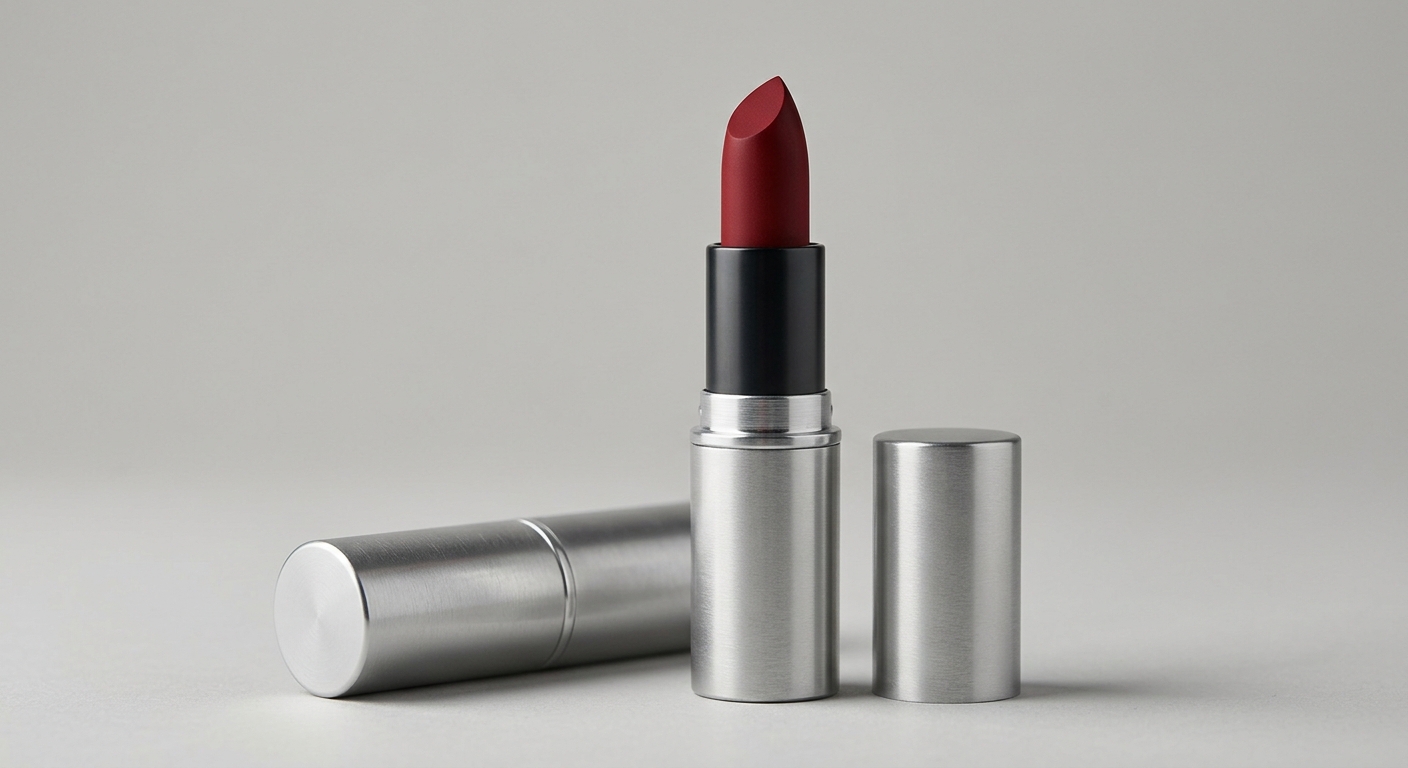
The aluminum used in cosmetic packaging belongs to a different material category from aluminum salts found in cosmetic formulas. Common packaging alloys, such as 1000-series and 3000-series aluminum grades, are selected for their lightweight structure, corrosion resistance, durability, and suitability for precision manufacturing.
Unlike ionic aluminum compounds used as active ingredients, metallic aluminum in an aluminum lipstick tube remains in a stable alloy form. When combined with proper surface treatments, such as anodizing or protective interior coatings, the packaging creates a reliable barrier between the cosmetic formula and the external environment.
The difference is simple: an aluminum lipstick tube is designed to protect and contain a cosmetic product — not deliver ingredients to the skin. The tube body provides structural protection, while internal coatings help ensure compatibility with lipstick formulas, including wax-based, oil-based, and pigment-rich formulations.
During normal use, consumers only touch the finished exterior surface of the packaging. They are not applying aluminum as an ingredient, and the packaging material does not function as an active component of the cosmetic product.
Confusing aluminum packaging with aluminum-based cosmetic ingredients is similar to confusing the metal used in a kitchen utensil with nutritional supplements containing specific mineral compounds. The material category, purpose, and safety evaluation process are completely different.
2. Technical Profile of Aluminum Lipstick Tube Construction
2.1 What Materials Are Used in an Aluminum Lipstick Tube and How Are They Regulated?
A high-quality aluminum lipstick tube is manufactured using cosmetic-grade aluminum alloys, commonly including 1050, 1070, and 3003 series. These aluminum grades are selected for their purity, formability, lightweight structure, and corrosion resistance, making them suitable for precision cosmetic packaging applications.
Unlike aluminum compounds used as cosmetic ingredients, the aluminum alloys used in an aluminum lipstick tube are evaluated as packaging materials. Their safety assessment focuses on factors such as material stability, product compatibility, surface treatment performance, and potential substance migration.
For cosmetic brands sourcing premium aluminum packaging, common compliance references and evaluation standards include:
- FDA 21 CFR Part 174–186: Provides guidelines related to materials intended for indirect contact applications, including migration considerations and approved material treatments.
- EU Regulation (EC) No 1223/2009: Defines cosmetic product safety requirements, including the assessment of packaging compatibility as part of overall product safety evaluation.
- EU Regulation (EU) No 10/2011: Although developed for plastic food-contact materials, its migration testing methodology is often referenced when evaluating packaging material safety.
- ISO 22715: Provides guidance for cosmetic packaging requirements, including packaging performance, compatibility, and labeling considerations.
Reliable Aluminum Lipstick Tube manufacturers should be able to provide supporting documentation, including material test certificates (MTC), alloy composition reports, coating specifications, and relevant compatibility or migration testing records. These documents help brands verify packaging quality before launching cosmetic products in different markets.
2.2 How Does an Aluminum Lipstick Tube Prevent Formula Contamination?
A professionally manufactured aluminum lipstick tube is designed with protective surface treatments to create a stable barrier between the metal packaging and the cosmetic formula. The interior surface is typically treated or coated rather than leaving untreated aluminum directly exposed to the product.
Common protective solutions include:
- Anodizing
Anodizing creates a controlled aluminum oxide layer on the surface of the tube. This treatment improves hardness, corrosion resistance, and surface durability while providing additional protection for cosmetic packaging applications.
- Epoxy or Polyester Interior Lacquering
Interior lacquering applies a protective coating inside the aluminum tube body. This barrier helps reduce direct contact between the metal substrate and lipstick formulas, especially for oil-based, wax-based, and pigment-rich products where long-term compatibility is important.
- PTFE or Food-Grade Polymer Liners
For specialized applications, premium aluminum lipstick tube designs may use advanced liners or polymer-based protective layers to improve compatibility with more demanding formulations, such as products containing high pigment loads or specific active ingredients.
Through proper alloy selection and surface treatment, aluminum packaging can provide the durability, stability, and product protection required by modern cosmetic brands.
| Dimension | Aluminum Packaging (Lipstick Tube) | Aluminum Ingredient (Formulation-Grade Salt) |
|---|---|---|
| Chemical Form | Metallic aluminum alloy | Ionic aluminum compound |
| Skin Contact Mode | No direct contact | Direct topical absorption |
| Regulatory Category | Packaging material regulation | Cosmetic ingredient regulation |
| Safety Assessment | Migration testing, material certification | Toxicological risk assessment (SCCS) |
| Reference Standards | FDA 21 CFR / EU EC 1223/2009 / ISO 22715 | SCCS Opinion / IARC evaluation |
Brands sourcing aluminum lipstick tubes should request interior coating specifications and ask suppliers for compatibility testing data against representative formulation types (anhydrous wax, emollient-rich, high-pigment).
3. Commercial & Brand Strategy: Turning Aluminum Lipstick Tube Safety Into a Market Advantage
3.1 How Can Brands Communicate Aluminum Lipstick Tube Safety to Consumers?
The beauty brands that build long-term consumer trust are not those that avoid questions about packaging materials — they are the ones that provide clear and transparent answers. When customers ask whether an aluminum lipstick tube is safe, brands should focus on three key communication strategies.
1. Explain the Difference Between Packaging Aluminum and Cosmetic Ingredients
The first step is to clearly distinguish between aluminum used in packaging and aluminum compounds used as cosmetic ingredients. Customer-facing teams can explain:
“The aluminum used in our lipstick packaging is a structural material, not an active cosmetic ingredient. The safety discussions around aluminum in cosmetics mainly relate to aluminum salts used in products such as antiperspirants, which belong to a completely different category.”
This explanation helps consumers understand that an aluminum lipstick tube is designed to protect the product rather than deliver any ingredients to the skin.
2. Use Compliance Information to Build Consumer Confidence
Safety certifications, material test reports, coating specifications, and supplier quality documentation should not only remain within procurement departments. They can also become valuable brand communication tools.
For premium cosmetic brands, sharing packaging material information through product FAQs, sustainability reports, or transparency pages can demonstrate responsible sourcing and strengthen consumer confidence.
3. Position Aluminum Packaging as a Premium Clean Beauty Choice
Beyond safety, an aluminum lipstick tube offers strong advantages in sustainable beauty packaging. Aluminum is highly recyclable, durable, and can support brands looking to reduce dependence on plastic-based packaging materials.
Rather than presenting aluminum only as a safe option, brands can position it as a premium packaging solution that combines:
- Long-lasting durability
- Premium metallic appearance
- High recyclability
- Reduced use of unnecessary plastic components
This positioning aligns well with the growing demand for sustainable and transparent cosmetic packaging.
3.2 Aluminum Lipstick Tube vs. Other Packaging Materials: Sustainability and Performance Comparison
Packaging decisions in the cosmetics industry increasingly involve sustainability goals, supply chain efficiency, and brand positioning. Compared with traditional materials such as plastic and glass, an aluminum lipstick tube provides several advantages across performance and environmental considerations.
- Recyclability Advantage
Aluminum is one of the most widely recycled industrial materials. Unlike many plastics that may degrade in quality after recycling, aluminum can be recycled repeatedly without losing its fundamental properties.
For cosmetic brands developing sustainable packaging strategies, choosing aluminum packaging can support circular economy goals and reduce reliance on single-use plastic solutions.
- Lower Energy Demand with Recycled Aluminum
Producing aluminum from recycled material requires significantly less energy than manufacturing primary aluminum. Brands sourcing aluminum lipstick tube packaging made with recycled-content aluminum may reduce the environmental impact associated with packaging production.
For companies preparing ESG reports, requesting lifecycle assessment (LCA) data or Environmental Product Declarations (EPDs) from packaging suppliers can help verify sustainability claims.
- Durability and Premium User Experience
Compared with plastic lipstick packaging, an aluminum lipstick tube provides:
- Higher structural strength
- Better resistance to heat deformation
- A more premium tactile experience
- Improved protection during transportation and storage
These advantages are especially valuable for luxury cosmetics, travel retail products, and brands seeking a high-end packaging appearance.
Aluminum vs. Glass Packaging
Glass provides excellent chemical stability but is heavier and more fragile than aluminum. For products requiring efficient transportation, reduced breakage risk, and lightweight premium packaging, aluminum can offer a more practical alternative.
By balancing sustainability, durability, and brand perception, an aluminum lipstick tube has become an increasingly attractive option for modern cosmetic packaging strategies.
FAQ
Q1: Is an Aluminum Lipstick Tube safe for cosmetic products?
Yes. A cosmetic-grade aluminum lipstick tube is a packaging material, not an active ingredient. With proper alloy selection and protective coatings, it safely protects lipstick formulas without directly introducing aluminum compounds into the product.
Q2: How should brands answer “Is your lipstick tube aluminum-free?”
Brands should explain that an aluminum lipstick tube uses stable aluminum alloy for packaging, while aluminum safety concerns usually refer to aluminum salts in cosmetic formulas. These are different material categories with different safety evaluations.
Q3: What documents should an aluminum lipstick tube manufacturer provide?
Reliable manufacturers should provide material test certificates (MTC), alloy composition reports, coating specifications, compatibility test results, and relevant compliance documents to verify packaging quality and safety.
Q4: Does aluminum packaging require lipstick formula changes?
Usually not. Most wax-based lipstick formulas work well with an aluminum lipstick tube when suitable interior coatings are applied. Compatibility testing is recommended for special formulations.
Q5: Why choose aluminum lipstick tubes over plastic packaging?
An aluminum lipstick tube offers higher durability, a premium appearance, and excellent recyclability. It is a practical choice for brands seeking sustainable cosmetic packaging with strong product protection.
Q6: Can Aluminum Lipstick Tubes be customized for cosmetic brands?
Yes. Manufacturers can customize aluminum lipstick tubes with different finishes, colors, surface treatments, shapes, and decoration options to match specific brand requirements.
Conclusion
The discussion around aluminum safety in cosmetics is often driven by a misunderstanding between two completely different material categories. Aluminum salts used as cosmetic ingredients and the aluminum alloy used in an aluminum lipstick tube serve different purposes and are evaluated under different safety standards. Understanding this distinction helps brands communicate packaging choices with greater transparency and confidence.
By explaining material differences, following appropriate packaging compliance requirements, and providing clear safety information, cosmetic brands can reduce consumer concerns while making more informed packaging decisions. An aluminum lipstick tube is not only a durable and premium packaging solution but also a recyclable option that supports the growing demand for sustainable cosmetic packaging.
For brands looking for reliable cosmetic packaging solutions, choosing an experienced Aluminum Lipstick Tube manufacturer can help ensure the right combination of material quality, protective coating, customization options, and product compatibility. Contact Jaehawk today to explore custom aluminum lipstick tube solutions designed for your beauty brand.