

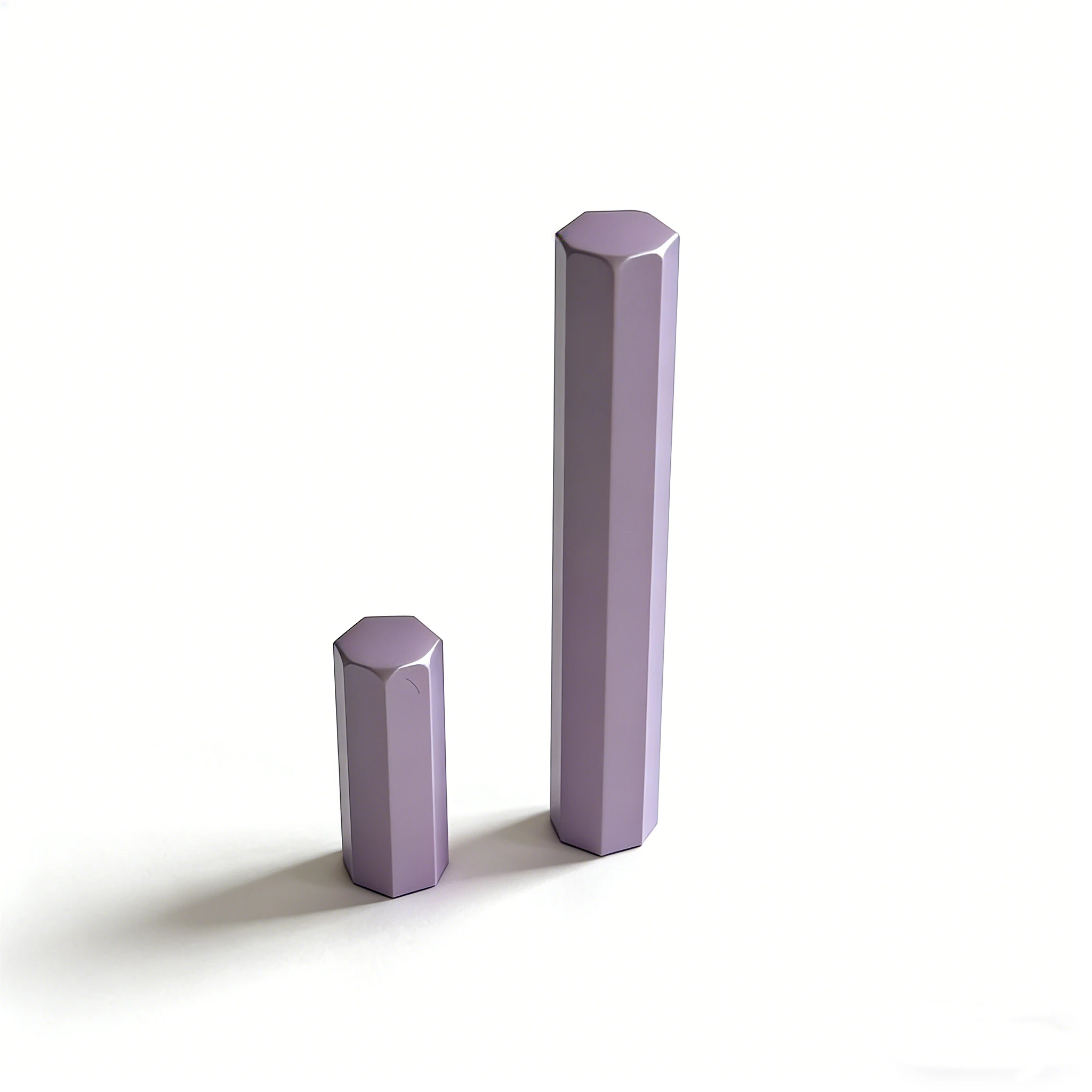
要旨
カスタム 香水用ショルダースリーブ represent one of the most underutilized yet commercially powerful branding touchpoints in fragrance packaging. Positioned at the visual apex of a bottle — where the neck meets the shoulder — these precision-engineered components deliver simultaneous decorative impact and structural function. For B2B buyers, the decision to invest in custom shoulder sleeves is not simply aesthetic; it directly influences retailer listing decisions, consumer purchase intent, and long-term brand equity.
This article provides a decision-ready framework for sourcing managers, packaging directors, and fragrance brand owners evaluating custom perfume shoulder sleeve specifications. We examine material and finish options, engraving techniques, compliance requirements, supplier qualification criteria, and the commercial ROI across brand tiers — from mass-market rollouts to small-batch luxury collections. Whether you are launching a new fragrance line or refreshing an existing SKU, understanding how shoulder sleeve customization drives measurable shelf differentiation is essential to making a confident procurement decision.
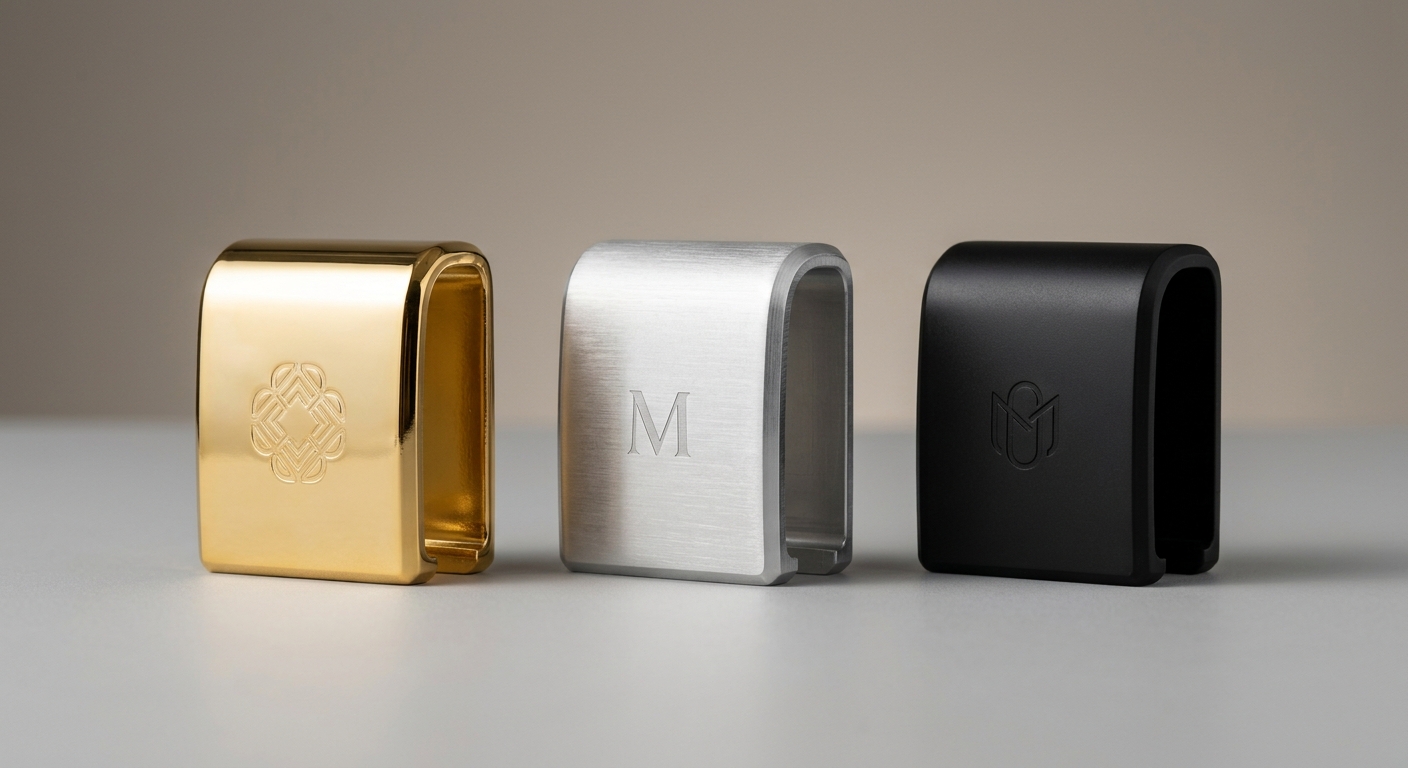
1: What Is a Perfume Shoulder Sleeve and Why Does It Matter for Packaging?
1.1: Structural Role of the Shoulder Sleeve in Fragrance Packaging
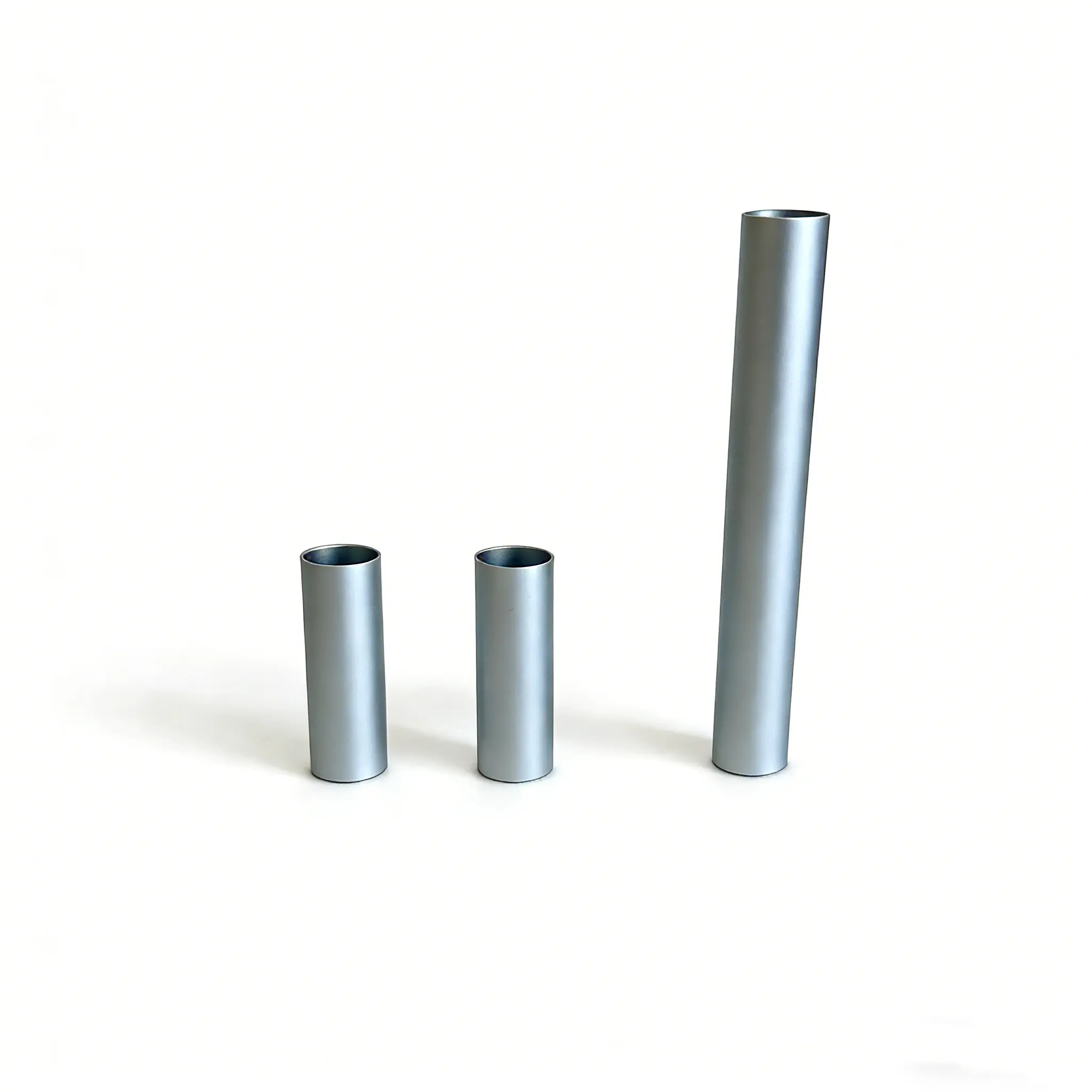
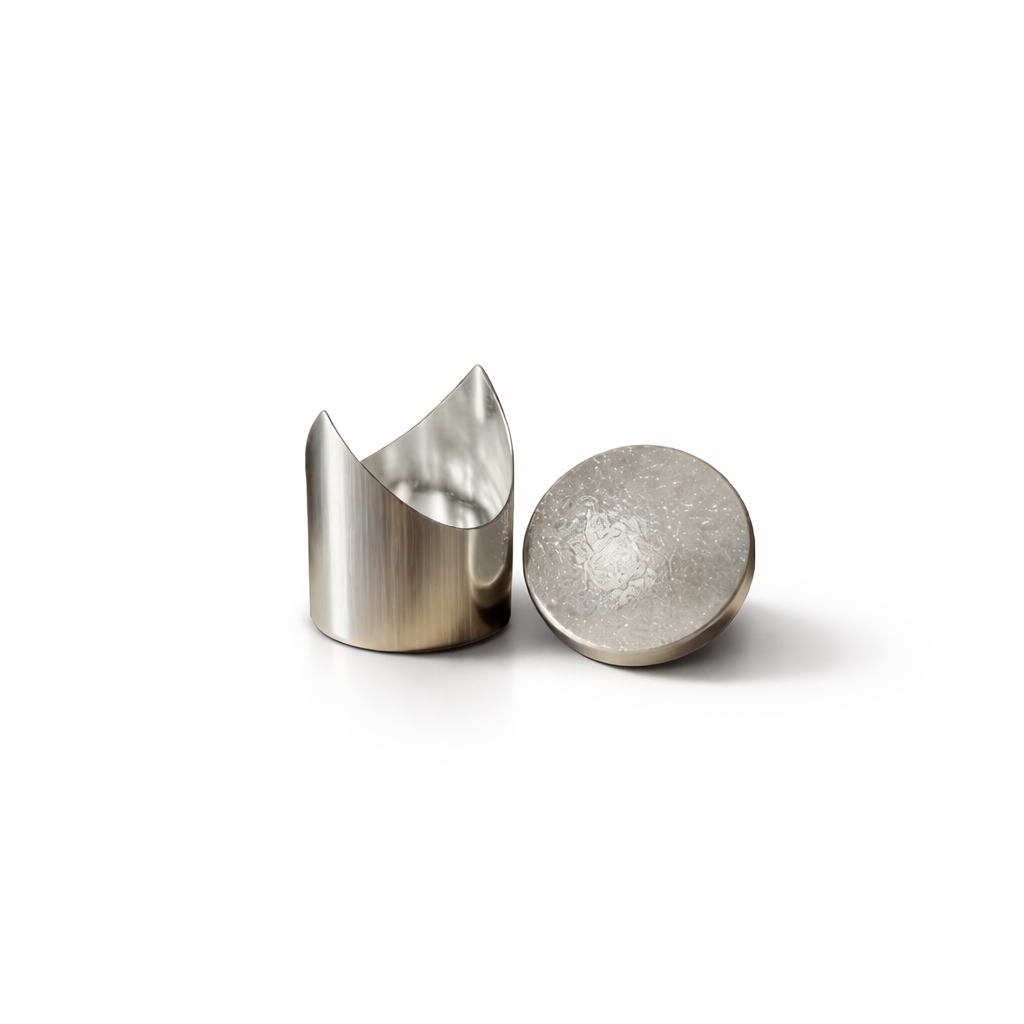
A perfume shoulder sleeve is a collar-like component fitted around the upper body of a fragrance bottle — specifically the transitional zone between the bottle neck and the broader shoulder. Manufactured from metals, polymers, or composite materials, it is mechanically secured or adhesive-bonded to the glass substrate, creating a seamless visual and structural extension of the bottle form.
Functionally, the shoulder sleeve performs two simultaneous roles. First, it acts as a protective interface, shielding the most mechanically vulnerable section of the bottle from impact stress during transit, retail handling, and consumer use. Second, it serves as a primary decorative carrier, offering a three-dimensional surface for brand identity elements — logos, textures, finishes, and engravings — that flat label printing cannot replicate with the same tactile authority.
From a structural engineering standpoint, a well-designed shoulder sleeve also improves cap-to-bottle alignment, reduces wobble in atomizer assemblies, and contributes to perceived weight and premium hand-feel — all factors that influence consumer perception of product quality before the fragrance is even experienced.
1.2: How Shoulder Sleeves Influence First Impressions on Retail Shelves
In a crowded fragrance retail environment, visual hierarchy determines which bottles attract attention within the critical first three seconds of consumer scanning. The shoulder sleeve occupies the upper visual field of a bottle display — the zone that registers first at eye level on a standard retail shelf or gondola unit.
For B2B retail buyers and category managers, this translates directly into listing preference. Bottles with distinctive, high-finish shoulder sleeves photograph better for e-commerce thumbnails, present more cohesively in multi-SKU brand bays, and signal manufacturing investment that correlates with brand seriousness. Retailers increasingly evaluate packaging quality as a proxy for brand stability and reorder reliability — making the shoulder sleeve a commercial credential, not merely a styling choice.
Custom shoulder sleeves also enable brand-tier signaling without changing the core bottle mold, providing a cost-efficient mechanism for launching flankers, limited editions, or regional exclusives from a single base component.
2: Customization Options — Materials, Finishes, and Engraving Techniques
2.1: Material & Finish Choices for Custom Perfume Shoulder Sleeves
Material selection defines the weight, durability, cost profile, and finish capability of a custom shoulder sleeve. The three dominant material categories in B2B fragrance packaging are:
- 亜鉛合金(ザマック): The industry benchmark for premium and luxury tiers. Offers exceptional casting precision for intricate geometries, high surface density for electroplating, and excellent weight contribution to perceived bottle quality. Slightly higher unit cost, but supports the widest range of surface treatments.
- アルミニウム: Lighter than zinc alloy with good corrosion resistance. Preferred for larger sleeve formats where weight management is critical. Accepts anodizing, brushing, and PVD coating effectively.
- ABSプラスチック: The standard choice for mass-market and mid-tier applications. Lower tooling and unit costs, with good compatibility for UV coating, chrome plating simulation, and injection-molded texture patterns.
- Wood / Natural Composites: A growing niche for artisanal and eco-positioned brands. Typically CNC-machined and finished with natural oils or lacquers. Limited to simpler geometries but delivers strong differentiation in sustainable luxury segments.
| 材料 | 表面仕上げオプション | MOQ Reference | Weight Range | Compatible Bottle Types | リードタイム |
|---|---|---|---|---|---|
| Zinc Alloy | Electroplating, PVD, matte lacquer | 500–1,000 pcs | 8–25g | Standard & custom necks | 45–60 days |
| アルミニウム | Anodizing, brushing, PVD | 1,000–2,000 pcs | 4–12g | Cylindrical, tapered | 35–50 days |
| ABSプラスチック | UV coating, chrome simulation, painting | 2,000–5,000 pcs | 2–8g | Universal | 30–45 days |
| 木材 | Natural oil, lacquer, laser engraving | 300–500 pcs | 5–15g | Flat shoulder bottles | 50–70 days |
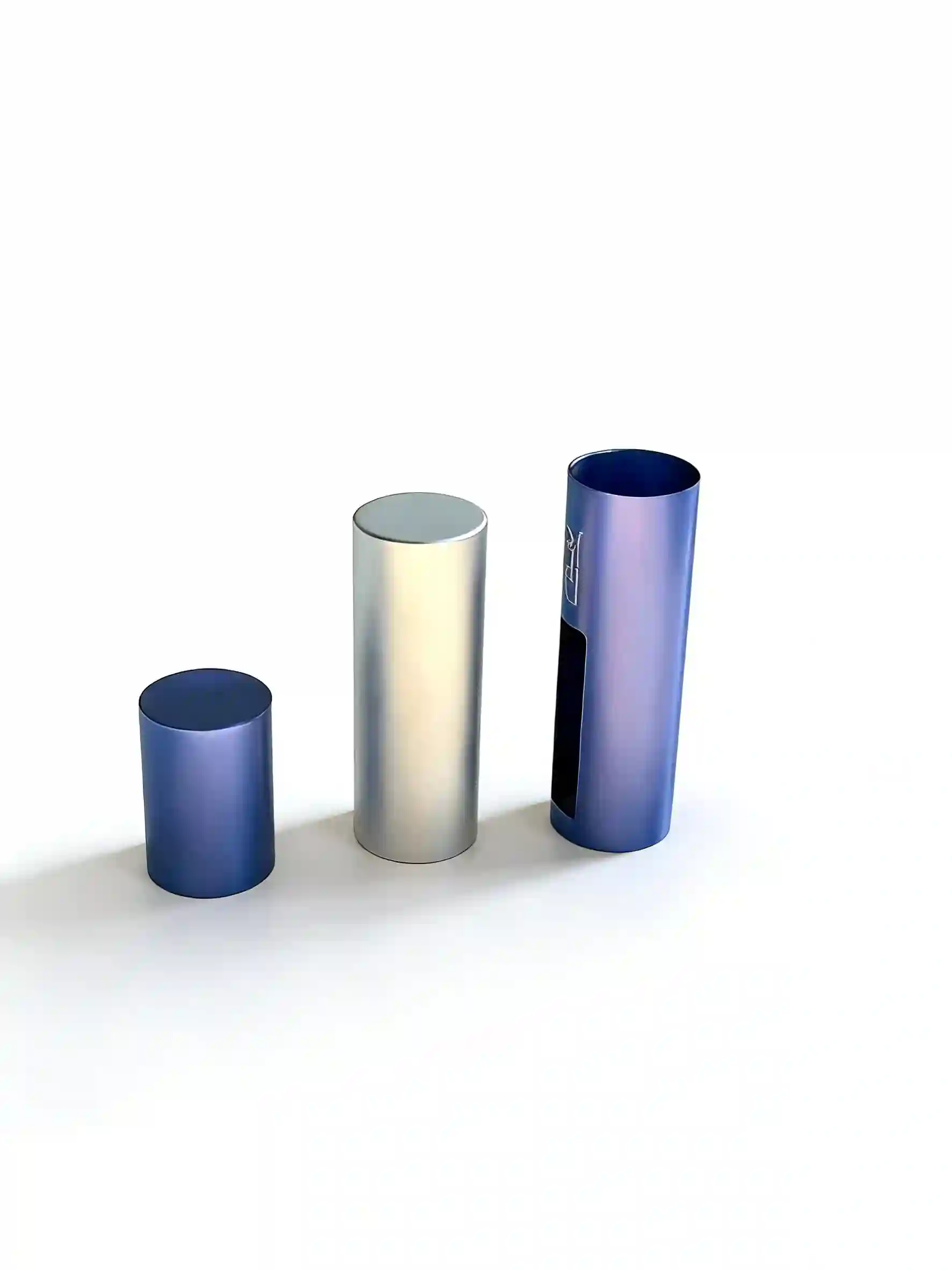
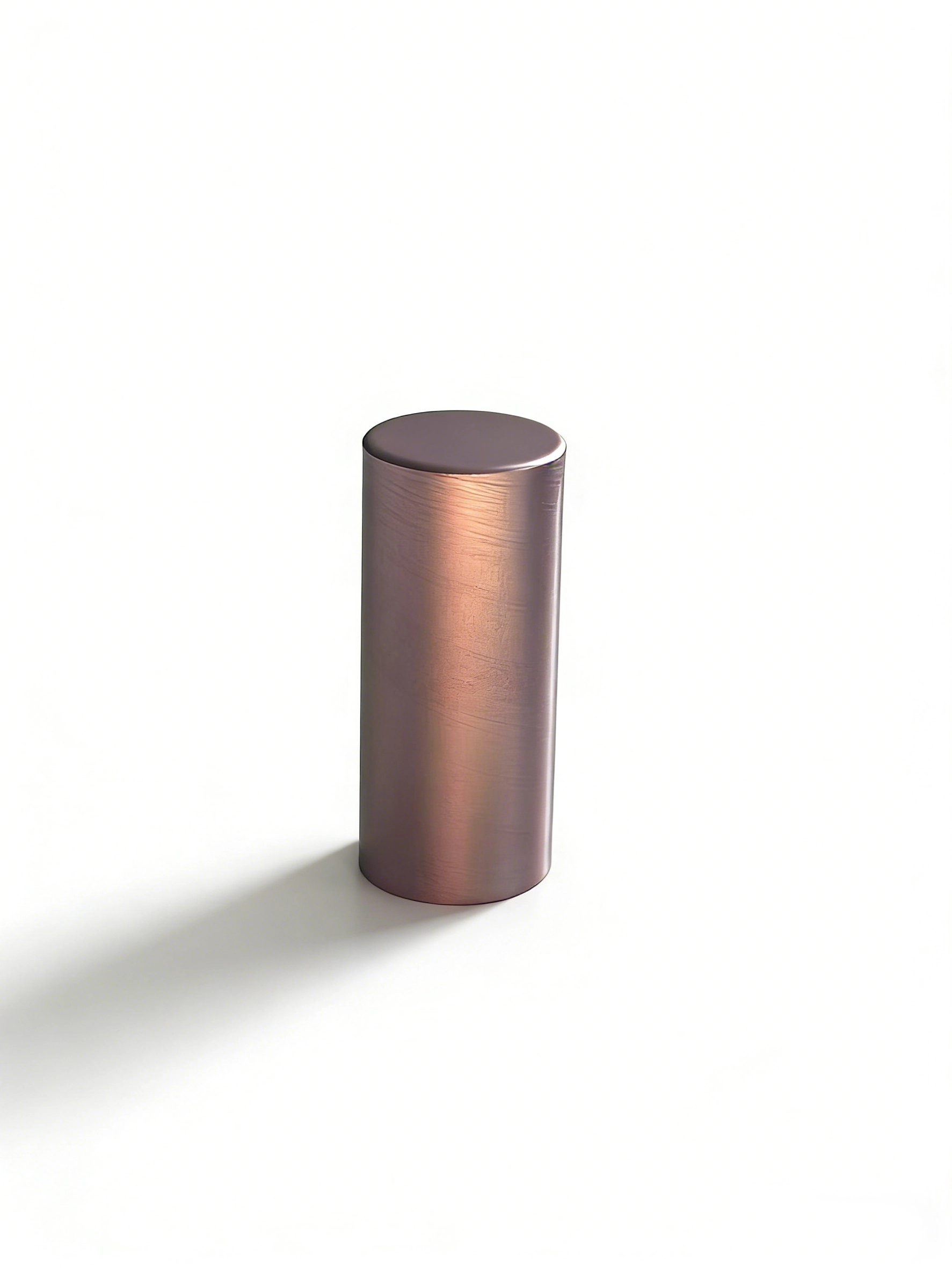
Surface treatment is the second critical specification dimension. 電着塗装 (gold, silver, gunmetal) delivers the highest reflectivity and luxury association. Matte lacquer coatings provide a contemporary, tactile alternative increasingly favored by niche perfumers. UV hard coatings extend scratch resistance on plastic substrates, while PVD (Physical Vapor Deposition) offers superior adhesion and color consistency on metal components.
2.2: Engraving, Embossing, and Logo Integration Techniques
Three primary techniques are used to integrate brand identity into custom shoulder sleeve surfaces, each with distinct precision, cost, and brand fidelity profiles:
レーザー彫刻 delivers the highest dimensional accuracy, capable of reproducing fine logotype details and micro-textures at tolerances below 0.1mm. It is non-contact, eliminating tooling marks, and is ideal for metal substrates. Per-unit cost is low at scale, but setup requires precise vector artwork.
Embossing / Die Casting Relief integrates the logo or pattern directly into the mold geometry, producing a raised or recessed three-dimensional surface that requires no secondary processing. This technique offers the strongest tactile brand experience and is cost-efficient at volumes above 2,000 units, as the tooling investment is amortized across production runs.
Screen Printing (Silk Screen) is the most accessible technique for multi-color logo applications on flat or gently curved surfaces. It is best suited for ABS components where engraving depth is limited. Color accuracy is high, but surface durability requires a protective topcoat to prevent abrasion during retail handling.
For luxury niche brands, combining die-cast relief with selective PVD coloring creates a multi-dimensional finish that is extremely difficult to replicate at lower price points — a meaningful competitive moat in specialty retail.
3: Compliance, Quality Standards, and Supplier Qualification
3.1: Industry Standards and Material Safety Requirements
Perfume shoulder sleeves contact fragrance bottles that contain alcohol-based solutions and aromatic compounds. While the sleeve itself does not directly contact the fragrance, surface coatings and adhesives used in assembly must meet applicable chemical safety frameworks.
Key compliance requirements for B2B buyers include:
- RoHS Directive (EU 2011/65/EU): Restricts hazardous substances including lead, cadmium, and hexavalent chromium in electroplated finishes — critical for zinc alloy and ABS components destined for European markets.
- REACH Regulation (EC 1907/2006): Requires suppliers to document and restrict Substances of Very High Concern (SVHCs) in surface treatment chemicals. Request a full REACH declaration from any prospective supplier.
- Adhesion and Corrosion Testing: Industry-standard quality protocols include cross-hatch adhesion testing (ASTM D3359) for coatings, salt spray testing (ASTM B117) for plated metal components, and alcohol rub resistance testing for any surface that may contact fragrance spray residue.
Buyers targeting the US market should additionally confirm that adhesives and bonding agents used in sleeve assembly comply with FDA indirect contact material guidelines where applicable.
3.2: Key Criteria for Qualifying a Custom Shoulder Sleeve Manufacturer
Supplier qualification for custom perfume shoulder sleeves should be evaluated across three core dimensions:
Certification and Process Control: ISO 9001:2015 certification is the baseline expectation, confirming documented quality management systems. Request evidence of in-process inspection protocols, particularly for plating bath chemistry control and dimensional tolerance verification.
Sampling and Artwork Workflow: A competent manufacturer should offer a structured pre-production sampling process: 3D CAD confirmation → physical prototype → finish approval sample → pre-production pilot batch. Buyers should be cautious of suppliers who skip the pilot batch stage, as this is where color and texture consistency issues most commonly surface.
MOQ Flexibility and Lead Time Reliability: Established manufacturers typically offer MOQs of 500–2,000 units depending on material and complexity. For luxury niche brands requiring smaller batches, negotiate a tooling cost buyout arrangement that permits lower run quantities without per-unit price penalties. Confirmed lead times should be contractually defined, with milestone checkpoints at mold completion, plating approval, and pre-shipment inspection.
4: Application Scenarios and Commercial Value for B2B Buyers
4.1: Use Cases Across Brand Tiers — Mass Market to Luxury Niche
Custom shoulder sleeves serve fundamentally different strategic functions depending on brand positioning:
Mass Market Brands prioritize standardized sleeve designs that can be applied across multiple SKUs with minimal tooling variation. ABS sleeves with UV chrome finishes deliver a premium appearance at a cost structure compatible with retail price points below $40. The commercial logic is volume efficiency — a single sleeve mold amortized across 50,000+ units annually.
Mid-Tier and Prestige Brands typically invest in aluminum or zinc alloy sleeves with electroplated finishes and embossed logos. At this tier, the sleeve becomes a brand consistency vehicle across retail channels — ensuring the bottle reads as premium in department store, travel retail, and e-commerce photography simultaneously.
Luxury Niche and Indie Perfumers derive disproportionate ROI from custom shoulder sleeves because their differentiation strategy depends on tactile and visual distinctiveness rather than media spend. A hand-finished zamak sleeve with PVD coloring and laser-engraved branding signals craftsmanship credibility to specialty retailers and commands shelf placement in curated fragrance boutiques — a listing that is otherwise difficult to achieve without significant marketing investment.
4.2: How Custom Shoulder Sleeves Drive Retailer Listing and Reorder Rates
Retail buyers evaluate fragrance submissions on both sell-through potential and visual range cohesion. Custom shoulder sleeves directly influence both metrics. A bottle with a distinctive, high-quality sleeve photographs at a higher perceived value — improving conversion rates in e-commerce thumbnails by an estimated 15–25% compared to unadorned equivalents in category benchmark studies.
From a reorder perspective, brands that invest in proprietary sleeve tooling create an implicit switching cost that stabilizes the supplier relationship. Retailers are more likely to maintain and expand listings for brands whose packaging architecture is clearly proprietary — it signals long-term brand commitment and reduces the risk of the SKU being delisted in favor of a private label alternative.
Custom sleeves also enable limited edition mechanics — seasonal colorways or retailer-exclusive finishes applied to an existing sleeve mold — without requiring new bottle tooling, dramatically reducing the cost of promotional packaging programs.
FAQ
1. What is the typical MOQ for custom perfume shoulder sleeves, and can it be negotiated for small-batch luxury brands?
Standard MOQs range from 500 units (wood, complex zinc alloy) to 5,000 units (ABS injection molded). For luxury niche brands, MOQ negotiation is possible when the buyer absorbs the tooling cost upfront — typically $800–$3,000 depending on complexity. This arrangement allows run quantities as low as 300 units while maintaining per-unit economics for the manufacturer.
2. How do I ensure the shoulder sleeve finish remains durable after long-term contact with fragrance oils or alcohol-based sprays?
Specify alcohol rub resistance testing (minimum 100 cycles at 75% IPA concentration) as a mandatory pre-shipment quality requirement. For electroplated finishes, request salt spray test reports (minimum 48 hours, ASTM B117). Matte lacquer finishes should be topcoated with a UV-cured protective layer to prevent softening from incidental fragrance contact.
3. What is the standard lead time from artwork approval to bulk delivery for custom shoulder sleeves?
From finalized vector artwork to bulk delivery, expect 45–70 days depending on material and finish complexity. Zinc alloy with electroplating typically requires 55–65 days; ABS with UV coating can be completed in 30–40 days. Building a 2-week buffer for pre-shipment inspection and logistics is recommended for seasonal launch timelines.
結論
Custom perfume shoulder sleeves are a strategic packaging investment with measurable returns across retail listing rates, consumer purchase intent, and brand equity accumulation. By aligning material selection — whether zinc alloy for luxury depth or ABS for mass-market efficiency — with appropriate finish and engraving techniques, B2B buyers can achieve meaningful shelf differentiation without redesigning core bottle architecture.
Compliance with RoHS, REACH, and durability testing standards protects market access and brand reputation. Supplier qualification rigor — centered on ISO certification, structured sampling workflows, and transparent MOQ terms — reduces sourcing risk and ensures finish consistency at scale.
The shoulder sleeve is the first thing a retailer photographs and the last thing a consumer forgets. Investing in its customization is not a cosmetic decision — it is a commercial one.