
Zusammenfassung
For OEM buyers developing custom lipstick packaging, the path from concept to mass production involves far more than selecting a tube shape. Structural compatibility with filling lines, finish durability across production runs, logo application precision, and supply chain readiness all determine whether a packaging program succeeds or stalls.
This article addresses the four core dimensions of OEM lipstick tube development: structural specifications, decorative surface treatments, branding and customization techniques, and production execution planning. Each dimension presents decision points that directly affect unit cost, lead time, brand differentiation, and scalability. Whether you are launching a new cosmetic line or re-specifying packaging for an existing SKU, understanding how these variables interact enables more precise supplier briefing, faster sample approval, and fewer costly revisions during production ramp-up.
The goal is to provide a practical decision framework—one that translates OEM requirements into actionable specifications a manufacturer can execute at volume with consistent quality.
Structural Specifications That Define OEM Lipstick Tube Compatibility
Mechanism Types and Dimensional Tolerances
The lipstick tube mechanism is the functional core of the package. Three primary mechanism types serve the OEM market:
- Standard rotary mechanisms — the industry default, using a threaded cup-and-carriage system to extend and retract the bullet. Available in diameters ranging from 10 mm to 19 mm, these offer the broadest compatibility with automated filling equipment.
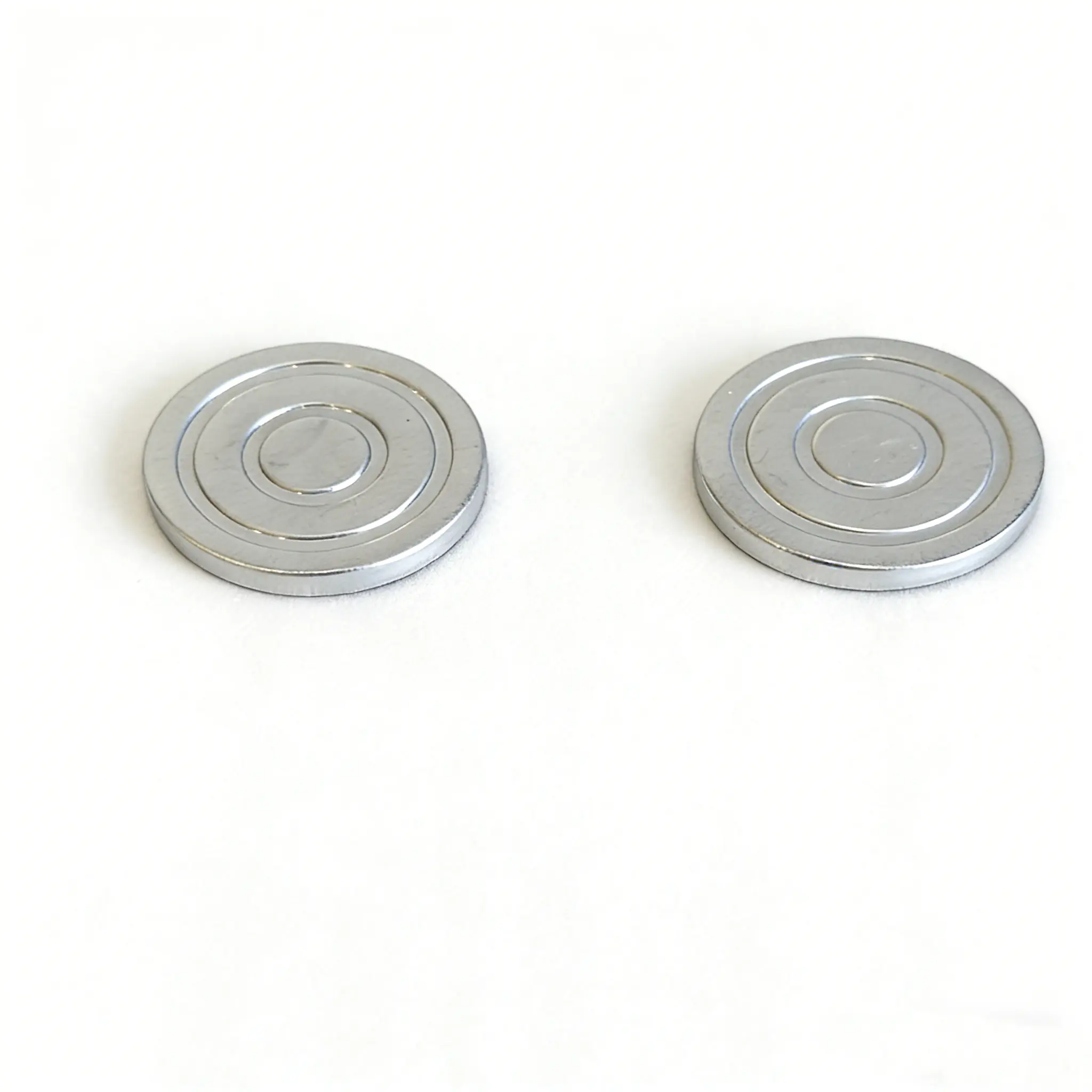
- Magnetic closure mechanisms — typically found in premium and refillable formats, these use rare-earth magnets to secure the cap. They require tighter dimensional tolerances (±0.05 mm on the cap bore) and are less common on high-speed filling lines.
- Double-ended mechanisms — designed for dual-formula products (e.g., lip color + liner), these demand precise center-of-gravity balancing and are generally reserved for mid-to-high volume OEM programs due to tooling complexity.
Dimensional tolerances are critical for filling line compatibility. Most automatic filling stations accept tubes within a ±0.10 mm diameter tolerance. Deviations beyond this threshold cause misalignment, product waste, and line stoppages. OEM buyers should confirm filling equipment chuck specifications before finalizing tube diameter with their supplier.
Material Selection and Load-Bearing Performance
Material choice governs mechanical performance, surface finish receptivity, and end-user perception. The three dominant materials in OEM lipstick tube production are:
| Spezifikation | ABS-Kunststoff | PP Plastic | Aluminiumlegierung |
|---|---|---|---|
| Diameter Range | 10–19 mm | 10–17 mm | 12–19 mm |
| Mechanism Type | Rotary / Magnetic | Rotary | Rotary |
| Fill Weight Capacity | Up to 4.5 g | Up to 3.5 g | Up to 5.0 g |
| Typische Wanddicke | 1.0–1.5 mm | 0.8–1.2 mm | 0.6–1.0 mm |
| Wall Thickness Tolerance | ±0.10 mm | ±0.15 mm | ±0.05 mm |
| Drop Test Performance | Gut | Mäßig | Ausgezeichnet |
ABS offers the best balance of rigidity, surface smoothness, and coating adhesion—making it the preferred substrate for UV coating and electroplating. PP is lighter and more cost-efficient but has lower surface energy, requiring flame or plasma pre-treatment before coating. Aluminum alloy delivers premium tactile weight and superior drop-test results (typically tested at 1.2 m onto a hardwood surface with zero deformation required), but carries a higher unit cost and longer lead time for custom anodizing.
Wall thickness directly affects structural integrity under capping torque. Thin-wall tubes (below 0.8 mm in ABS) risk cracking during automated cap application at torques above 0.3 N·m.
Decorative Finishes and Surface Treatment Options for OEM Customization
Surface Coating and Plating Processes
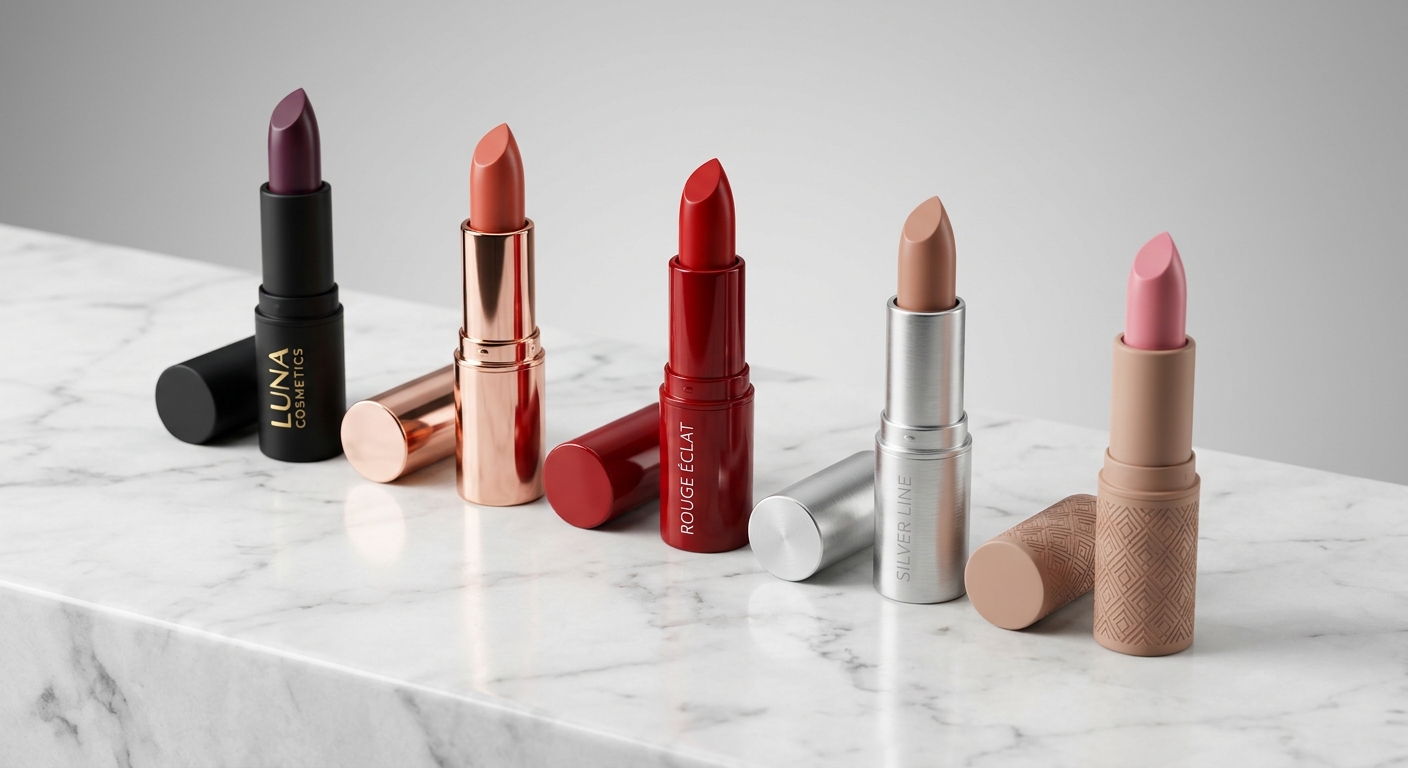
Surface treatment is where structural performance meets brand aesthetics. The four most commercially relevant processes for OEM lipstick tubes are:
- UV-Beschichtung — applied as a clear or pigmented lacquer and cured under ultraviolet light. Delivers high gloss or matte finishes with excellent scratch resistance. MOQ impact is low; color changeovers add approximately 1–2 days to lead time per SKU.
- Electroplating (vacuum metallization) — deposits a thin metallic layer (typically chrome, gold, or rose gold) onto the substrate. Requires ABS or metal substrates. Adds visual premium but increases per-unit cost by 15–30% and requires a minimum batch size of 3,000–5,000 units to amortize setup costs.
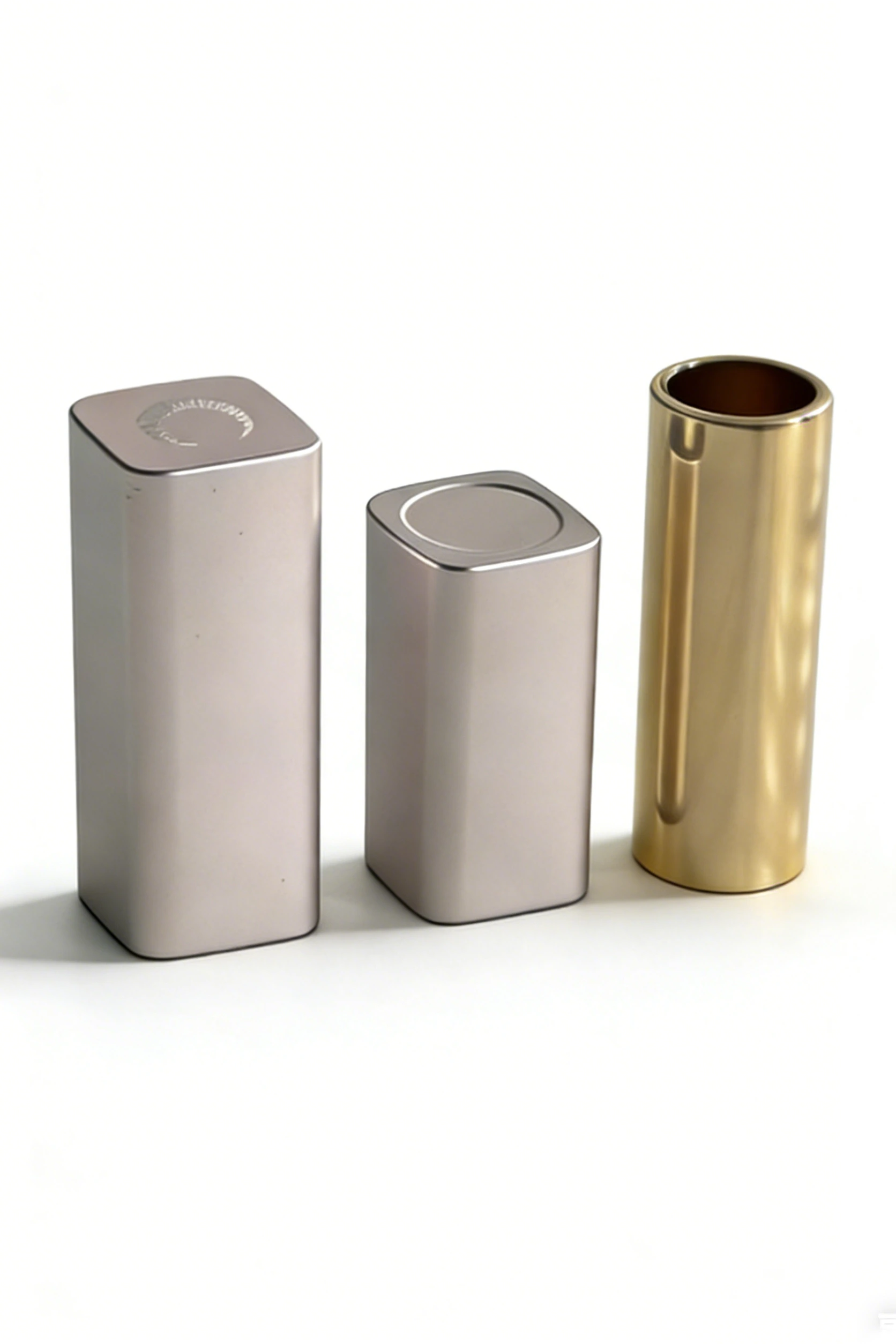
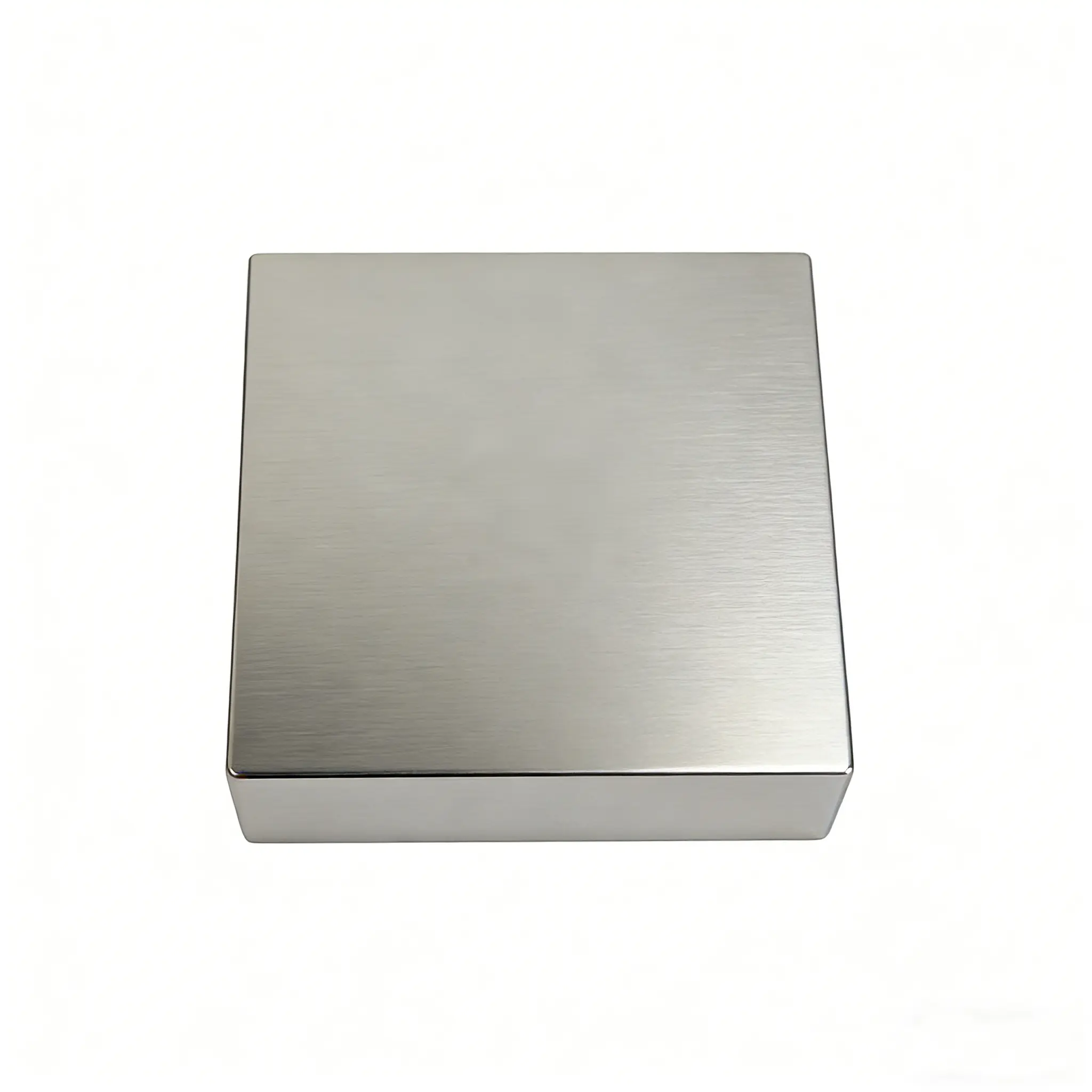
- Sand blasting / bead blasting — creates a uniform matte texture directly on aluminum tubes. No additional coating required; the finish is integral to the material. Highly durable and resistant to fingerprinting.
- Gloss / matte spray painting — the most flexible option for color customization. Compatible with ABS and aluminum. Enables Pantone-matched solid colors at relatively low MOQs (typically 2,000 units per color).
Color Matching and Finish Consistency Across Production Runs
Cross-batch color consistency is a persistent challenge in OEM packaging. Industry-standard practice requires Pantone color number specification in the purchase order, with an accepted Delta E (ΔE) tolerance of ≤1.5 under D65 illuminant for premium programs and ≤2.0 for standard programs.
Verification involves three checkpoints: an initial color-off approval on pre-production samples, a mid-production inline color pull at approximately 20% of the run, and a final OQC color comparison against the approved master sample. Suppliers should provide a color measurement report (CMR) generated by a spectrophotometer for each production lot. OEM buyers managing multiple SKUs across seasons should retain physical master samples in controlled storage to prevent reference drift.
Branding Methods and Customization Techniques for OEM Identity
Printing and Engraving Technologies for Logo Application
Logo application method is determined by substrate material, design complexity, required durability, and budget. Four techniques dominate OEM lipstick tube branding:
- Silk screen printing — cost-effective for simple, solid-color logos on cylindrical surfaces. Minimum line width: 0.3 mm. Best suited for ABS and PP. Per-unit cost is low, but setup requires a screen per color per SKU.
- Hot stamping (foil stamping) — transfers metallic or pigmented foil under heat and pressure. Produces sharp, high-contrast marks with excellent adhesion on coated surfaces. Ideal for brand names and wordmarks. Not suitable for fine halftone detail.
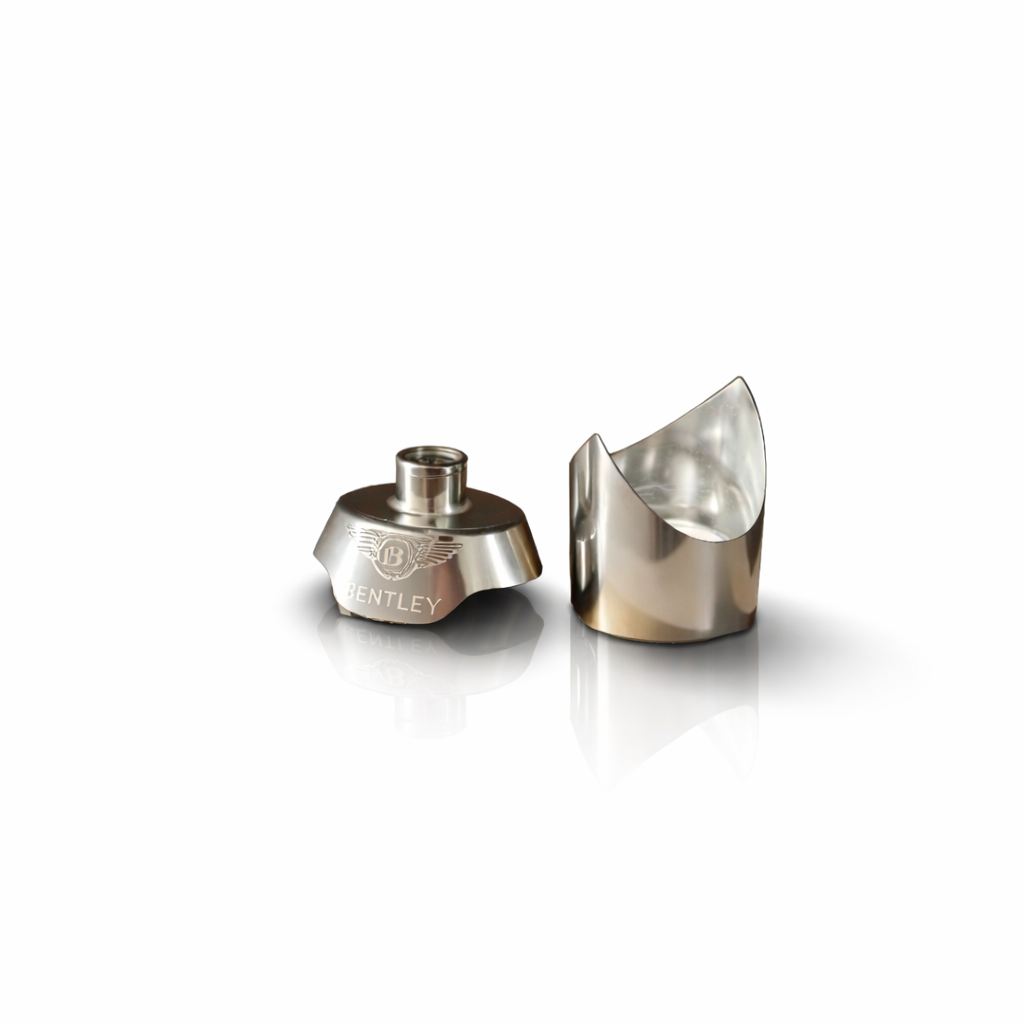
- Lasergravur — removes surface material to expose substrate or base coat beneath. Delivers the highest positional accuracy (±0.1 mm) and permanent mark durability. Best applied to anodized aluminum or UV-coated ABS. Higher per-unit cost than silk screen but zero consumables after setup.
- Heat transfer printing — enables full-color photographic imagery on curved surfaces. Useful for limited-edition or highly illustrated packaging. Requires a transfer film per design; lead time for film production is typically 7–10 days.
Custom Mold Development and Tooling Investment
Proprietary mold development gives OEM buyers exclusive packaging geometry—a key differentiator in competitive retail environments. The standard tooling process involves:
- 3D design approval — buyer submits CAD files or approves supplier-generated designs; structural draft angles (typically 1–3°) are confirmed at this stage.
- Mold fabrication — P20 or H13 steel tooling is machined via CNC and EDM. Lead time: 25–35 days for a standard single-cavity mold.
- T1 sample review — first-off samples are measured against engineering drawings; dimensional corrections are made before T2 sign-off.
- Production release — mold is transferred to the production line after buyer approval.
Tooling investment typically ranges from USD 1,500 to USD 8,000 per component depending on complexity and cavity count. Multi-cavity molds (4–8 cavities) reduce per-unit cycle time but increase upfront cost. Intellectual property ownership of the mold should be explicitly stated in the purchase agreement; standard industry practice assigns mold ownership to the buyer upon full payment of tooling fees.
Production Planning and OEM Project Execution
MOQ, Lead Time, and Capacity Scalability
Minimum order quantities for OEM lipstick tubes vary by customization level:
- Stock components with custom printing: MOQ typically 2,000–5,000 units; lead time 15–20 days after artwork approval.
- Custom color on existing mold: MOQ typically 5,000–10,000 units; lead time 20–30 days.
- Fully proprietary mold + custom finish: MOQ typically 10,000–20,000 units; lead time 45–60 days including tooling.
Production capacity scalability matters for brands with seasonal demand spikes. OEM buyers should discuss capacity reservation windows with suppliers at least 60 days before peak season. Suppliers operating multi-line injection molding facilities can typically scale from 50,000 to 500,000 units per month with 3–4 weeks’ notice, provided raw material procurement is pre-authorized.
Quality Control Checkpoints and Compliance Documentation
A three-stage quality control architecture protects OEM buyers from defect propagation:
- IQC (Eingangsqualitätskontrolle) — raw materials (resins, colorants, metal components) are inspected against approved material specs before production entry.
- IPQC (In-Prozess-Qualitätskontrolle) — dimensional checks, torque testing, and surface appearance audits are conducted at defined production intervals (typically every 500–1,000 units).
- OQC (Ausgangsqualitätskontrolle) — finished goods are inspected per AQL 2.5 (Level II) sampling plan before packing and shipment.
For compliance documentation, OEM buyers selling into EU and North American markets should require:
- REACH compliance declaration covering substances of very high concern (SVHCs)
- RoHS certification for any electronic components (relevant to magnetic closure mechanisms)
- SGS or Intertek material safety test reports for components contacting lip product
These documents should be version-controlled and reissued whenever a material or supplier changes during the production lifecycle.
FAQ
Q1: What is the minimum order quantity for fully custom OEM lipstick tubes with proprietary molds?
For programs requiring exclusive mold development, most qualified suppliers set MOQs between 10,000 and 20,000 units per SKU. This threshold reflects tooling amortization and the setup overhead of custom color and finish processes. Some suppliers offer shared-cavity tooling arrangements at lower MOQs (5,000–8,000 units), though this limits geometry exclusivity.
Q2: How do surface finish choices affect lead time and per-unit cost in OEM production runs?
Standard spray painting adds 3–5 days; electroplating adds 7–12 days due to multi-stage bath processing and drying cycles. UV coating is the fastest premium finish option. Per-unit cost premiums range from 10–15% for UV coating to 25–35% for full electroplating versus unfinished tube cost. Buyers balancing speed and visual premium should evaluate UV coating with hot-stamp logo application as an efficient middle path.
Q3: What compliance certifications should OEM buyers require from lipstick tube suppliers?
At minimum: REACH SVHC declaration, material safety data sheets (MSDS) for all resins and coatings, and an SGS or equivalent third-party test report confirming heavy metal limits in surface coatings. For EU market entry, confirm compliance with EU Cosmetics Regulation (EC) No 1223/2009 packaging material provisions. North American buyers should verify California Prop 65 compliance for any pigmented coatings.
Schlussfolgerung
Successful OEM lipstick tube development requires alignment across four interconnected dimensions: structural specifications that match filling line requirements and end-use performance standards; surface treatments that deliver consistent brand aesthetics at scale; branding techniques matched to substrate, design complexity, and budget; and production planning that connects MOQ thresholds, lead times, and quality documentation to real supply chain needs.
By addressing each dimension with precise specifications rather than general preferences, OEM buyers reduce revision cycles, protect timelines, and build supplier relationships capable of scaling with brand growth. The decision framework outlined here—from mechanism tolerances to compliance documentation—provides a structured basis for supplier briefing, sample evaluation, and production authorization that supports both first-run launches and long-term packaging programs.