
Аннотация
For fragrance brand managers and packaging procurement teams, selecting the right плечевым втулкам для парфюмерии is far more consequential than it may initially appear. These compact decorative components sit at the visual apex of the bottle — the shoulder and neck junction — and directly influence consumer perception of brand quality, luxury positioning, and shelf differentiation.
Yet sourcing decisions are frequently made without a structured evaluation framework, leading to costly fitment failures, inconsistent surface finishes across production batches, and compliance gaps in export markets. This article systematically addresses the core selection dimensions that matter most: material specifications and their trade-offs, dimensional tolerance standards that govern bottle compatibility, surface treatment options and their durability benchmarks, and the supplier capability criteria that separate reliable partners from high-risk vendors. Whether you are developing a new fragrance line or auditing your existing packaging supply chain, the technical parameters and decision criteria outlined here provide a standardized basis for procurement excellence.
1. Understanding Perfume Shoulder Sleeves: Structure & Functional Role
1.1 Product Definition and Structural Composition
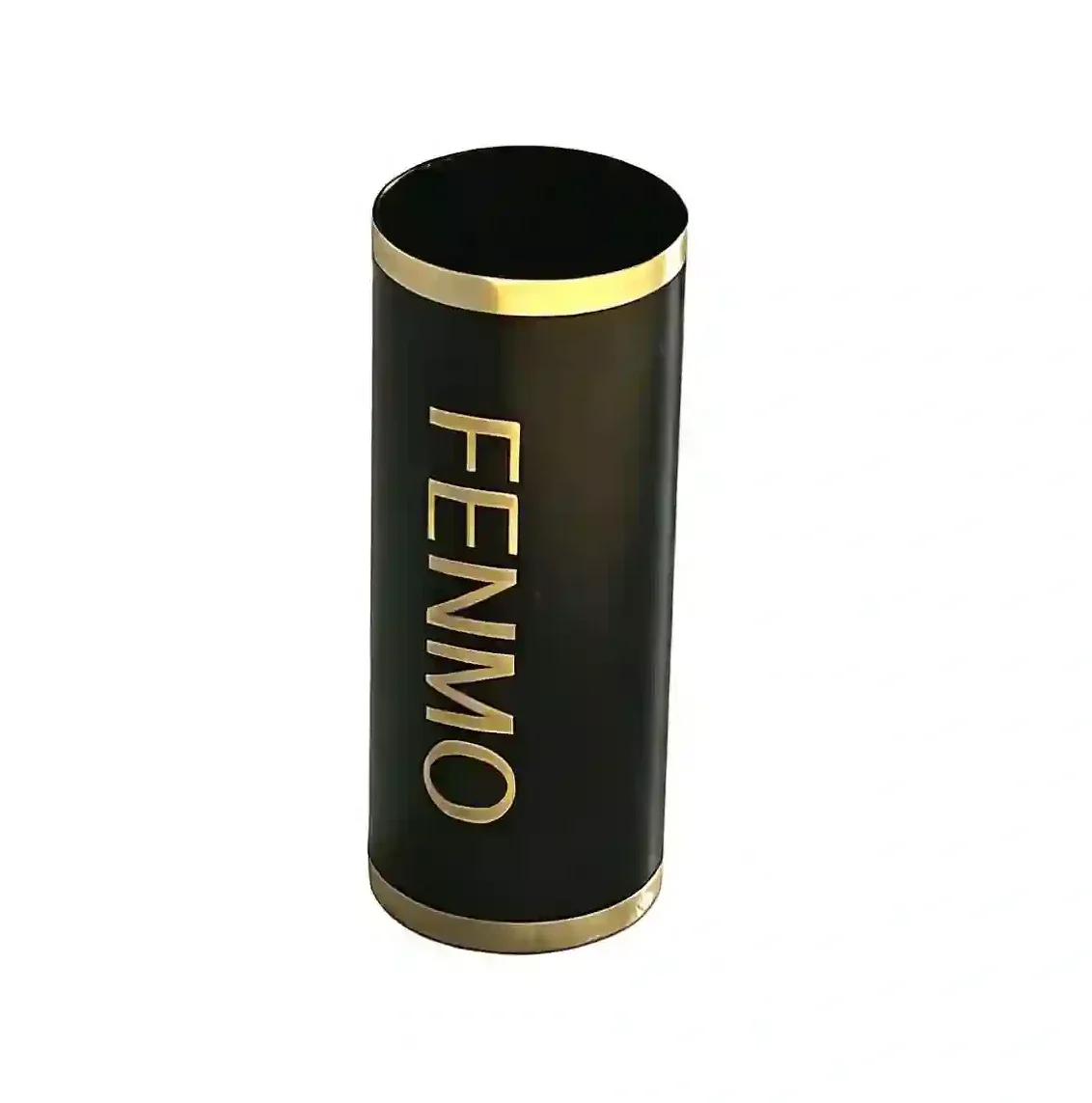
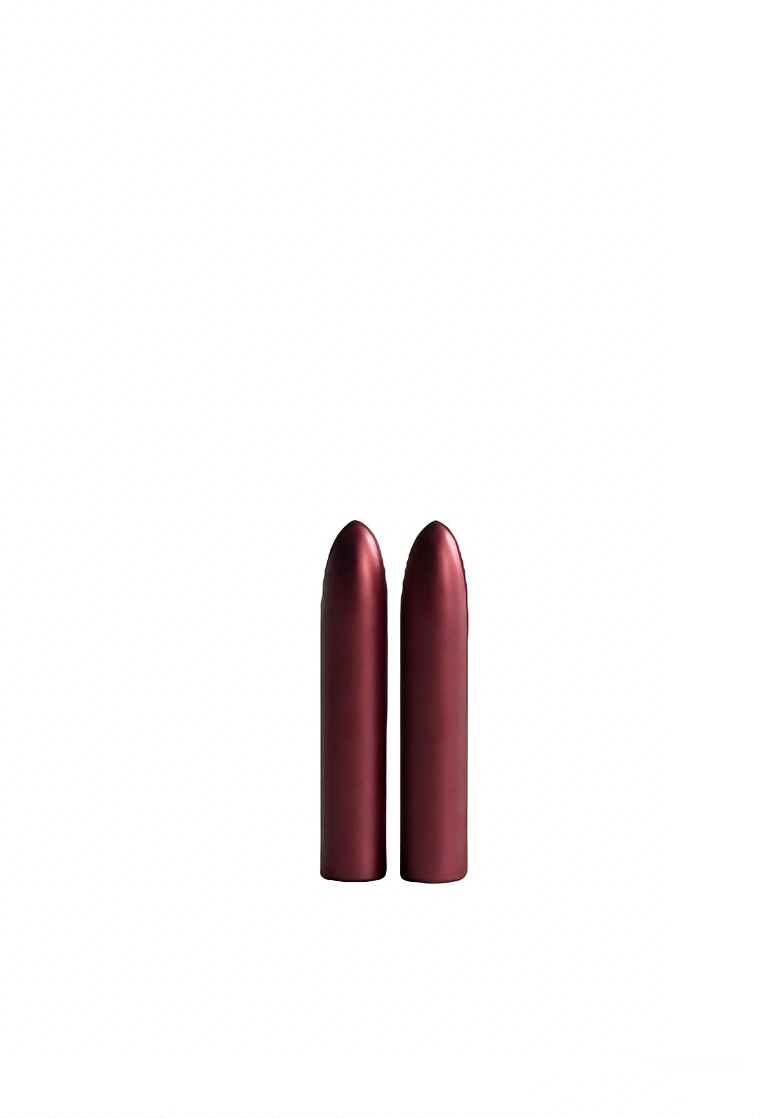
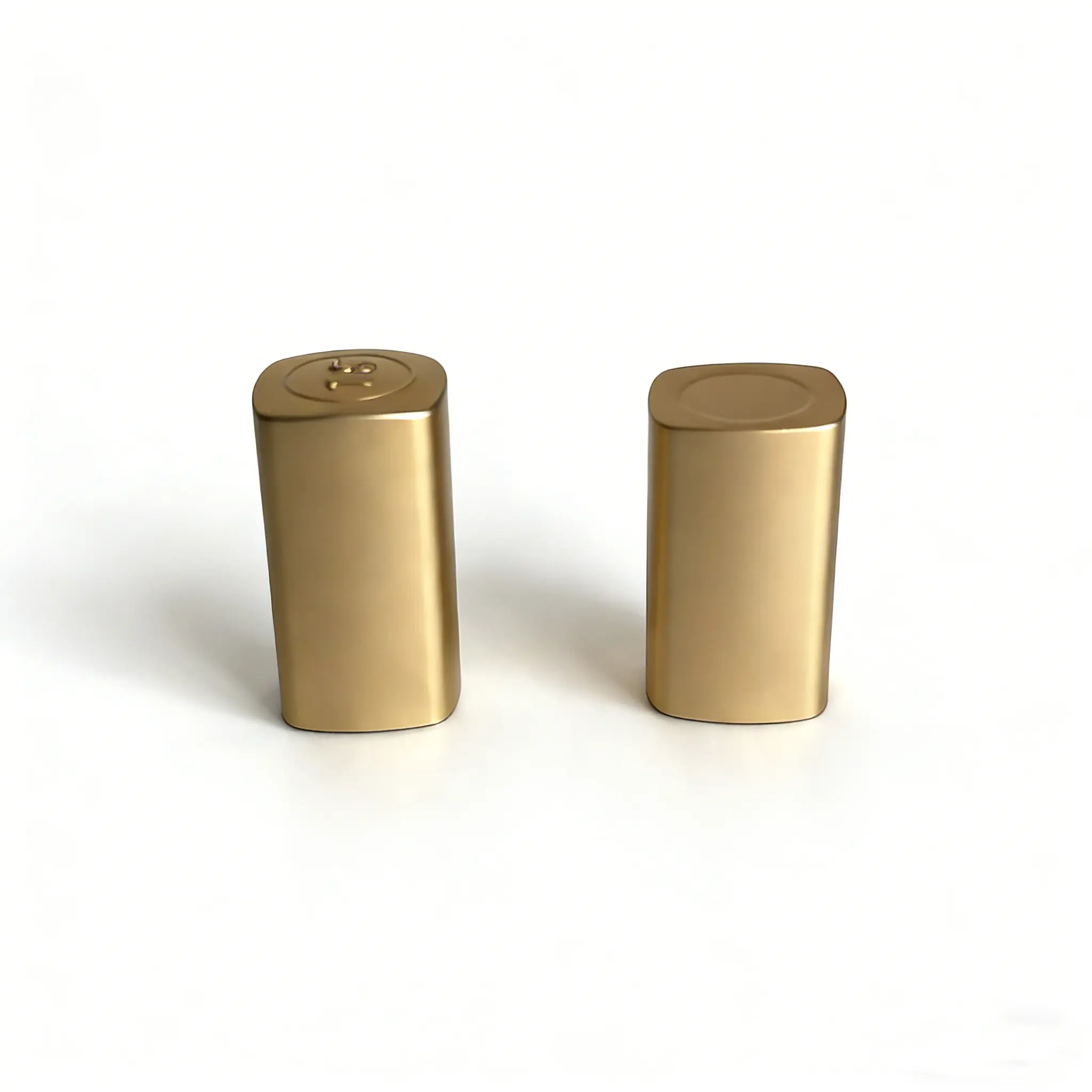
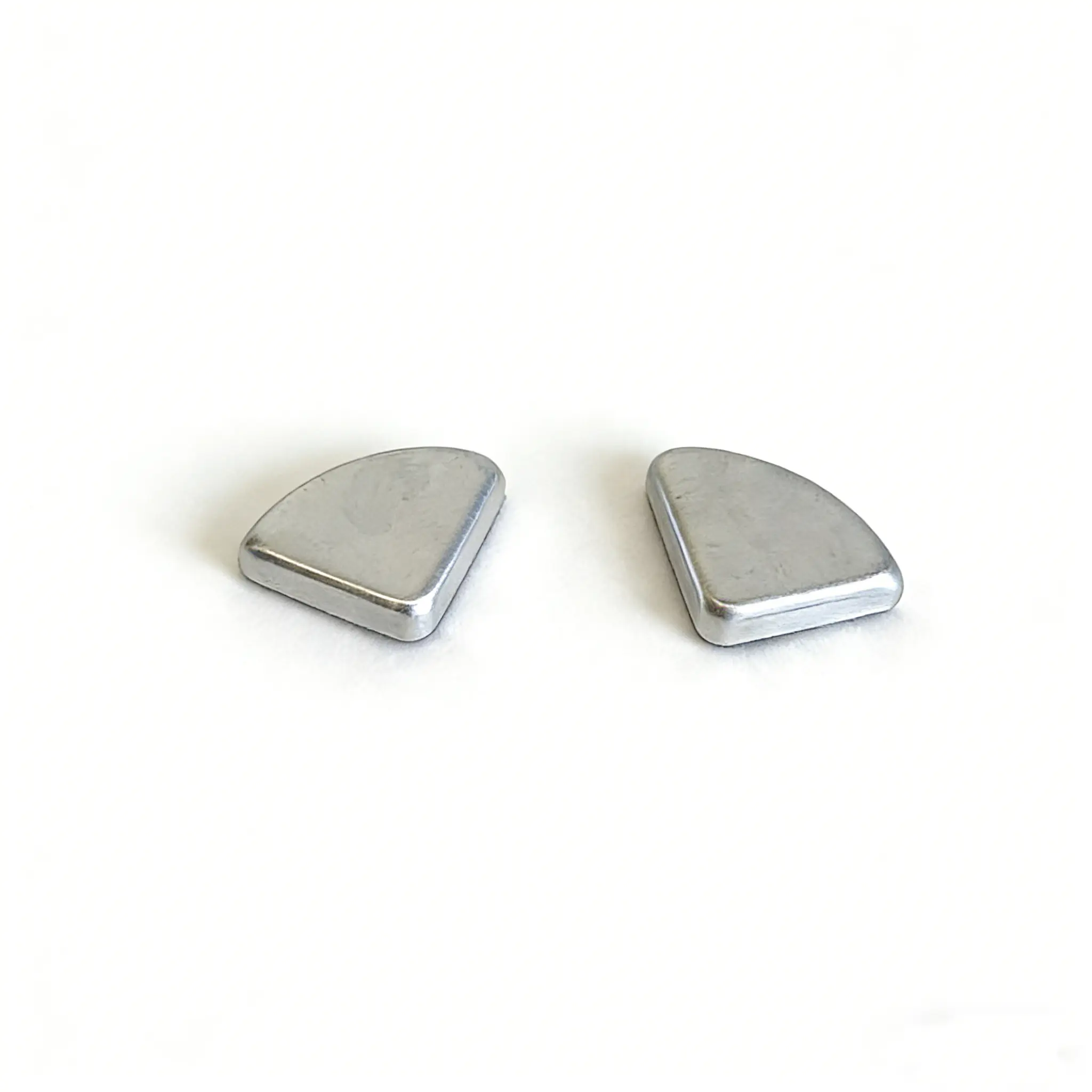
A perfume shoulder sleeve is a precision-fitted decorative ring or collar component that encircles the shoulder-to-neck transition zone of a fragrance bottle. It is structurally distinct from the bottle cap (which seals the opening) and the collar or ferrule (which typically interfaces directly with the pump or spray mechanism). The shoulder sleeve occupies the intermediate aesthetic zone — visible from the front, sides, and three-quarter angles — making it one of the highest-visibility packaging elements in the entire bottle assembly.
Structurally, shoulder sleeves are manufactured as single-piece or two-piece assemblies. Single-piece designs are die-cast or injection-molded to a fixed inner diameter, while two-piece configurations may incorporate a snap-fit or compression mechanism to accommodate minor bottleneck variations. Internal geometry — including chamfered entry edges, inner surface texture, and seating depth — directly determines how securely and consistently the sleeve positions on the bottle during assembly and throughout the product’s retail life.
1.2 Role in Fragrance Brand Packaging Strategy
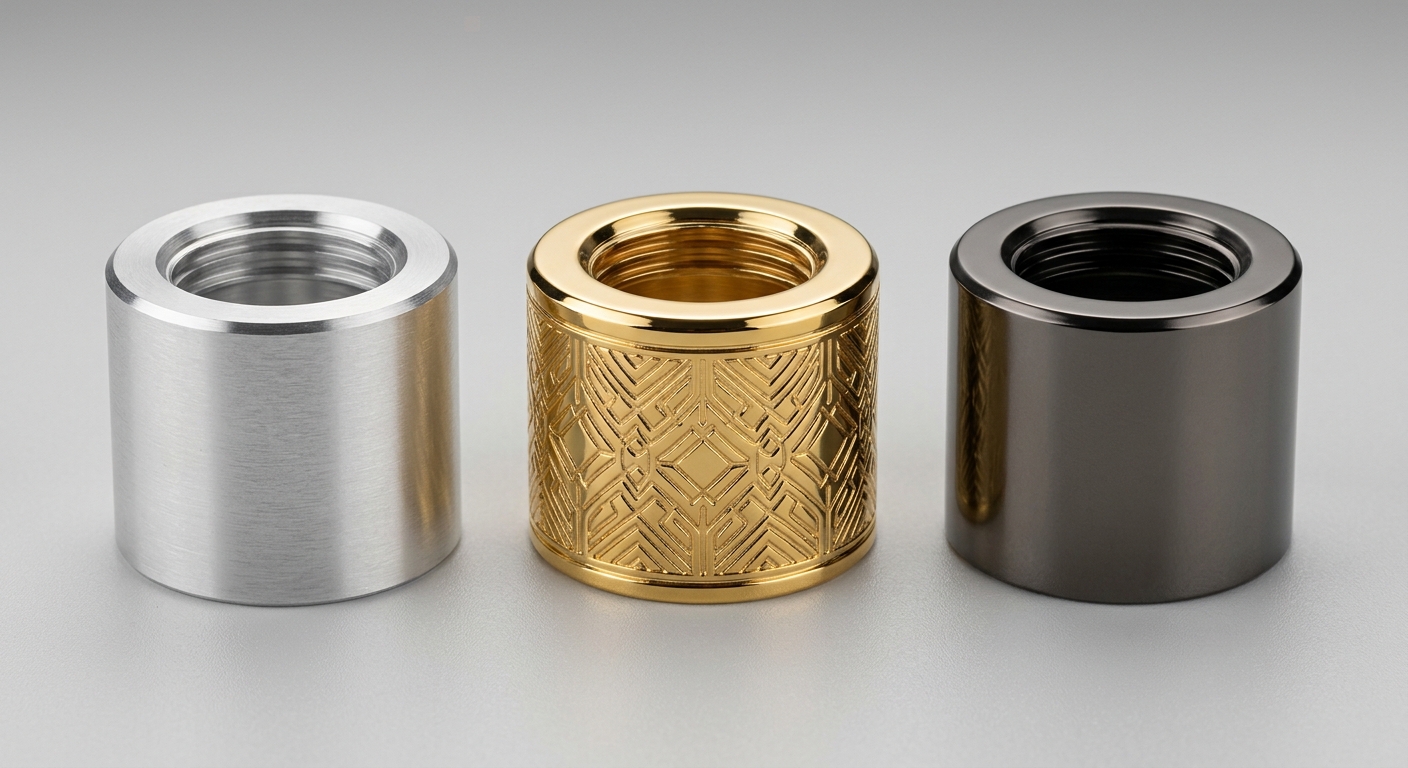
From a commercial packaging strategy perspective, shoulder sleeves serve three compounding functions. First, decorative value: the sleeve provides a distinct metallic or premium-finish band that elevates the perceived material quality of the overall bottle, particularly when the bottle body is standard glass. Second, brand identity reinforcement: sleeves offer a customizable surface for logo embossing, engraved patterns, or brand-specific geometric profiles that cannot be practically applied to the glass bottle itself. Third, shelf visual competitiveness: in a retail environment where fragrance bottles compete within centimeters of each other, the light-catching properties of a well-finished shoulder sleeve — whether high-gloss gold, brushed silver, or matte gunmetal — create immediate visual hierarchy and premium signaling that influences purchase decisions at the point of sale.
For mid-tier and luxury fragrance brands alike, the shoulder sleeve is not an accessory; it is a brand communication tool with measurable impact on retail performance.
2. Key Manufacturing Specifications to Evaluate
2.1 Material Selection: Metals, Alloys & Plastics
The three dominant material categories for perfume shoulder sleeves are Zamak alloy, aluminum, and ABS plastic. Each carries a distinct performance and cost profile that must be matched to the brand’s positioning and production volume requirements.
Zamak alloy (zinc-aluminum-magnesium-copper) is the preferred material for luxury and prestige fragrance packaging. With a density of approximately 6.6 g/cm³, Zamak delivers the substantial weight-in-hand that consumers associate with premium quality. Its excellent castability enables fine detail reproduction — sharp logo edges, complex geometric profiles, and deep engraving — that aluminum and plastics cannot match at equivalent cost. Zamak also accepts a broad range of electroplating and PVD finishes with strong adhesion.
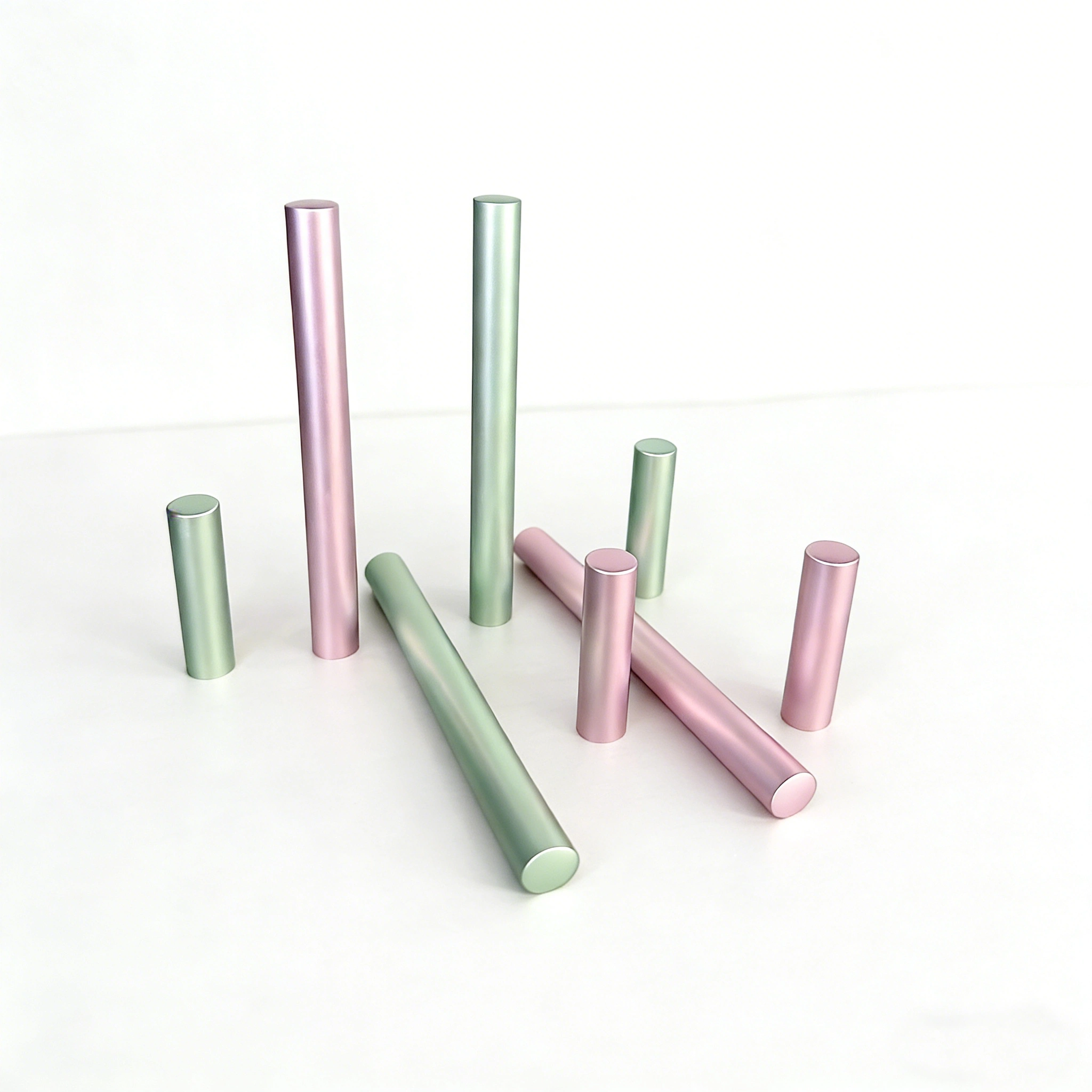
Алюминий offers a lighter alternative (density ~2.7 g/cm³) with strong corrosion resistance and good surface treatment compatibility. It is well-suited for lifestyle and contemporary fragrance brands where lightweight packaging is a design or logistics consideration. Aluminum is typically processed via CNC machining or extrusion rather than die casting, which affects per-unit cost at lower volumes.
Пластик ABS serves mass-market and entry-level fragrance lines where cost efficiency is the primary driver. While ABS can be metallized or UV-coated to simulate metal aesthetics, its lower density and surface hardness result in perceptibly lower quality in direct consumer comparison. ABS is appropriate where MOQ flexibility and rapid tooling turnaround are prioritized over premium positioning.
2.2 Dimensional Tolerance & Fit Precision Standards
Fit precision is the single most critical functional specification for shoulder sleeves. An inner diameter tolerance of ±0.05 mm represents the industry benchmark for precision-grade components; tolerances wider than ±0.1 mm introduce visible wobble, uneven seating, and assembly line rejection rates that compound into significant production losses.
Bottle neck fitment testing should be conducted using calibrated go/no-go gauges on representative samples from each production batch. Critical measurement points include the minimum inner diameter at the seating plane, the parallelism of the inner bore relative to the sleeve’s vertical axis, and the depth consistency of the seating shoulder. Batch-to-batch consistency should be validated through Cpk process capability analysis, with a minimum Cpk of 1.33 as the acceptance threshold for high-volume fragrance production.
📊 Material Specification Comparison: Perfume Shoulder Sleeves
| Specification Dimension | Zamak Alloy | Алюминий | Пластик ABS |
|---|---|---|---|
| Material Density | ~6.6 g/cm³ | ~2.7 g/cm³ | ~1.05 g/cm³ |
| Surface Finish Compatibility | Electroplating, PVD, painting | Anodizing, electroplating, PVD | Metallizing, UV coating, painting |
| Dimensional Tolerance Range | ±0.05–0.08 mm | ±0.05–0.10 mm | ±0.10–0.15 mm |
| Reference MOQ Range | 3,000–5,000 pcs | 2,000–5,000 pcs | 5,000–20,000 pcs |
| Typical Application Tier | Luxury / Prestige | Mid-range / Contemporary | Mass Market / Entry-level |
3. Surface Finish Options & Quality Control Standards
3.1 Common Surface Treatments: Plating, Coating & Engraving
Surface treatment defines the visual identity of a shoulder sleeve and accounts for a significant portion of its perceived value. The three primary treatment categories each deliver distinct aesthetic and durability profiles.
Гальваническое покрытие (gold, silver, gunmetal, rose gold) deposits a metallic layer — typically 0.3–0.5 μm for decorative applications — onto the substrate surface. Gold plating delivers warm, high-luxury visual warmth; silver provides cool contemporary elegance; gunmetal offers masculine, architectural character. Electroplating requires a copper strike layer on Zamak substrates for adhesion optimization. The visual consistency of plated batches depends critically on bath chemistry control and rack positioning uniformity during the plating process.
PVD (Physical Vapor Deposition) coating produces harder, thinner metallic finishes (typically 0.1–0.3 μm) with superior abrasion resistance compared to conventional electroplating. PVD is increasingly preferred for luxury fragrance packaging where scratch resistance during retail handling is a brand protection concern. PVD finishes are available in gold, silver, black, bronze, and custom color targets, and can be applied over both metal and plastic substrates.
Лазерная гравировка enables permanent, high-resolution pattern and logo application directly onto the sleeve surface without additional chemical processes. Engraving depth typically ranges from 0.05–0.2 mm, with line resolution sufficient for fine typographic detail. Laser-engraved elements can be filled with color lacquer or left as raw metal contrast for a sophisticated two-tone effect.
3.2 Quality Inspection Criteria for Finish Consistency
Rigorous finish quality control requires standardized testing protocols applied at incoming inspection and pre-shipment stages. Key benchmarks include:
- Adhesion testing: Cross-cut tape test (ISO 2409, grid spacing 1 mm) with a pass criterion of Grade 0–1 (zero or minimal detachment).
- Salt spray resistance: Neutral salt spray test (ISO 9227) with a minimum 48-hour requirement for standard finishes and 96+ hours for premium electroplated or PVD-coated components destined for export markets.
- Color consistency: ΔE (CIE 2000) ≤ 1.5 between batch samples and approved color standard; ΔE ≤ 1.0 for luxury tier specifications.
- AQL sampling: Outgoing quality control should apply AQL 2.5 for major defects (color deviation, adhesion failure, dimensional non-conformance) and AQL 4.0 for minor cosmetic defects, based on ANSI/ASQ Z1.4 sampling tables.
4. Supplier Evaluation & Compliance Considerations
4.1 Certifications and Industry Compliance Requirements
For fragrance brands exporting to European and North American markets, supplier compliance is non-negotiable. The two foundational regulatory frameworks are:
REACH (Registration, Evaluation, Authorisation and Restriction of Chemicals): Shoulder sleeve components must be free of Substances of Very High Concern (SVHCs) above 0.1% w/w threshold. This is particularly relevant for surface treatment chemicals and alloy compositions. Suppliers should provide up-to-date REACH compliance declarations with each material lot.
RoHS Directive: While primarily targeting electronic equipment, RoHS compliance is increasingly requested by major European retailers for all packaging components. Suppliers should confirm restriction of lead, cadmium, mercury, hexavalent chromium, and specified brominated flame retardants.
ISO 9001:2015 certification validates that the supplier operates a documented quality management system covering design control, process monitoring, corrective action, and customer complaint handling. For high-volume fragrance packaging procurement, ISO 9001 certification is a baseline expectation, not a differentiator.
4.2 Assessing a Perfume Shoulder Sleeves Supplier’s Capabilities
Beyond certifications, operational capability assessment should cover five dimensions:
- Sampling lead time: Best-in-class suppliers deliver dimensionally accurate pre-production samples within 15–20 working days from drawing confirmation. Extended sampling cycles (>30 days) indicate tooling capacity constraints.
- Mold ownership terms: Clarify whether tooling investment grants the buyer exclusive ownership, co-ownership, or supplier-retained ownership. Buyer-owned tooling protects against supply disruption and enables multi-source production.
- Customization depth: Evaluate the supplier’s capability for logo die-casting integration, asymmetric profile development, and multi-component assembly — not just standard catalog shapes.
- On-time delivery performance: Request documented OTD (on-time delivery) rate data for the preceding 12 months. A reliable fragrance packaging supplier should maintain ≥95% OTD against confirmed purchase orders.
- Communication and technical responsiveness: Assess the supplier’s ability to provide DFM (Design for Manufacturability) feedback, tolerance analysis reports, and corrective action documentation in English or the buyer’s working language.
1. Как долго подводка для глаз остаётся стабильной в тубе JY4027A/B?
Q1: What is the standard inner diameter tolerance for perfume shoulder sleeves, and how does it affect bottle fitment?
The industry precision benchmark is ±0.05 mm for Zamak and aluminum sleeves. Tolerances beyond ±0.1 mm result in perceptible wobble on the bottle neck, uneven seating that creates visible gaps, and elevated assembly rejection rates. For high-volume fragrance lines, even a 0.5% rejection rate compounds into thousands of units per production run — making tight dimensional control a direct cost factor, not merely a quality preference.
Q2: Which surface finish is most durable for high-end fragrance packaging — electroplating or PVD coating?
PVD coating delivers superior hardness (typically 1,500–2,500 HV versus 150–300 HV for standard gold electroplating) and significantly better scratch and abrasion resistance. For luxury fragrance bottles that experience frequent retail handling, PVD is the recommended choice for long-term finish integrity. Electroplating remains preferred where specific color warmth, high-gloss depth, or cost constraints are primary considerations.
Q3: What certifications should a reliable perfume bottle shoulder sleeves supplier hold for export to European markets?
At minimum: REACH compliance documentation, RoHS declaration of conformity, and ISO 9001:2015 certification. For brands targeting premium European retailers, additional documentation including material safety data sheets (MSDS/SDS) for surface treatment chemicals and third-party test reports from accredited laboratories (SGS, Intertek, Bureau Veritas) significantly strengthen supplier qualification.
Заключение
Selecting quality perfume shoulder sleeves requires a disciplined, multi-dimensional evaluation framework that goes well beyond price comparison. Material selection — Zamak for luxury weight and detail fidelity, aluminum for lightweight contemporary applications, ABS for cost-sensitive volume production — must be matched to brand positioning and fitment requirements. Dimensional tolerance standards at the ±0.05 mm level are non-negotiable for consistent bottle assembly. Surface finish selection should balance aesthetic goals against durability benchmarks validated through standardized adhesion and salt spray testing. Supplier qualification must encompass regulatory compliance (REACH, RoHS, ISO 9001), tooling ownership clarity, and demonstrated customization capability.
Procurement teams that apply these standardized parameters — combined with pre-production sample validation and ongoing batch inspection — build the supply chain consistency that fragrance brands require to maintain packaging quality at scale. The shoulder sleeve is a small component with an outsized impact on brand perception; it deserves the same rigorous sourcing discipline applied to any other critical packaging element.