
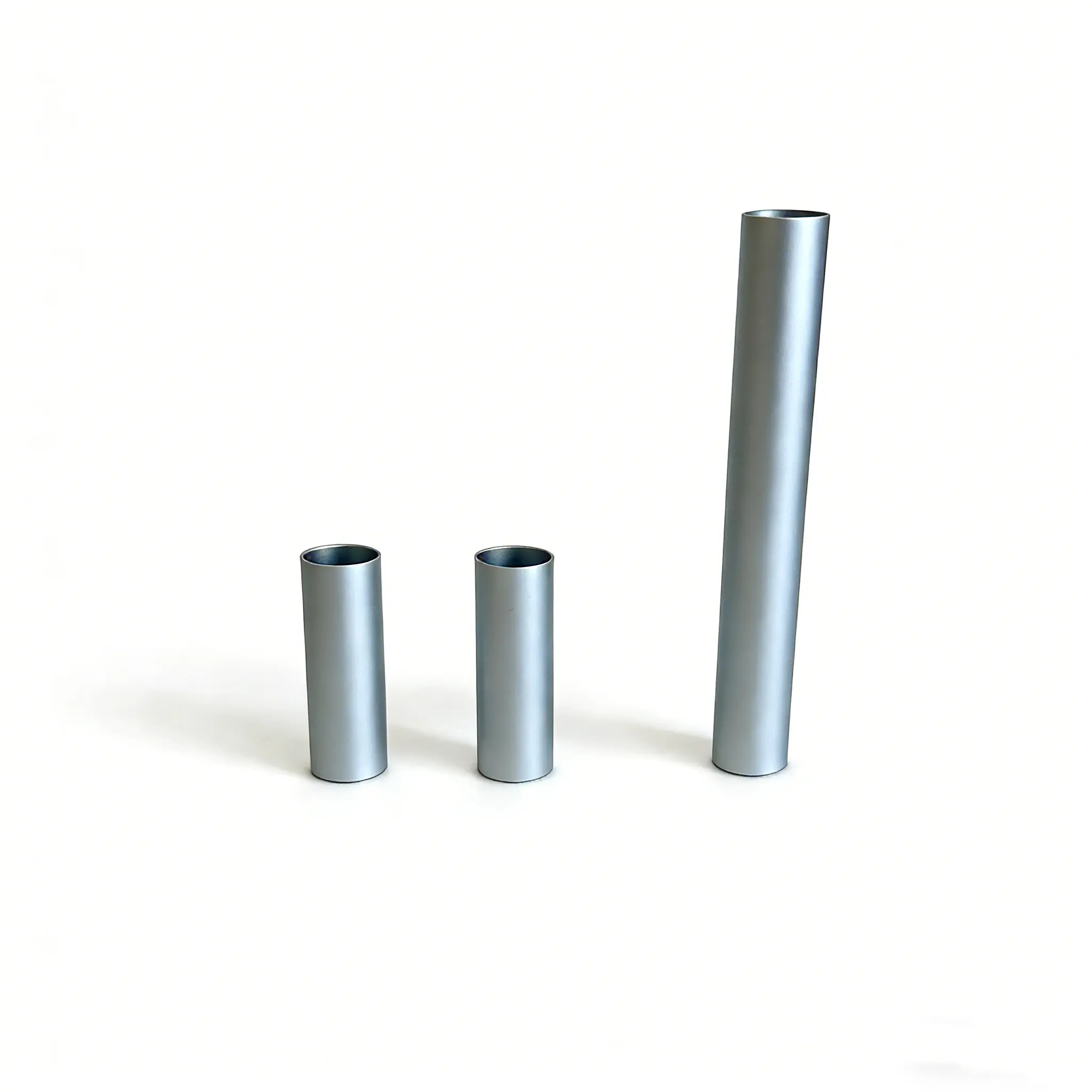
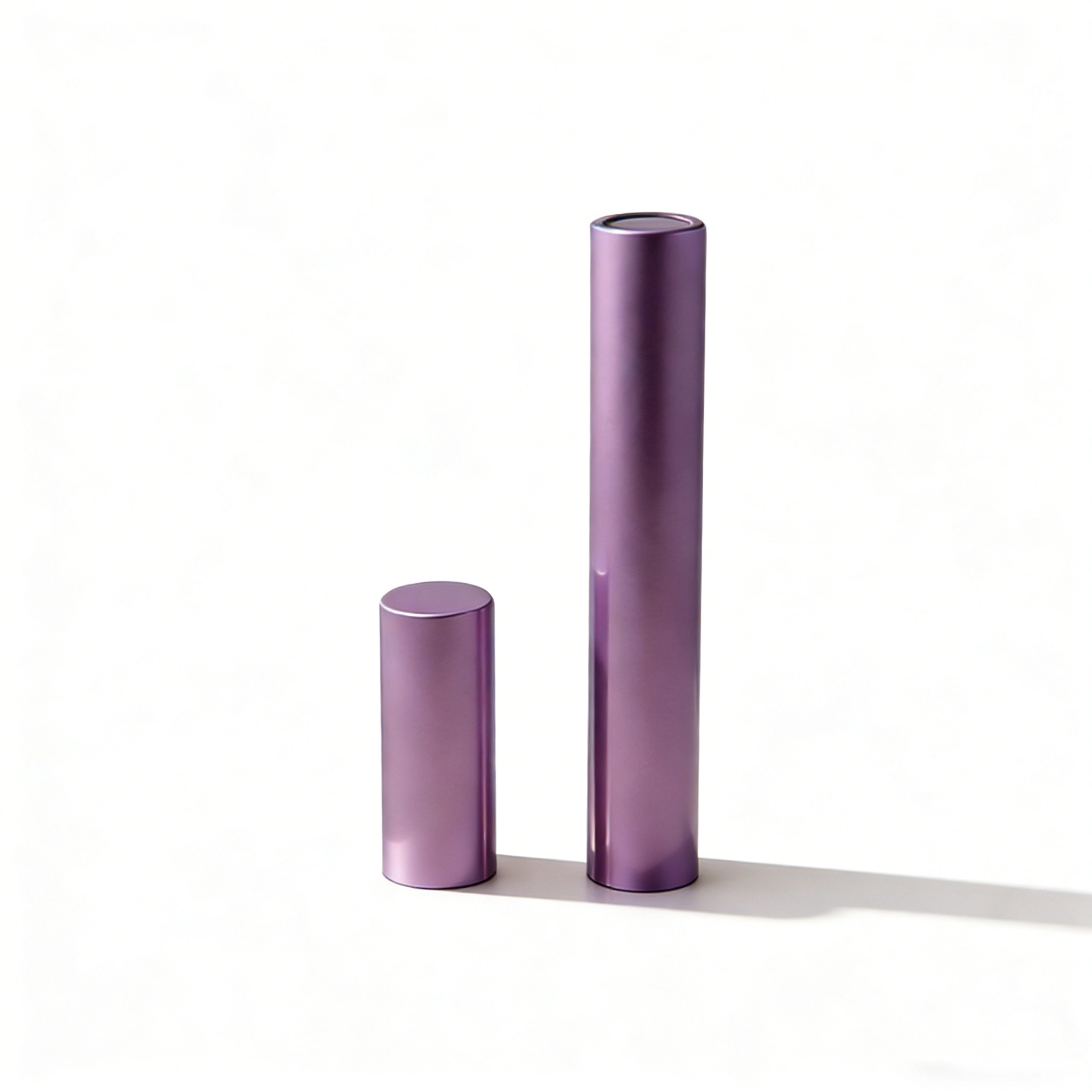

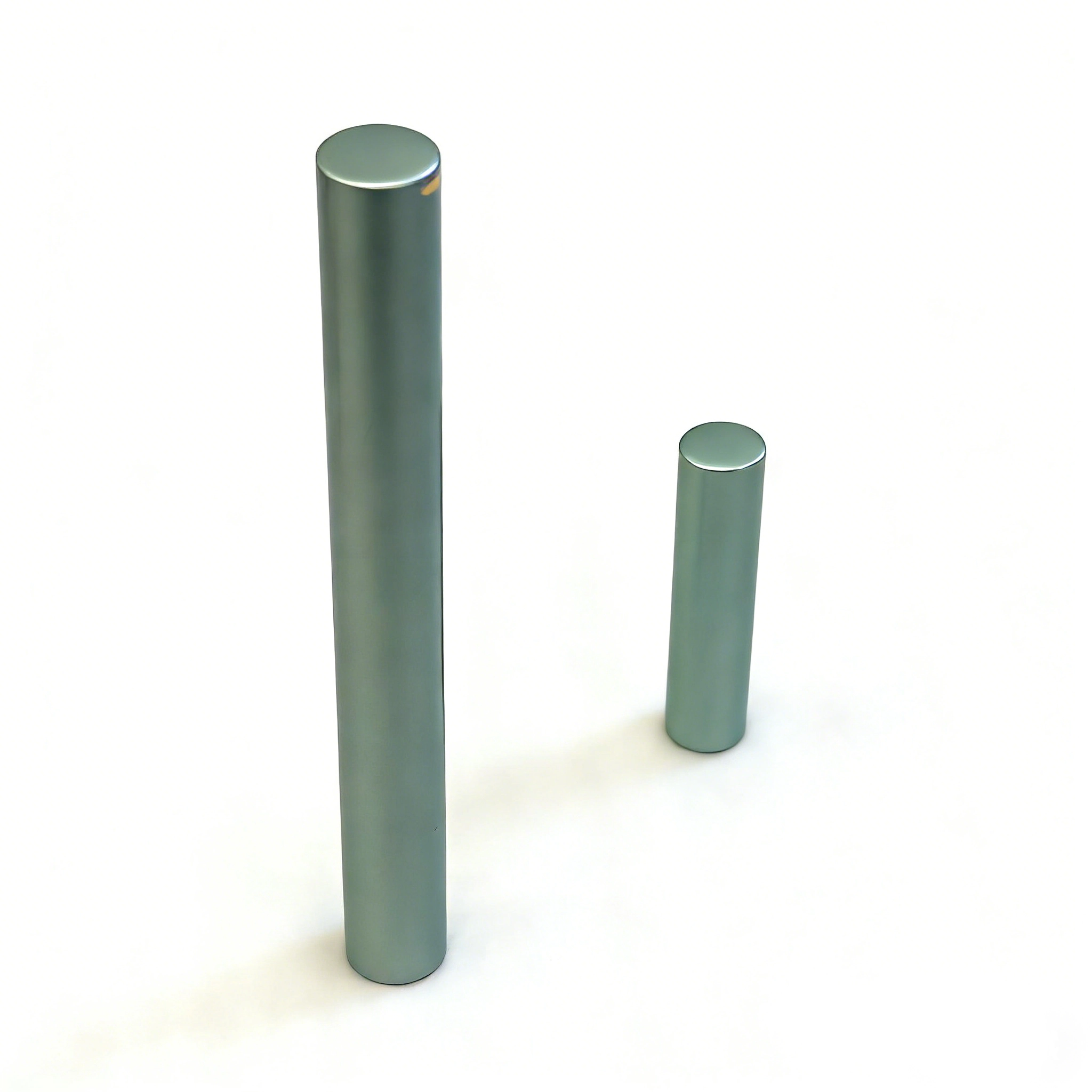
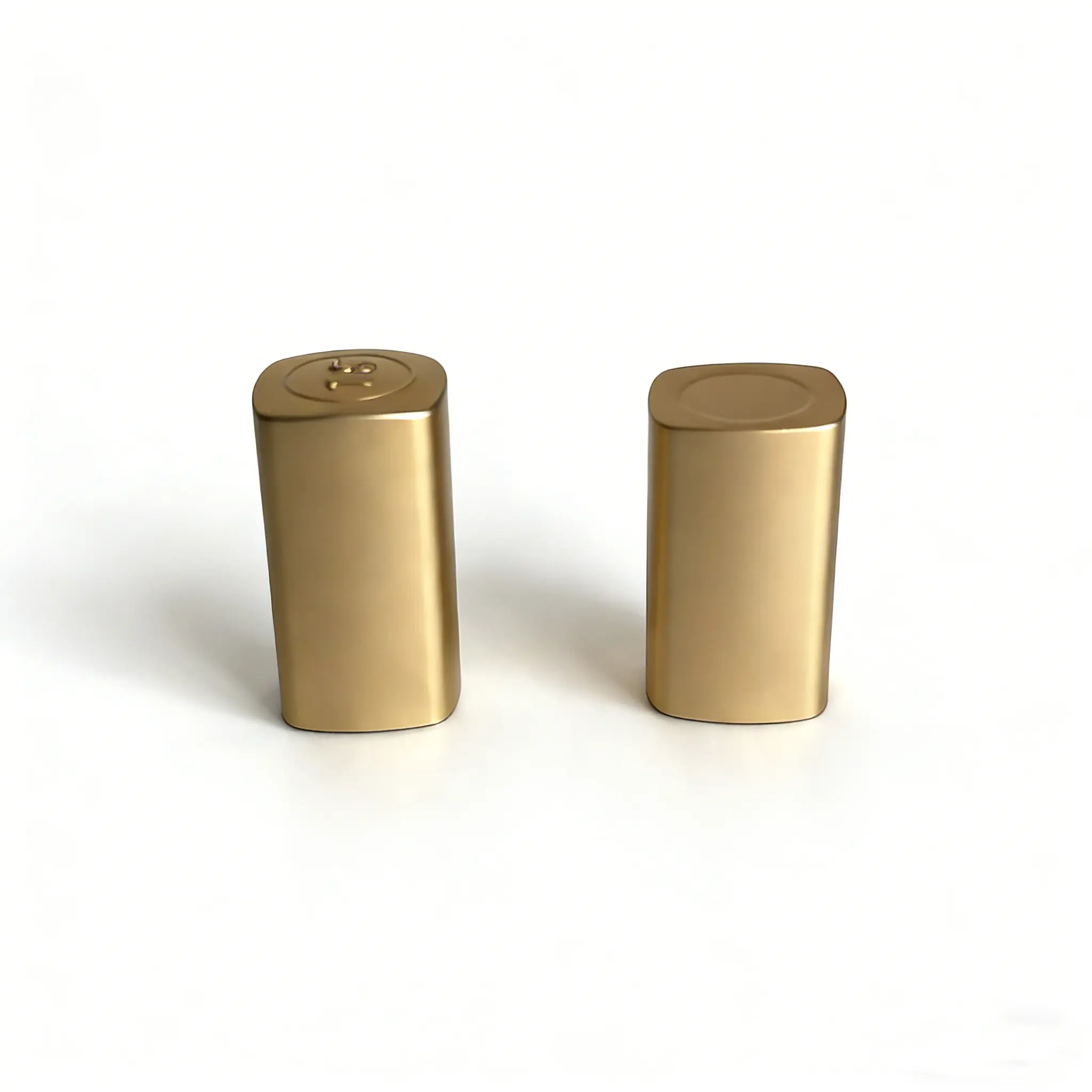
For cosmetic brand owners and procurement managers, lead time is the variable that can make or break a product launch. Ask six eyeliner tube factories for a quote and you’ll likely receive six different numbers — ranging from 25 days to 75 days — with little transparency about what those numbers actually include. The gap between quoted and actual delivery is not accidental; it’s structural.
This article benchmarks real production timelines across six factory scenarios, from small OEM operations to large integrated manufacturers. It dissects the stages that factories routinely omit from their quoted lead times, identifies the supply chain nodes most likely to cause slippage, and gives procurement teams a practical framework for negotiating smarter contracts. Whether you’re launching a new eyeliner SKU or managing a quarterly reorder cycle, the data here will help you build a timeline that holds.
Understanding the Eyeliner Tube Production Timeline
Standard Lead Time Benchmarks Across Factory Types
Eyeliner tube lead times vary significantly based on factory scale, order volume, and whether custom tooling is required. Across six real-world sourcing scenarios, the following patterns emerge:
Small OEM factories (MOQ: 1,000–5,000 units) typically quote 25–35 days for bulk production but rarely have in-house tooling capability. Mold fabrication is outsourced, adding 10–15 days that are often excluded from the initial quote. Sample lead time runs 7–12 days, assuming standard components are available.
Mid-tier manufacturers (MOQ: 5,000–20,000 units) offer more predictable timelines — 30–45 days for bulk production — because they maintain partial component inventory and have established tooling partners. Sample turnaround is typically 5–8 days.
Large integrated manufacturers (MOQ: 20,000+ units) provide the most reliable schedules: 35–50 days for bulk, inclusive of in-house tooling, filling, and packaging. Their sample lead time (3–5 days) is fastest, but minimum order requirements limit accessibility for smaller brands.
| Factory Scale | MOQ Range | Sample Lead Time | Bulk Production Lead Time | Tooling/Mold Time Included? | Delay Risk Level |
|---|---|---|---|---|---|
| Small OEM | 1,000–5,000 | 7–12 days | 25–35 days | No | Korkea |
| Small OEM (stocked molds) | 1,000–3,000 | 3–5 days | 20–28 days | EI SOVELLA | Keskisykoinen |
| Mid-Tier | 5,000–20,000 | 5–8 days | 30–45 days | Partial | Keskisykoinen |
| Mid-Tier (rush line) | 5,000–10,000 | 4–6 days | 28–38 days | Partial | Keskisykoinen |
| Large Integrated | 20,000–100,000 | 3–5 days | 35–50 days | Yes | Matala |
| Large Integrated (dedicated line) | 50,000+ | 2–4 days | 30–45 days | Yes | Matala |
What’s Actually Included in a “Lead Time” Quote
Most factory lead time quotes cover only the filling and assembly window — the period from when components are on the production floor to when finished goods are packed. What they routinely exclude:
- Tooling and mold fabrication: 10–20 days for custom structural modifications
- Component procurement lead time: 7–15 days if specialty wands, brush tips, or inner barrels must be sourced externally
- Color matching and approval cycles: 5–10 days per iteration, with 2–3 rounds common for custom pigments
- Printing and decoration: Hot stamping and silk screening add 3–7 days post-assembly
- QC hold periods: 2–5 days for in-line testing before release authorization
When these stages are mapped sequentially, the real production timeline for a custom eyeliner tube order with private label packaging typically runs 45–75 days, not the 25–35 days commonly quoted.
Root Causes of Eyeliner Tube Production Delays
Component & Material Supply Chain Bottlenecks
Eyeliner tubes are multi-component assemblies: outer barrel, inner barrel, wand, applicator tip (brush, felt tip, or micro-fiber), and cap. Each component can originate from a different supplier, and each represents a potential scheduling failure point.
The most common bottleneck is the applicator tip. Precision brush tips and fine-liner felt nibs are typically sourced from specialized subcontractors. When demand spikes — particularly around Q3 and Q4 seasonal launches — lead times for these components extend from 7 to 20+ days without warning.
Pigment raw materials represent the second major risk node. Custom shades requiring non-standard colorant blends depend on chemical suppliers whose lead times fluctuate with raw material availability. A single out-of-stock pigment concentrate can delay