
Zusammenfassung
Parfüm-Schulterhüllen are precision-engineered packaging components that wrap around the upper neck and shoulder zone of a fragrance bottle, serving both structural and decorative functions. Unlike caps or collars — which sit atop the bottle or secure the pump mechanism — shoulder sleeves occupy the transitional geometry between the bottle’s widest shoulder point and the base of the neck, creating a distinct visual and tactile band.
For fragrance brand owners and packaging designers, this component represents one of the most cost-efficient levers available to elevate perceived product value. A well-specified shoulder sleeve can transform a standard glass bottle into a luxury retail object without requiring new bottle tooling or full packaging redesigns. This guide examines the anatomy, material science, dimensional specifications, surface decoration techniques, compliance requirements, and commercial benefits of perfume shoulder sleeves — providing procurement managers and packaging designers with a definitive reference for confident sourcing decisions.
1: Understanding Perfume Shoulder Sleeves as a Packaging Component
1.1: Definition, Structure, and Functional Role
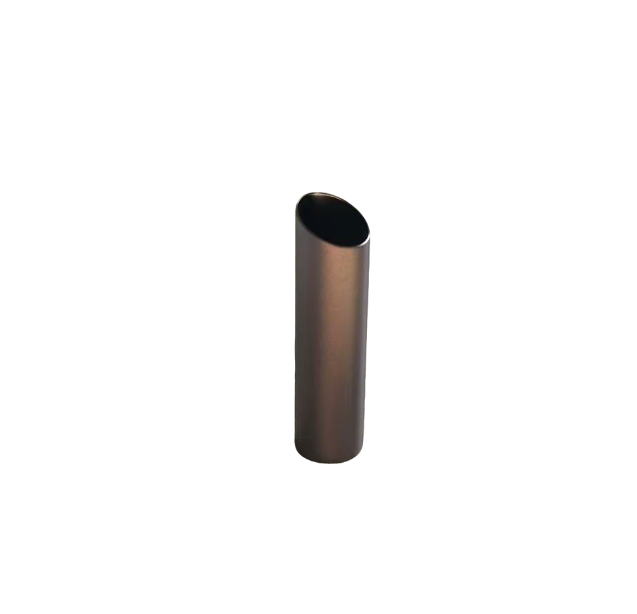
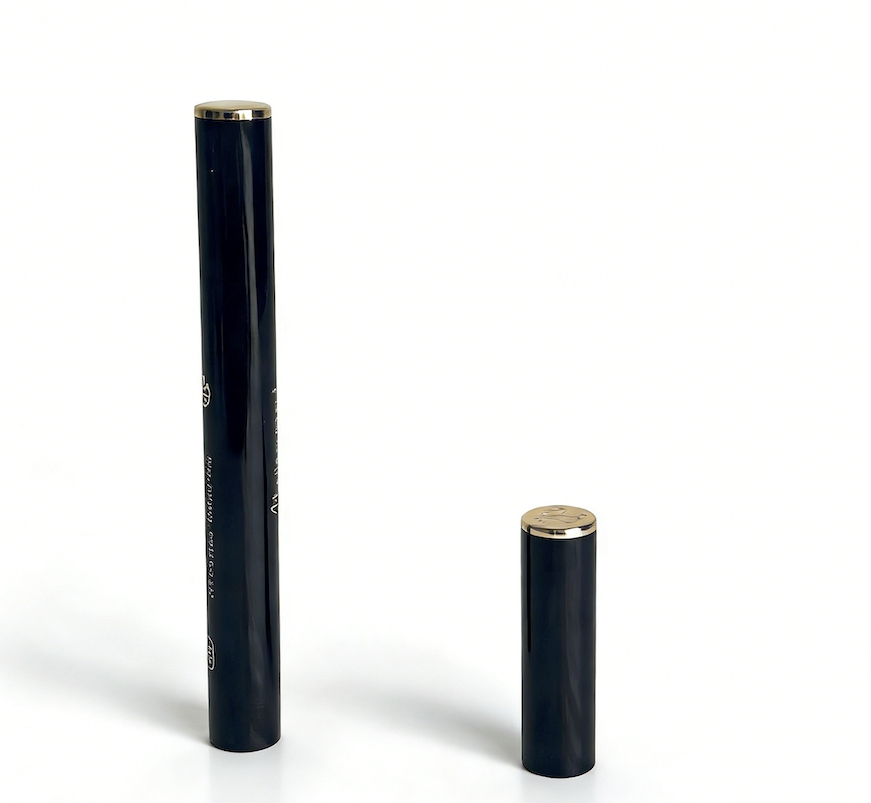
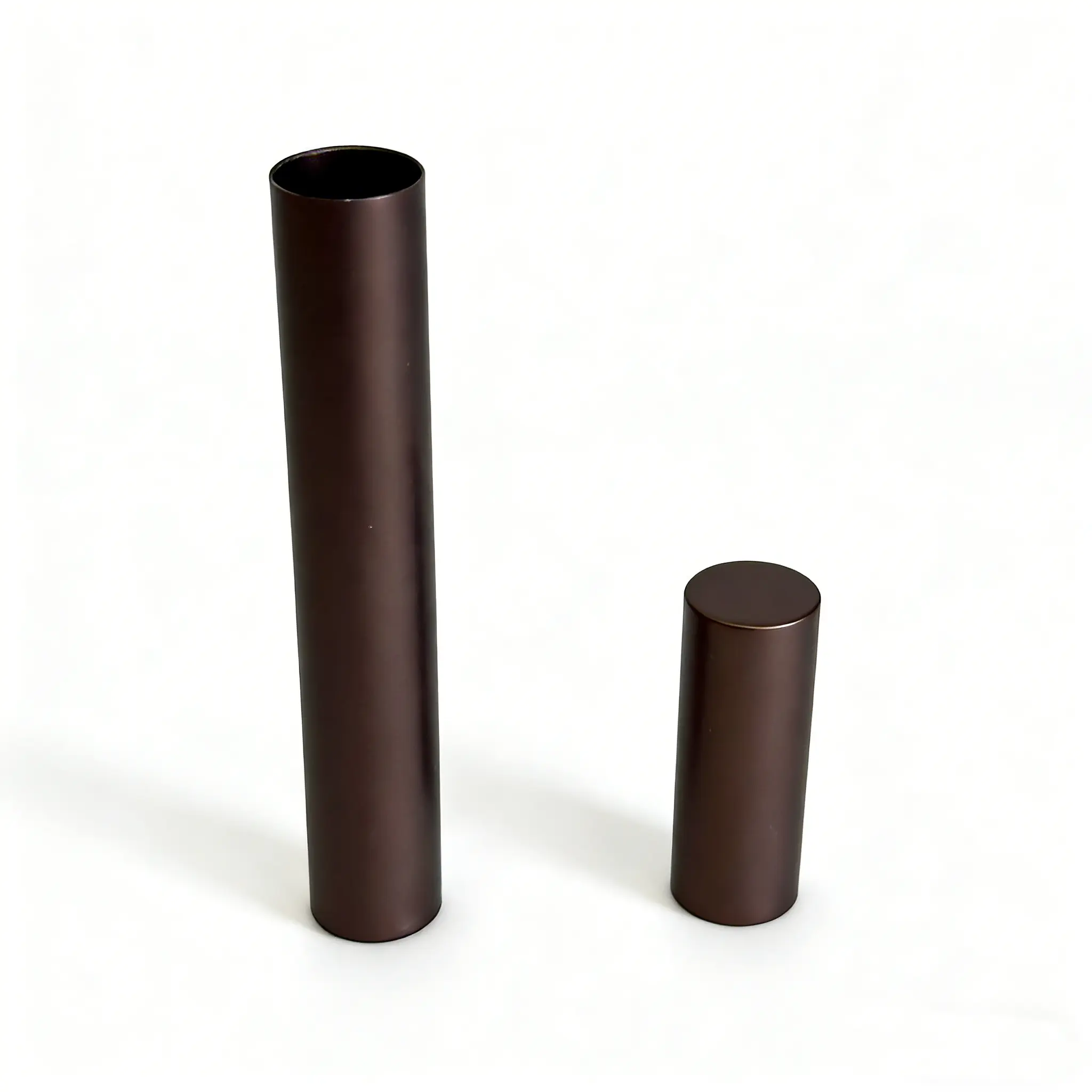
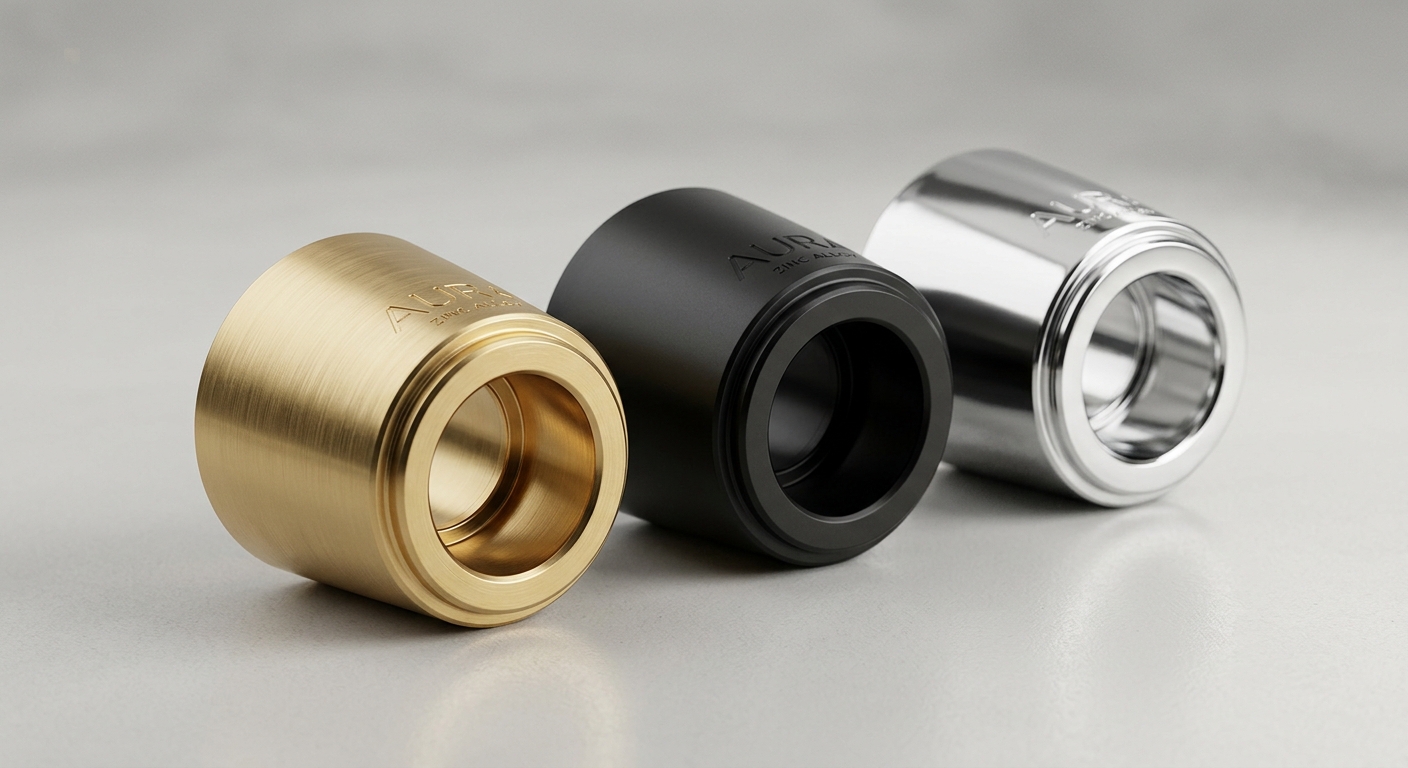
A perfume shoulder sleeve is a rigid or semi-rigid band component engineered to fit precisely over the shoulder-to-neck transition zone of a fragrance bottle. Its anatomy consists of three primary zones: the lower collar edge, which seats flush against the bottle’s shoulder curve; the body surface, which provides the primary visible and decorative area; and the upper fitment ring, which interfaces with the neck and, in some configurations, the pump ferrule or cap base.
This component is functionally distinct from a bottle cap (which seals the dispensing mechanism) and a neck collar (which typically refers to a narrower ring at the base of the atomizer). The shoulder sleeve occupies a larger surface area and carries greater branding real estate than either of these components.
Structurally, the sleeve stabilizes the visual proportion of the bottle, masking the raw glass-to-metal transition at the neck and creating a unified design language between the bottle body and the cap. In premium fragrance packaging, this continuity of material and finish is a critical signal of quality to the end consumer.
1.2: Common Materials and Manufacturing Processes
The four dominant materials used in shoulder sleeve production each offer distinct performance and aesthetic profiles:
- Zinc Alloy (Zamak): The industry standard for luxury-tier sleeves. High density delivers perceptible weight and premium tactile feedback. Compatible with electroplating (gold, silver, gun-metal), PVD coating, and enamel infill. Typical unit weight: 8–25g depending on geometry.
- ABS Plastic: Preferred for mass-market and mid-range applications. Lightweight, injection-moldable to complex geometries, and receptive to UV coating, metallization, and Pantone-matched lacquering. Significantly lower tooling and unit cost than metal.
- Aluminum: Offers a balance between weight reduction and metallic aesthetics. Anodizing provides a durable, scratch-resistant surface in a broad color spectrum. Common in niche and contemporary fragrance brands seeking a modern, industrial aesthetic.
- Acrylic (PMMA): Used where optical clarity or translucency is a design requirement. Can be cast, machined, or injection-molded. Accepts UV printing and laser engraving with high precision.
Manufacturing processes include die casting (zinc alloy), injection molding (ABS, acrylic), and CNC machining or extrusion (aluminum). Post-process finishing — electroplating, anodizing, UV coating, and physical vapor deposition (PVD) — determines the final visual and durability outcome.
2: Design Specifications and Customization Parameters
2.1: Dimensional Standards and Bottle Compatibility
Dimensional accuracy is non-negotiable in shoulder sleeve specification. The primary tolerance parameters are:
- Neck diameter fitment: Inner bore tolerances typically held to ±0.1–0.2mm for press-fit applications. Looser tolerances (±0.3mm) are acceptable for adhesive-bonded configurations.
- Shoulder angle matching: The lower collar edge must mirror the bottle’s shoulder curve. Suppliers require a 2D technical drawing or 3D CAD file of the bottle geometry to produce a matched tool.
- Fitment types: Press-fit (interference fit, no adhesive), adhesive-bonded (epoxy or UV-cure adhesive applied during filling line assembly), and threaded (rare, used in refillable luxury formats).
Universal sizing exists for standard neck diameters (13mm, 15mm, 18mm FEA/GPI standards), but bespoke tooling is required for proprietary bottle geometries. Tooling investment for a custom zinc alloy sleeve typically ranges from $1,500–$5,000 USD depending on complexity, amortized across production volume.
2.2: Surface Decoration and Branding Techniques
The shoulder sleeve’s body surface is the primary canvas for brand identity expression. Key techniques include:
- Embossing/Debossing: Raised or recessed logos and patterns created at the tooling stage. Zero additional per-unit cost once the die is cut.
- Lasergravur: High-precision line work and text applied post-finishing. Suitable for serialization, limited-edition numbering, or fine detail work on aluminum and acrylic.
- Hot Stamping: Foil transfer of metallic or holographic films onto ABS or acrylic surfaces. Cost-effective for high-volume runs with consistent logo placement.
- Pantone Color Matching: Lacquer or powder coat applied to achieve exact brand color specification. Critical for brand consistency across packaging components.
- Enamel Infill: Recessed areas filled with colored enamel, common in luxury zinc alloy sleeves to create a jewelry-grade aesthetic.
Perfume Shoulder Sleeve Material & Finish Comparison
| Material | Typical Weight (g) | Finish Options | MOQ (Einheiten) | Lieferzeit | Cost Tier | Am besten geeignet für |
|---|---|---|---|---|---|---|
| Zinc Alloy | 8–25 | Electroplating, PVD, enamel infill | 1,000–3,000 | 45–60 days | Premium | Luxury, prestige |
| ABS-Kunststoff | 2–8 | UV coat, metallization, lacquer | 3,000–5,000 | 30–45 days | Low–Mid | Mass-market, mid-range |
| Aluminium | 4–12 | Anodizing, powder coat, laser engrave | 2,000–5,000 | 35–50 days | Mid | Niche, contemporary |
| Acrylic (PMMA) | 3–10 | UV print, laser engrave, tinting | 1,000–3,000 | 30–45 days | Mid | Transparent/editorial |
3: Compliance, Quality Standards, and Supply Chain Considerations
3.1: Regulatory and Safety Requirements
Perfume shoulder sleeves are classified as indirect-contact packaging components, but regulatory scrutiny remains significant — particularly for metal alloys and surface coatings that may contact skin during handling.
Key compliance frameworks include:
- REACH Regulation (EU 1907/2006): Restricts substances of very high concern (SVHCs) in articles. Zinc alloy sleeves must be verified free of restricted heavy metals (cadmium, lead >0.01% by weight). Suppliers should provide a REACH declaration of conformity.
- RoHS Directive (2011/65/EU): Applicable to electronic components but increasingly referenced as a quality benchmark for metal alloy components in consumer goods. Restricts lead, mercury, cadmium, hexavalent chromium.
- California Proposition 65: For US market distribution, suppliers must confirm that surface coatings and base materials do not contain listed carcinogens or reproductive toxicants above safe harbor levels.
- Skin-contact safety: While sleeves are not in direct fragrance contact, electroplated surfaces handled repeatedly by consumers require nickel-release testing per EN 1811 for EU market compliance.
3.2: Supplier Qualification and Quality Control Checkpoints
A robust supplier qualification process for shoulder sleeves should include:
- ISO 9001:2015 certification as a baseline manufacturing quality management requirement.
- Dimensional inspection reports confirming bore diameter, height, and shoulder angle tolerances against the approved drawing, typically via CMM (coordinate measuring machine) data.
- Finish durability testing: Cross-hatch adhesion test (ASTM D3359) for coatings; salt spray test (ASTM B117, minimum 48 hours) for electroplated metal components; pencil hardness test for lacquered ABS.
- Pre-production samples (PPS): Minimum three samples from the production tool, approved against a signed-off reference standard before bulk production release.
- Incoming quality control (IQC): AQL sampling at 1.0 or 2.5 inspection level for dimensional and visual defects upon receipt.
4: How Shoulder Sleeves Enhance Perfume Bottle Design and Brand Value
4.1: Aesthetic Impact on Shelf Presence and Consumer Perception
Die shoulder sleeve functions as a visual anchor in the bottle’s overall design composition. Its material weight, surface finish, and geometric profile collectively communicate brand positioning before a consumer reads a single word of copy.
A high-density zinc alloy sleeve with a brushed gold PVD finish signals luxury through multiple sensory channels simultaneously — visual sheen, tactile weight, and the subtle sound of a solid component when handled. Research in consumer packaging psychology consistently identifies perceived weight und metallic finish as primary proxies for quality in fragrance retail environments.
On a crowded retail shelf, the shoulder sleeve creates a visual interruption — a band of differentiated material and finish that draws the eye upward toward the cap and brand logo. This is particularly effective in department store environments where bottles are displayed at eye level and evaluated at a distance of 30–60cm before physical interaction.
4.2: Commercial and Strategic Benefits for Fragrance Brands
Beyond aesthetics, shoulder sleeves deliver measurable commercial flexibility:
- SKU differentiation without bottle retooling: A single glass bottle mold can support multiple product lines or seasonal variants by changing only the shoulder sleeve finish and color. This eliminates the $20,000–$80,000 cost of new bottle tooling per variant.
- Limited-edition agility: Short-run custom sleeves (MOQ 1,000–3,000 units for zinc alloy) allow brands to execute limited editions, holiday collections, or retailer exclusives with 45–60 day lead times — feasible within standard seasonal planning cycles.
- Cost-per-unit vs. perceived value uplift: A premium zinc alloy sleeve adds $0.80–$2.50 per unit to packaging cost while enabling retail price positioning increases of 15–30% in consumer research settings. The ROI on this component is among the highest in the fragrance packaging stack.
- Brand consistency across formats: Matching sleeve finishes across 30ml, 50ml, and 100ml bottle sizes creates a cohesive brand family on shelf without requiring identical bottle geometries.
FAQ
1. What is the standard lead time for custom perfume shoulder sleeves, and how does tooling affect MOQ?
Standard lead time for custom zinc alloy or ABS shoulder sleeves runs 45–60 days from tooling approval, inclusive of sample review. Tooling cost ($1,500–$5,000 USD) is a one-time investment tied to a specific geometry; once amortized, it does not affect per-unit pricing. MOQ is driven by material — zinc alloy typically requires 1,000–3,000 units minimum; ABS plastic 3,000–5,000 units due to injection molding cycle economics.
2. Can shoulder sleeves be retrofitted to existing bottle designs without modifying the glass mold?
Yes, provided the bottle’s neck diameter and shoulder angle are within the tolerance range of a standard or near-standard sleeve geometry. Suppliers require accurate bottle measurements or a 3D scan to confirm fitment. Adhesive-bonded configurations offer the most flexibility for retrofitting, as they tolerate minor dimensional variation between the sleeve bore and bottle neck.
3. What certifications should I require from a shoulder sleeve supplier to ensure material safety and finish durability?
At minimum: ISO 9001:2015 for manufacturing quality management; REACH declaration of conformity for restricted substances; RoHS compliance statement for metal alloy components; and EN 1811 nickel-release test data for electroplated finishes sold into EU markets. For US distribution, request Prop 65 compliance documentation. Finish durability should be validated by ASTM D3359 adhesion and ASTM B117 salt spray test reports.
Schlussfolgerung
Perfume shoulder sleeves occupy a uniquely high-leverage position in fragrance packaging strategy. They deliver aesthetic elevation, tactile quality signals, and brand differentiation at a cost-per-unit investment that is modest relative to the perceived value they generate at retail.
For procurement managers and packaging designers, the key decision criteria are: material selection aligned to brand tier and budget (zinc alloy for luxury, ABS for volume, aluminum for contemporary positioning); customization depth matched to tooling investment capacity and production volume; compliance documentation covering REACH, RoHS, and market-specific regulations; and supplier qualification anchored in ISO 9001 certification, dimensional tolerance data, and finish durability testing.
Brands that treat the shoulder sleeve as a strategic component — rather than a commodity fitment — consistently achieve stronger shelf differentiation and greater packaging ROI across their fragrance portfolio.